
Quick Links
Table Of Content
In many regions, material selection is increasingly influenced by wildfire exposure, insurance requirements, labor availability, moisture performance, and long-term maintenance expectations — not simply appearance.
Architects and builders are also balancing tighter installation schedules, changing codes, and growing interest in rainscreen assemblies that better manage drying and durability over time.
As a result, exterior cladding is increasingly being evaluated as part of the building envelope system rather than as a finish material alone.
The shift is pushing residential projects toward systems that install more efficiently, resist environmental exposure more effectively, and maintain their appearance with fewer lifecycle concerns.
What Defines High-Performance Cladding Today
Wildland-Urban Interface (WUI) requirements and insurance pressures are influencing material selection in wildfire-prone regions. Non-combustible systems, ignition-resistant materials, and rainscreen-compatible assemblies are becoming more common across both custom residential and multifamily projects.
Labor constraints are also reshaping specification decisions. Larger-format panels, clip systems, and engineered assemblies can help reduce installation complexity while improving consistency across large exterior surfaces.
Architects and builders are increasingly considering movement, moisture cycling, UV exposure, repaint intervals, and replacement accessibility during specification — especially for projects intended to maintain appearance over decades.
Ventilated rainscreen assemblies continue gaining traction because they support drainage, drying, and thermal performance while helping reduce long-term moisture-related risks within the wall assembly.
Natural & Modified Wood Systems
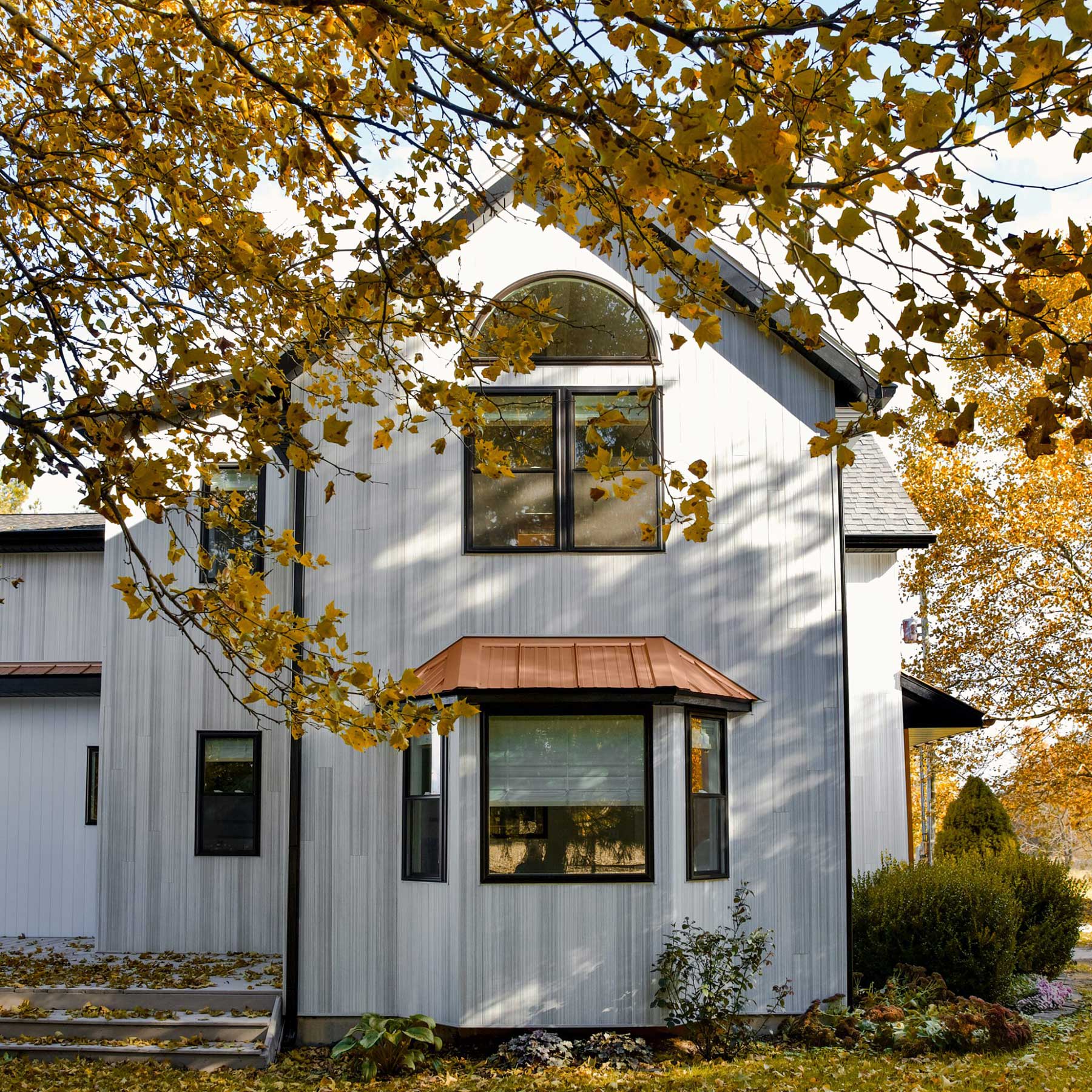
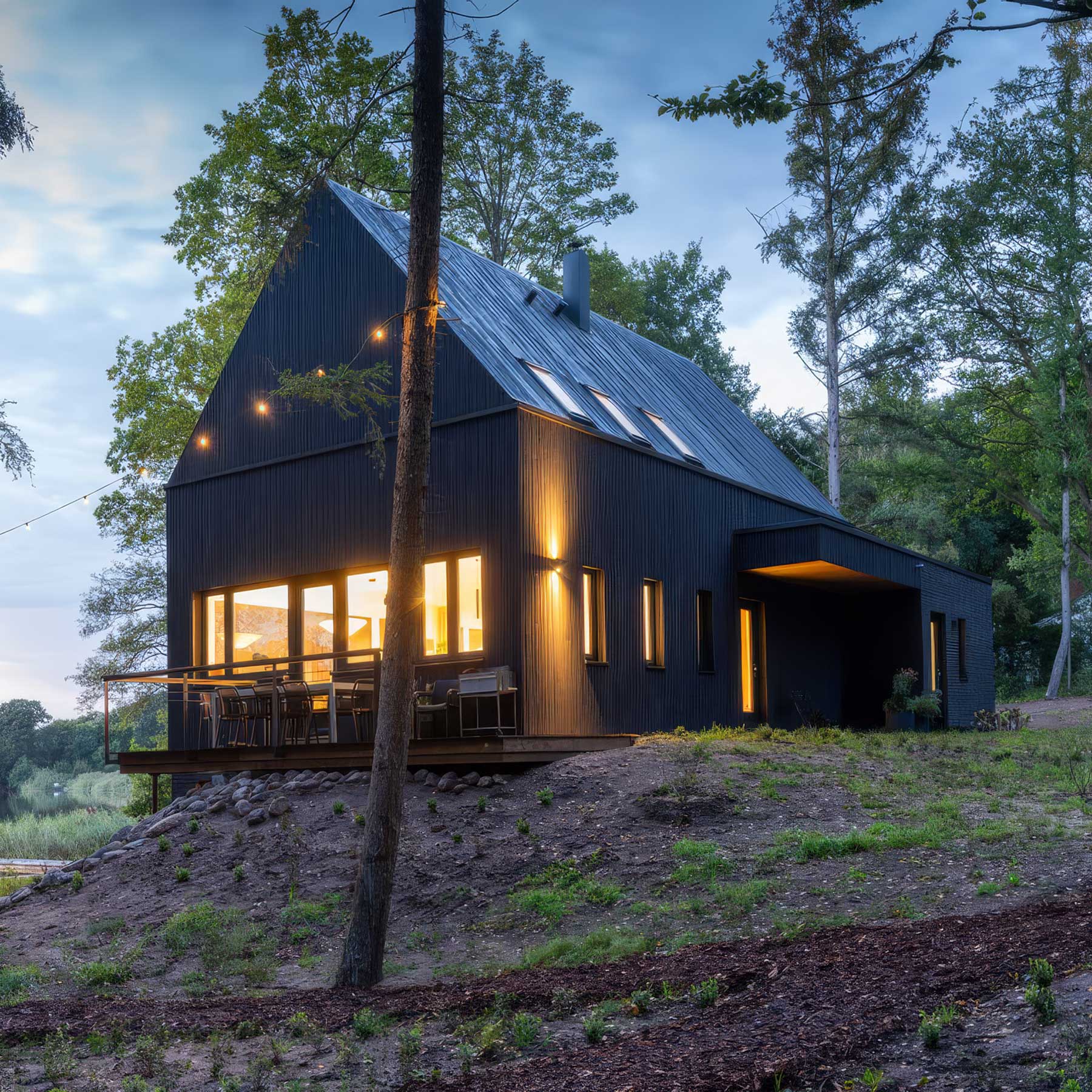
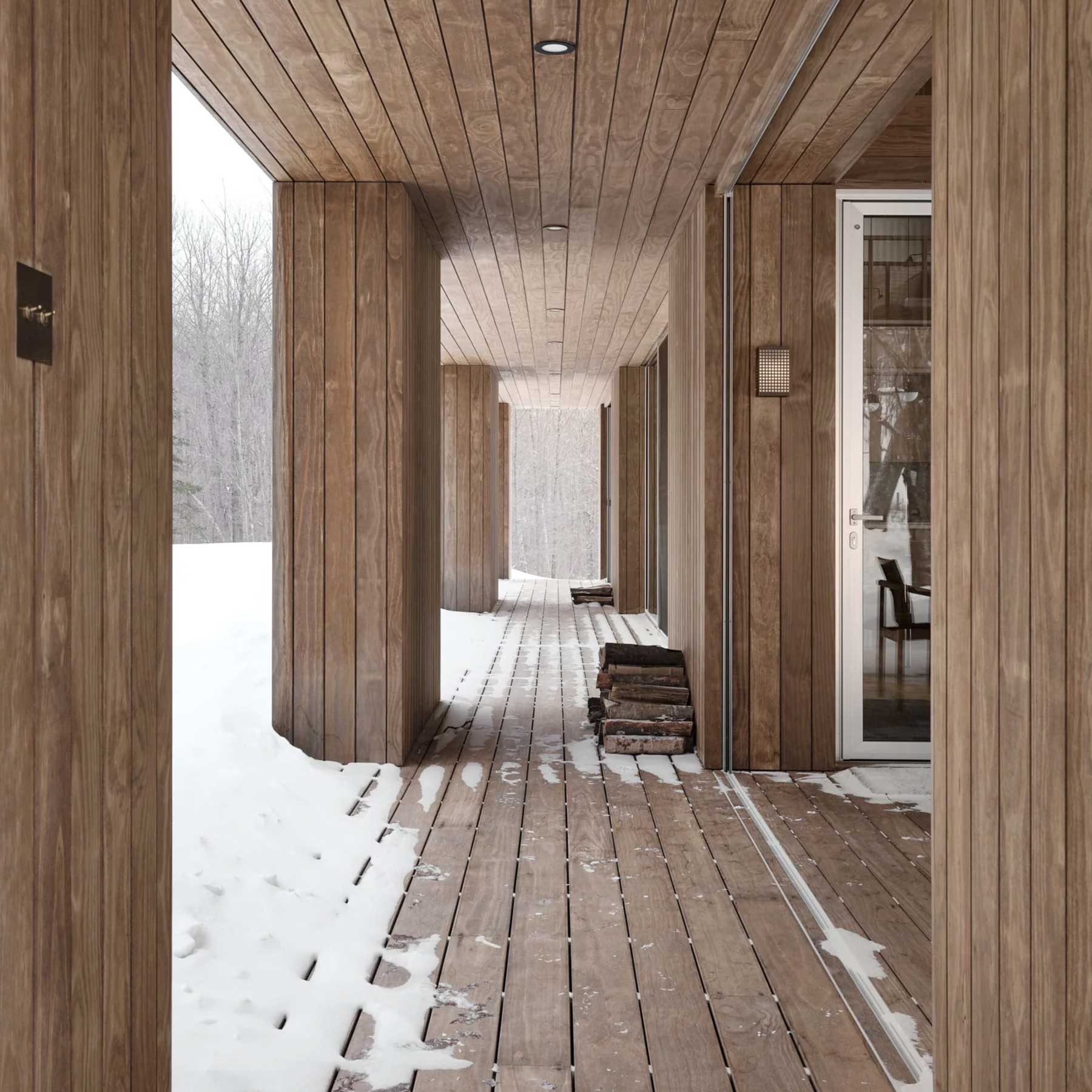
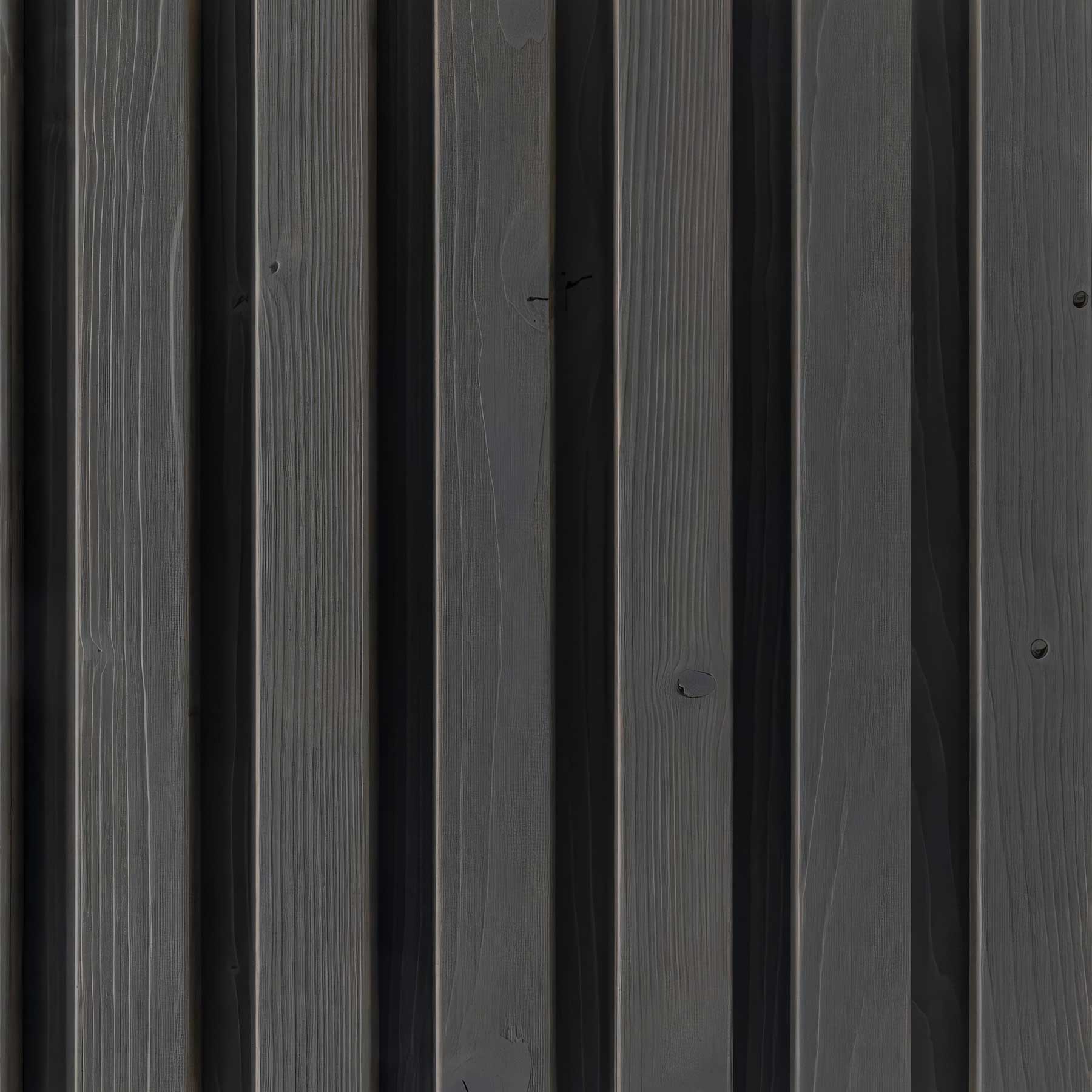
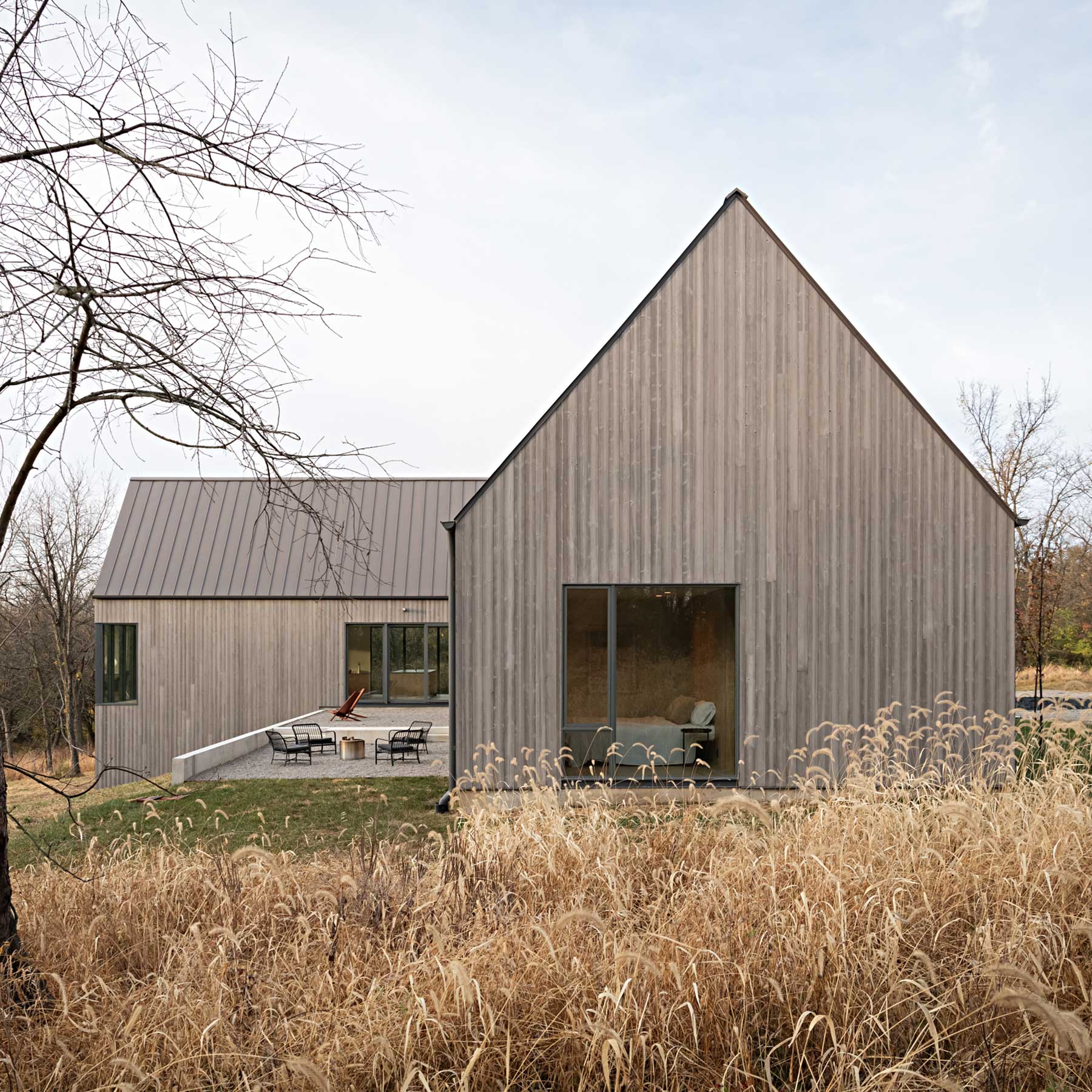
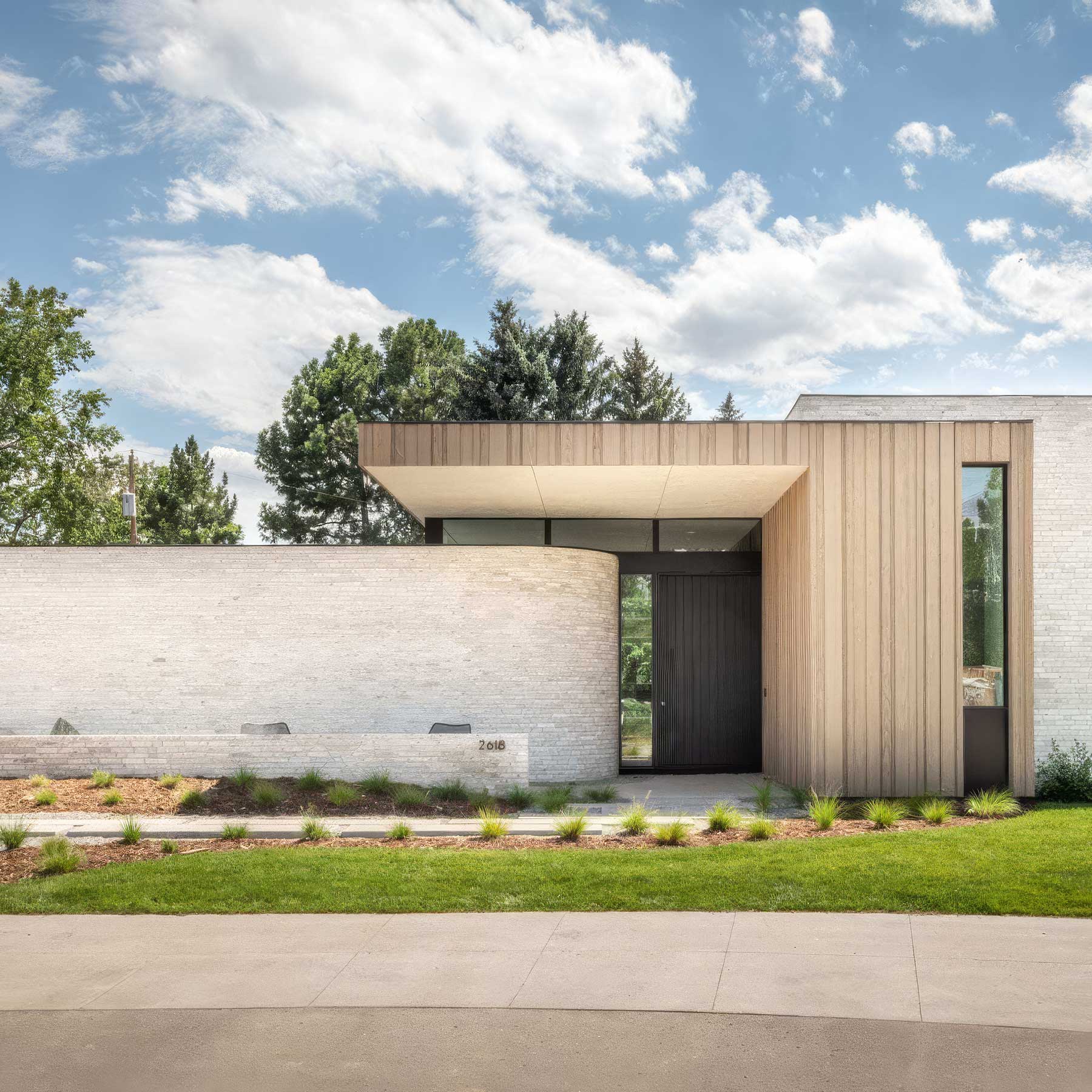
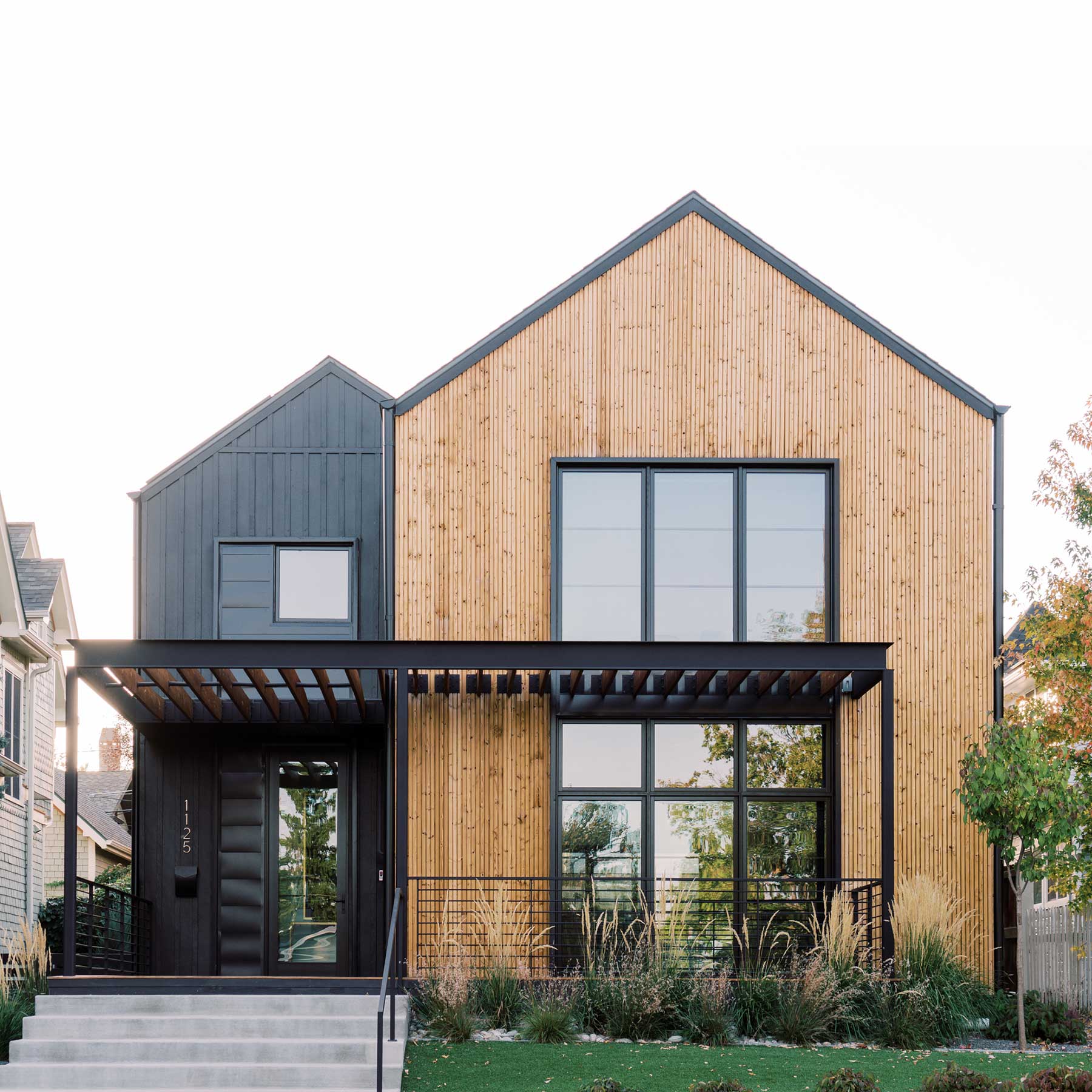
Best for: Residential projects prioritizing warmth, texture, and natural material expression while improving durability over conventional wood cladding.
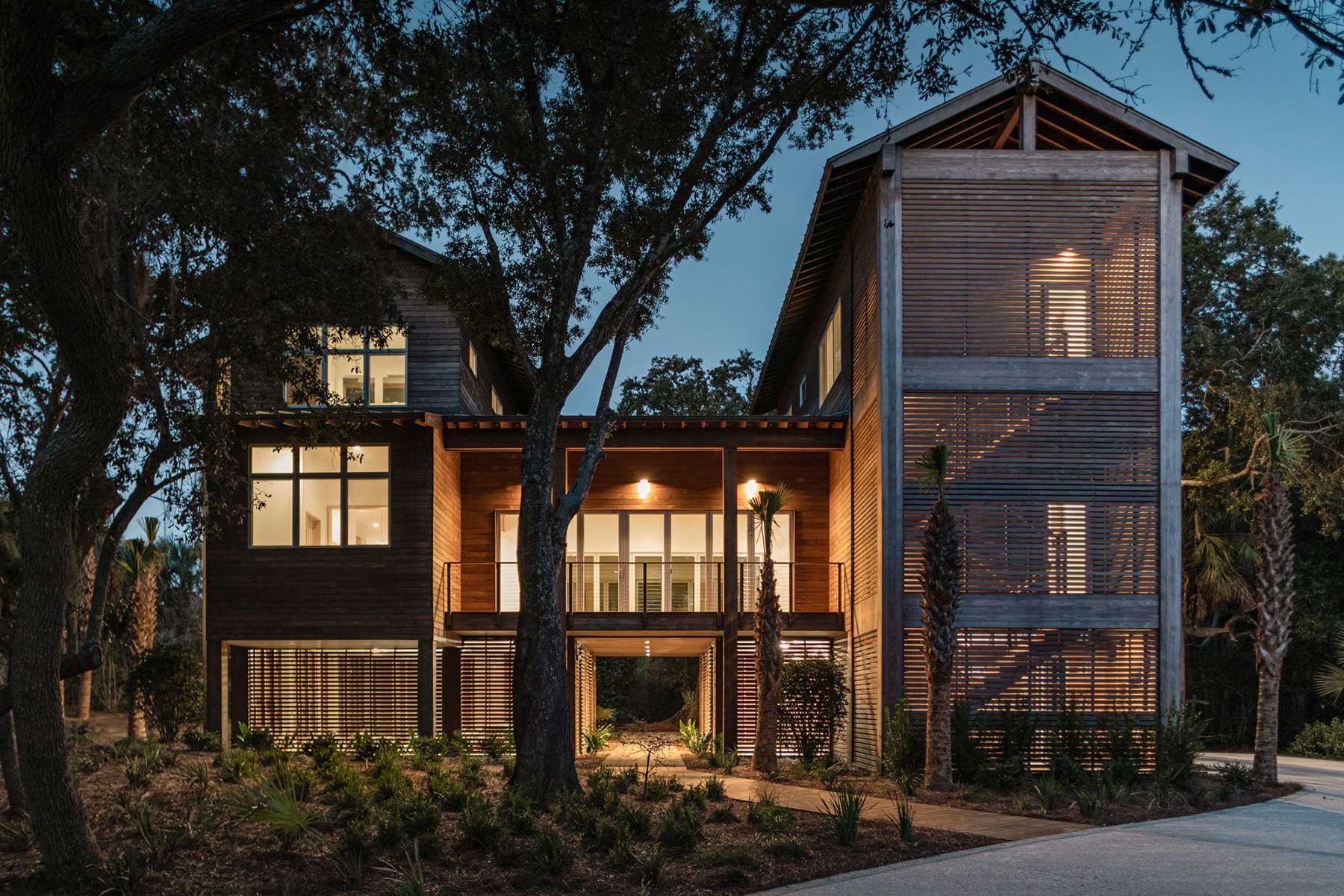
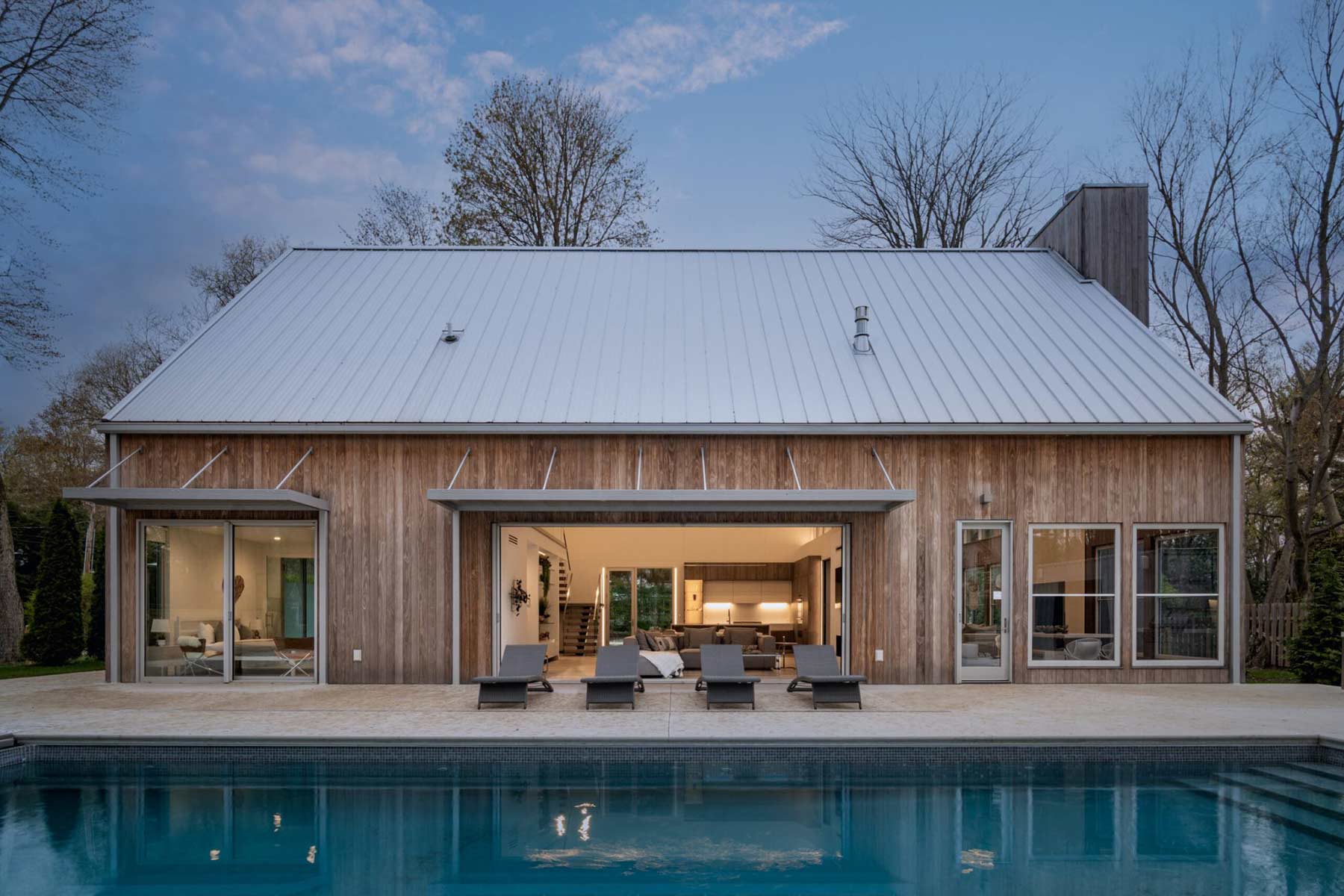
Kebony
Vestfold og Telemark, Norway
Performance considerations:
Frequently used in rainscreen assemblies where natural weathering and reduced lifecycle maintenance are priorities.
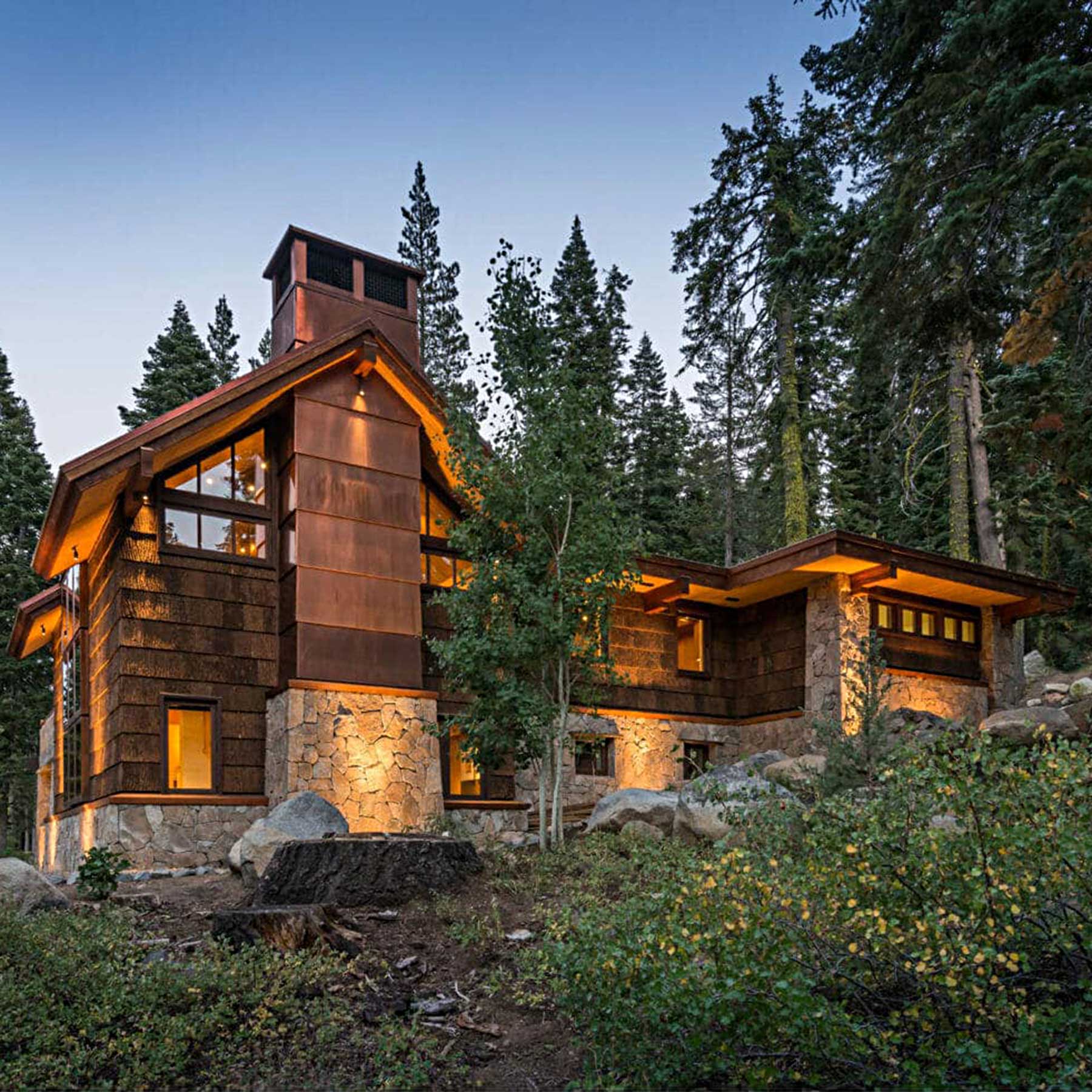
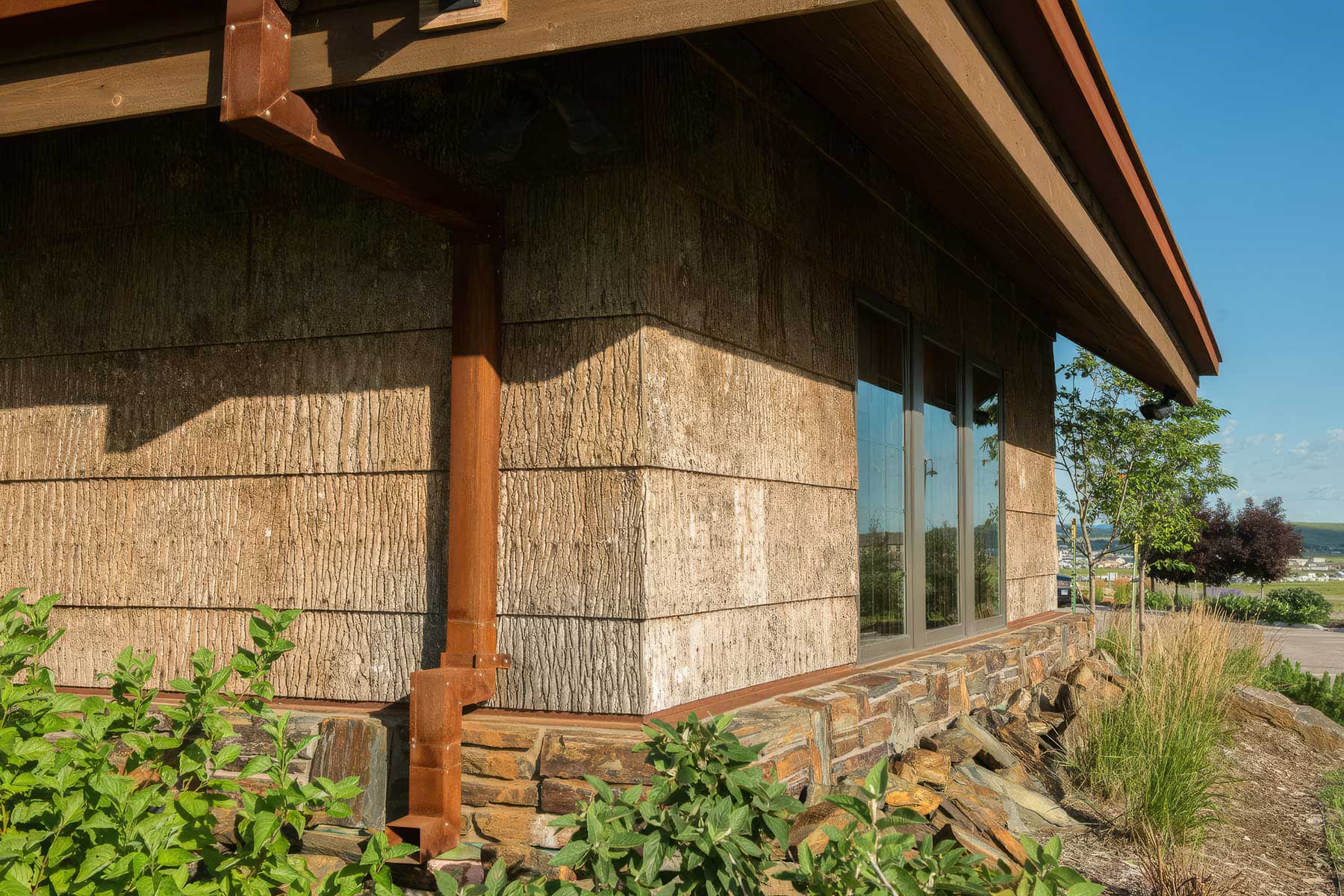
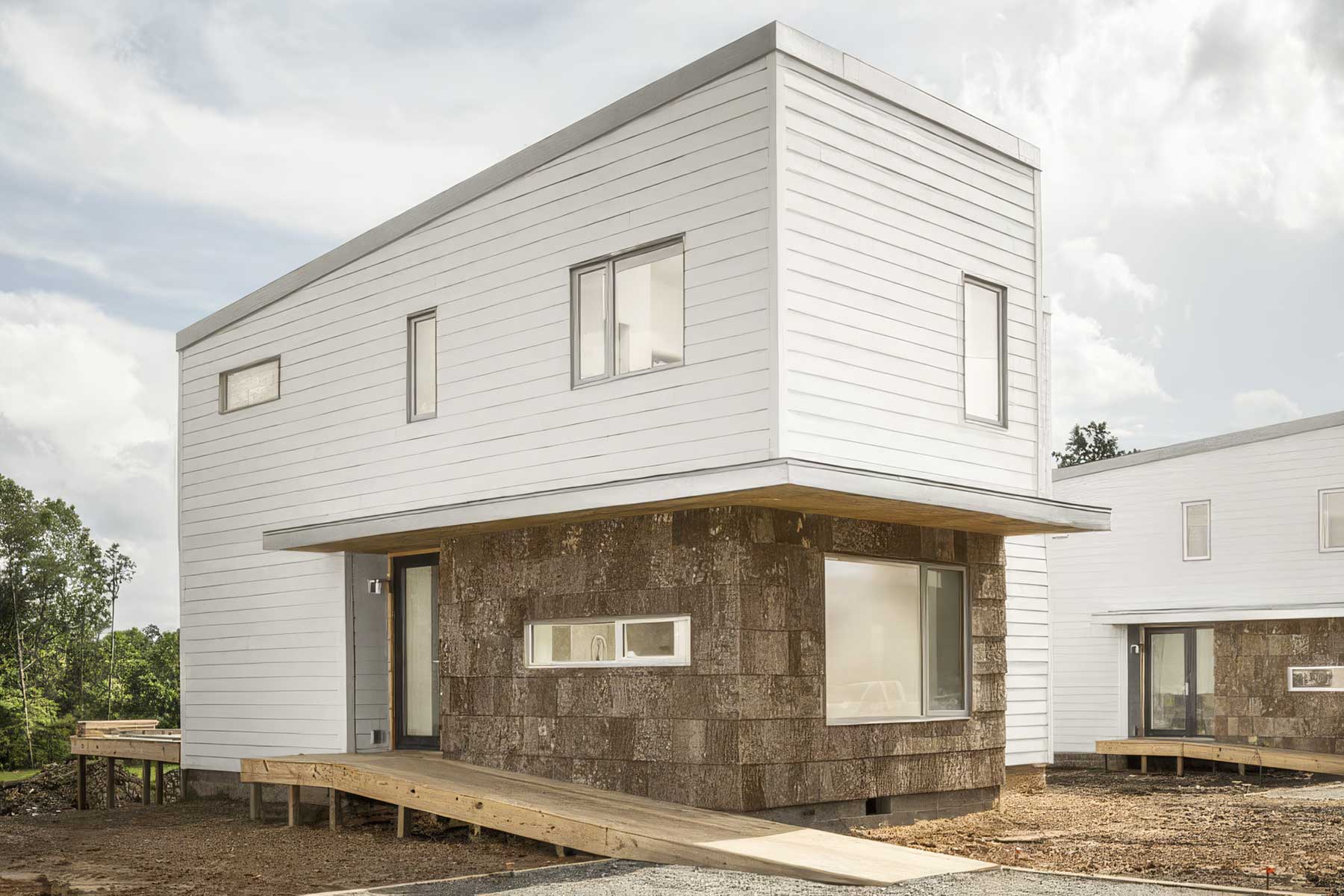
Bark House
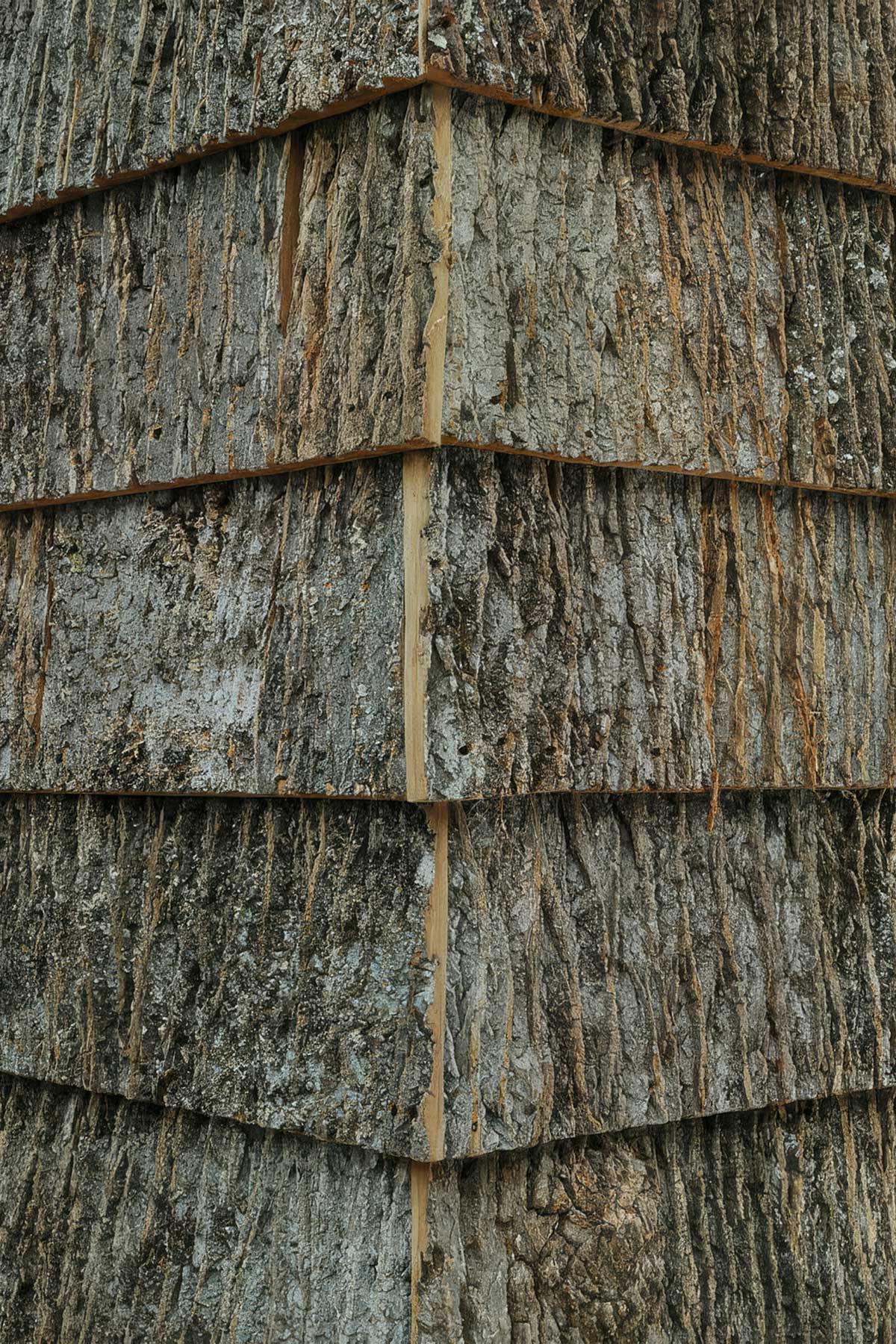
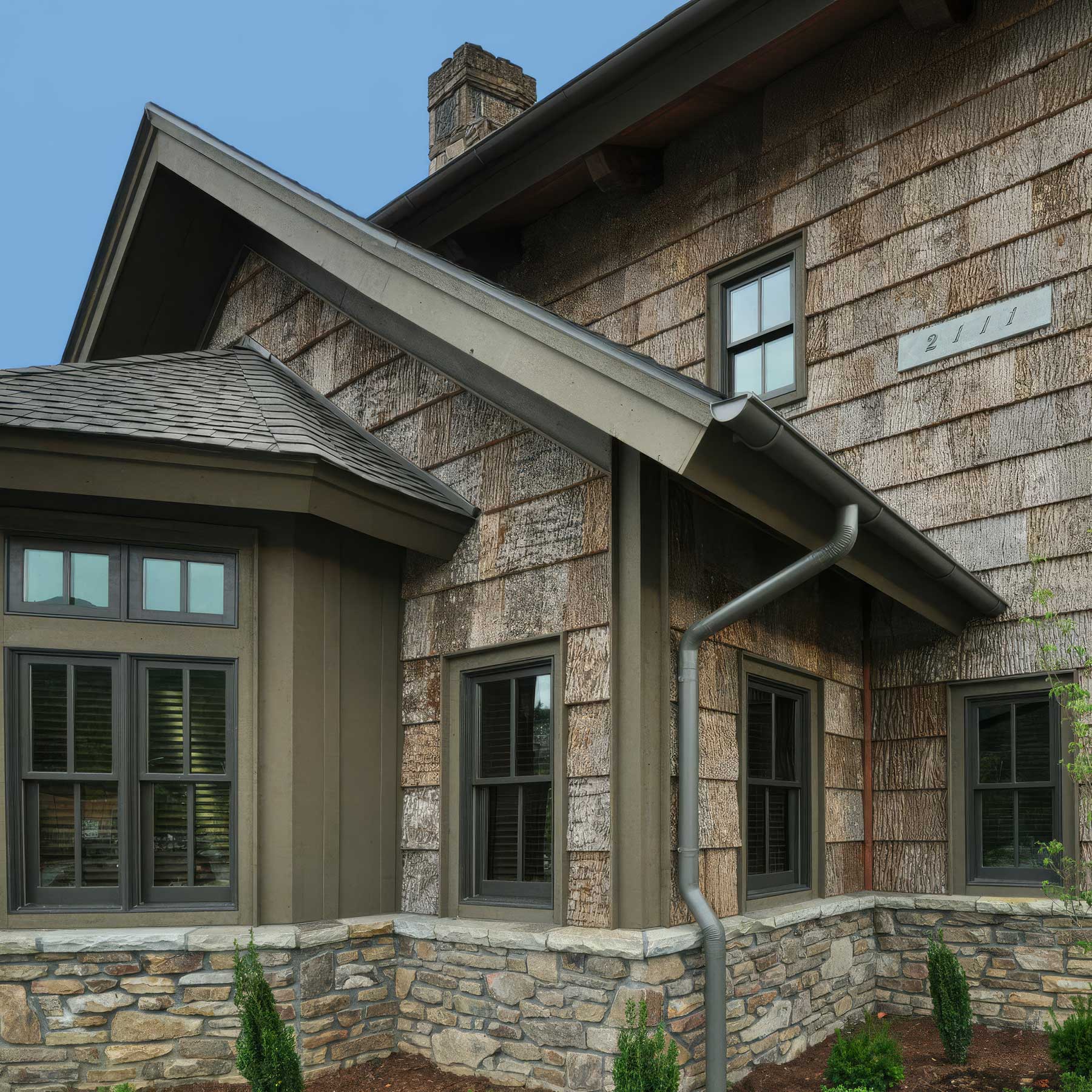
Spruce Pine, North Carolina
Performance considerations:
Installation detailing and environmental exposure planning are especially important due to the natural material characteristics.
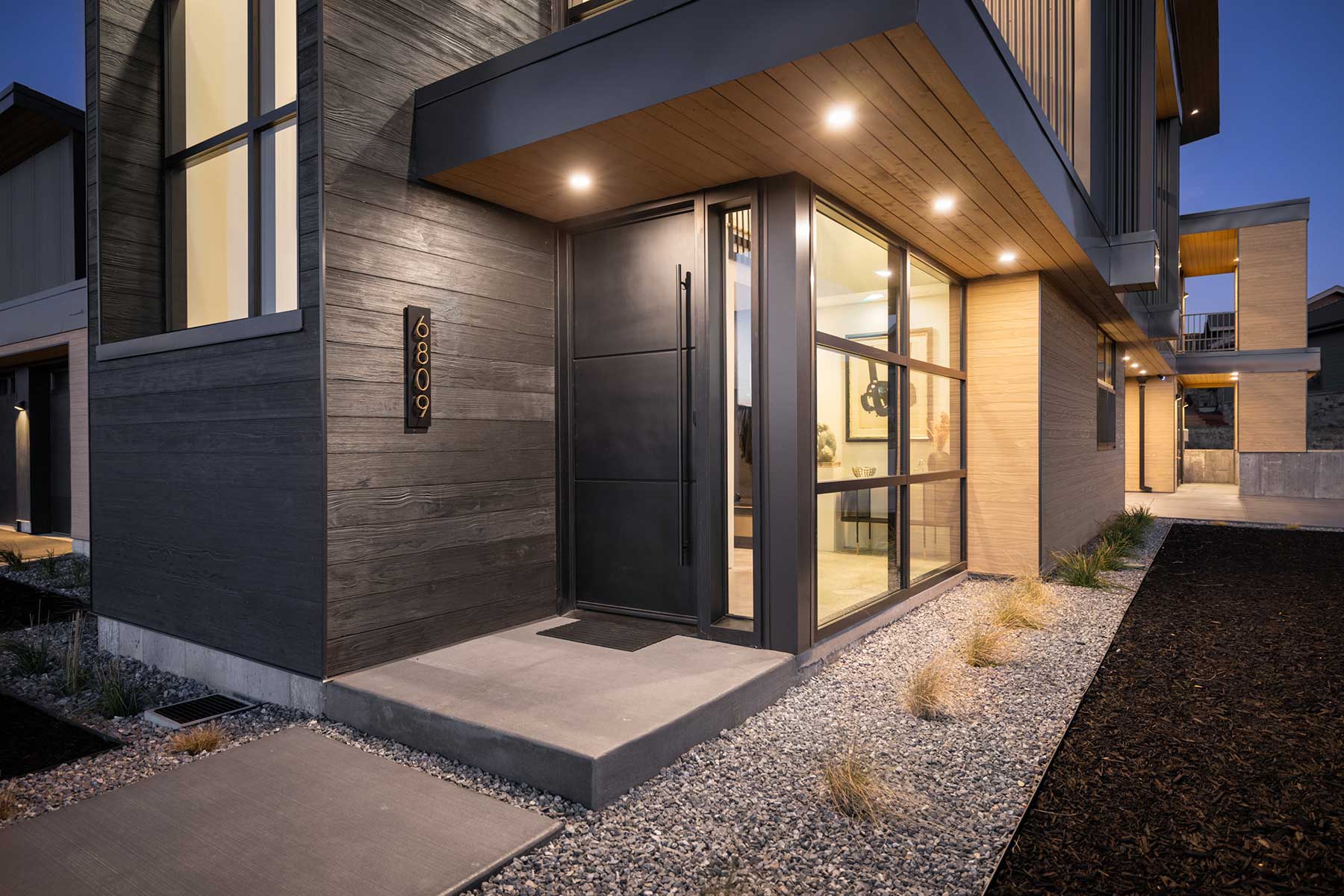
Delta Millworks
Austin, Texas
Performance considerations:
Finish consistency and long-term weathering expectations should be discussed early during specification.
Engineered Wood-Look Alternatives
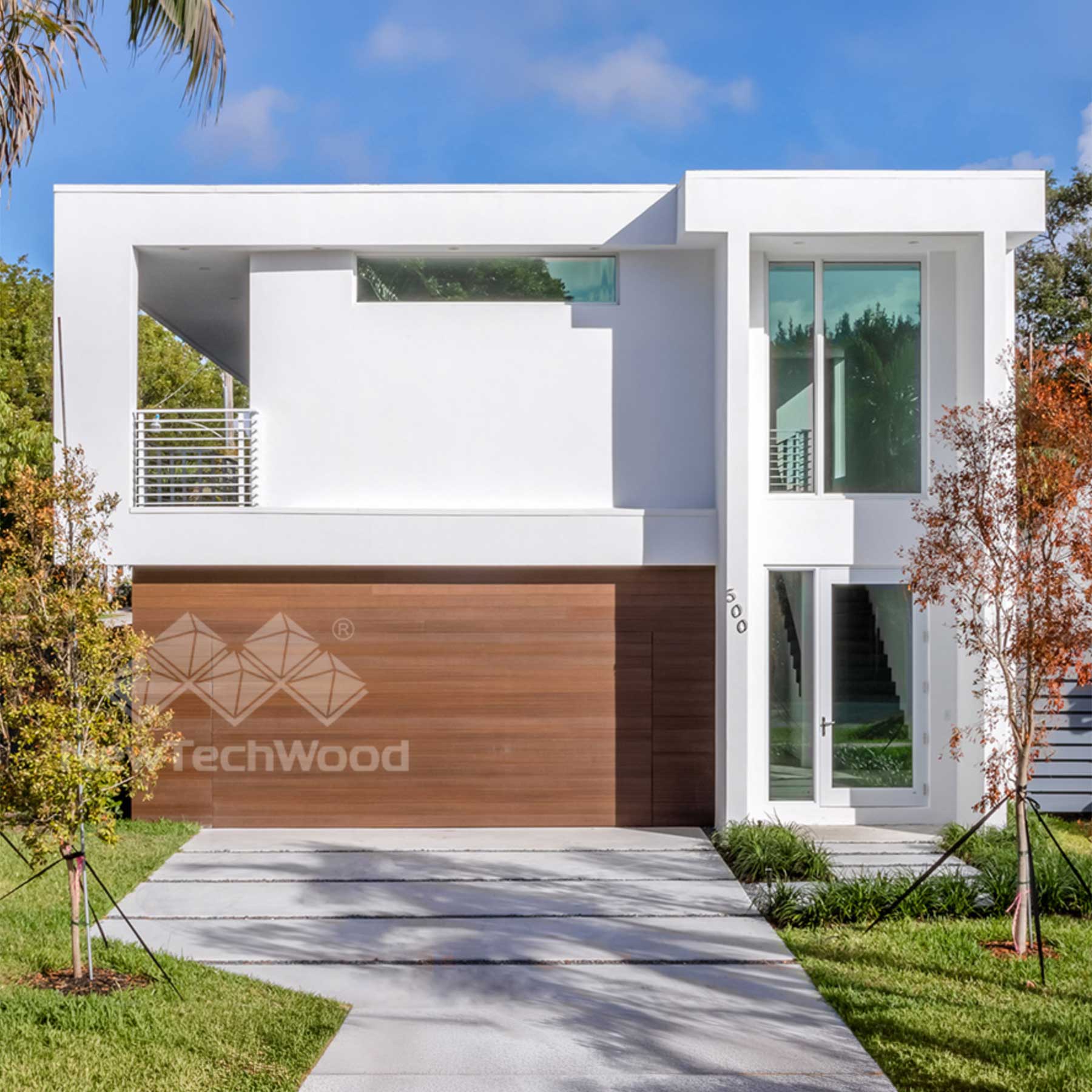
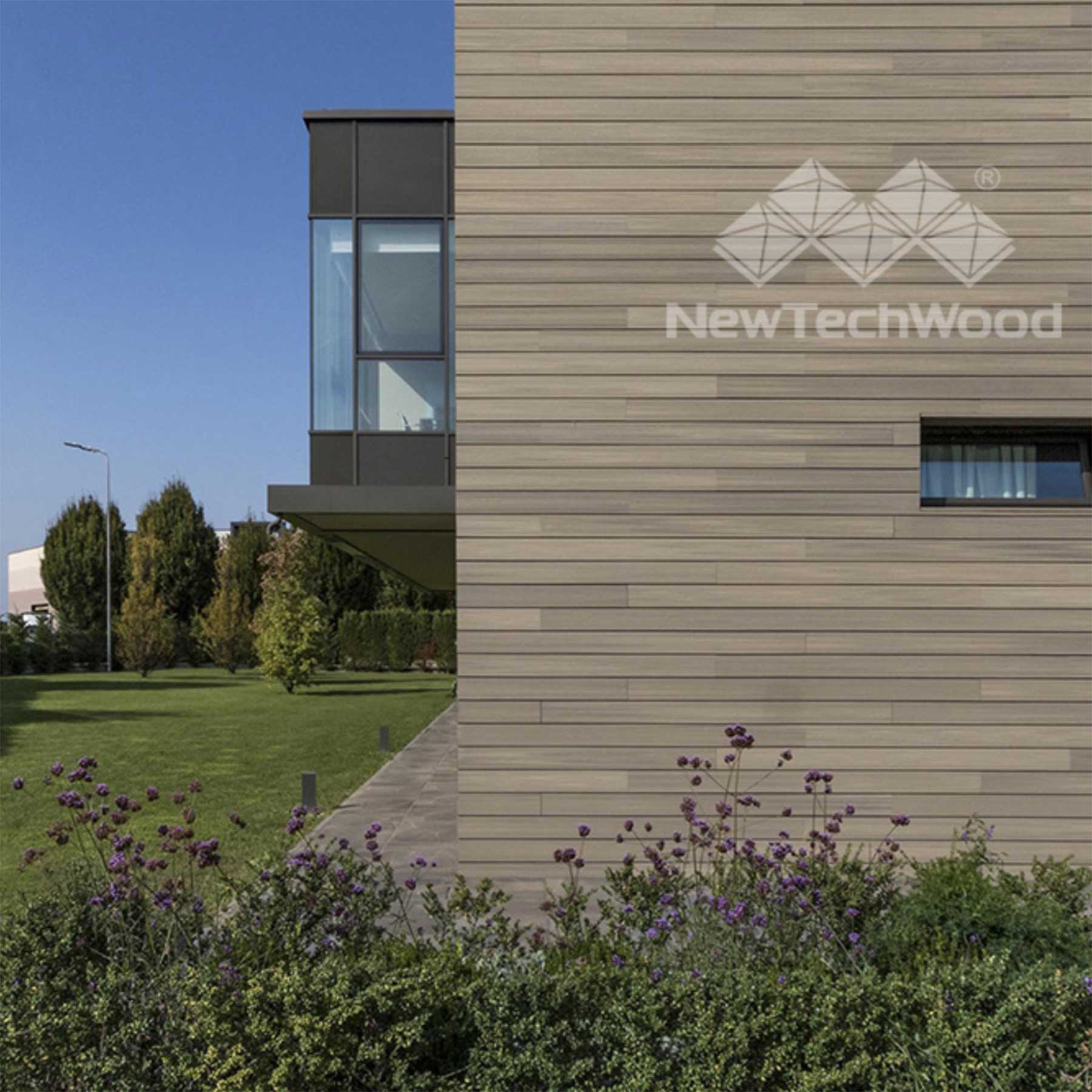
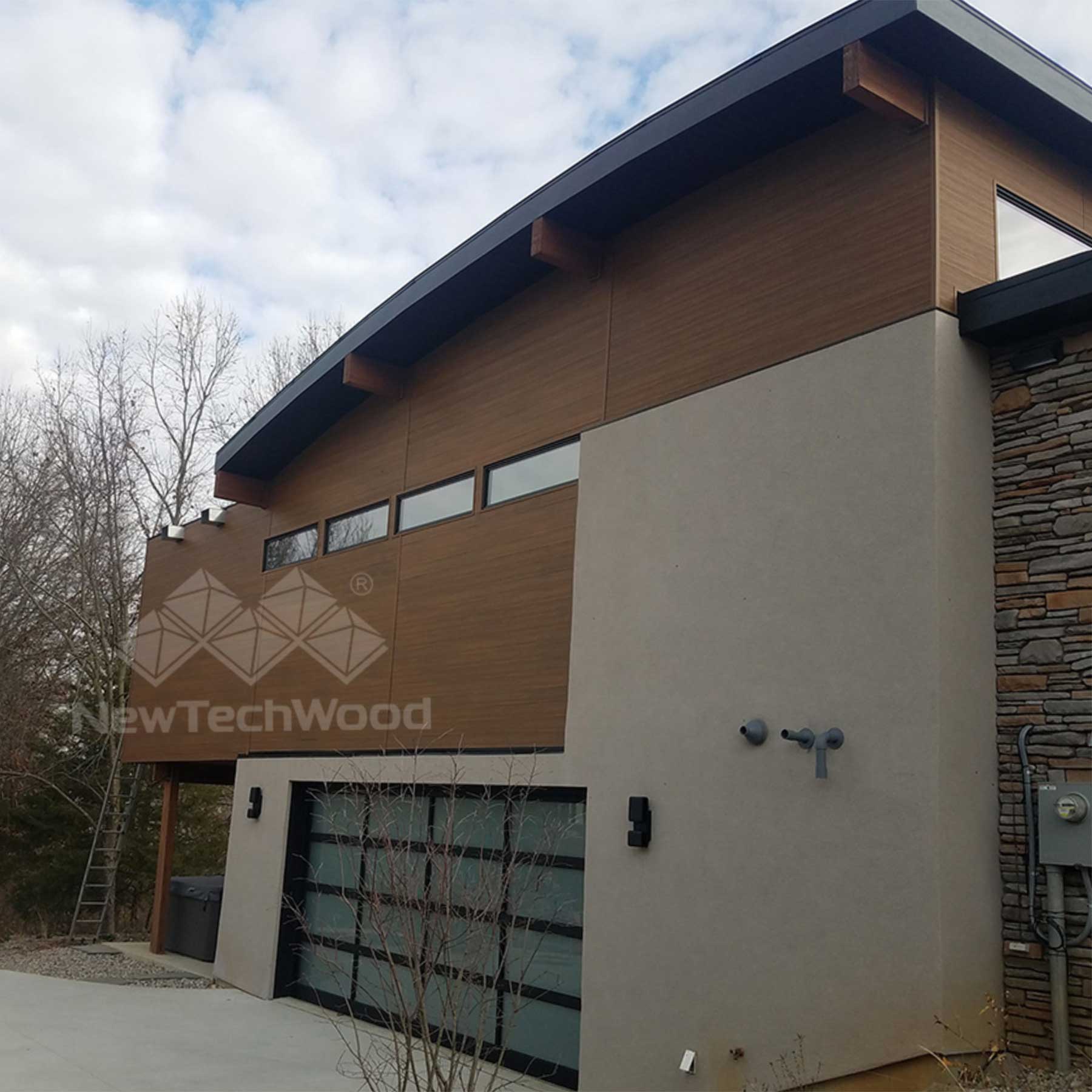
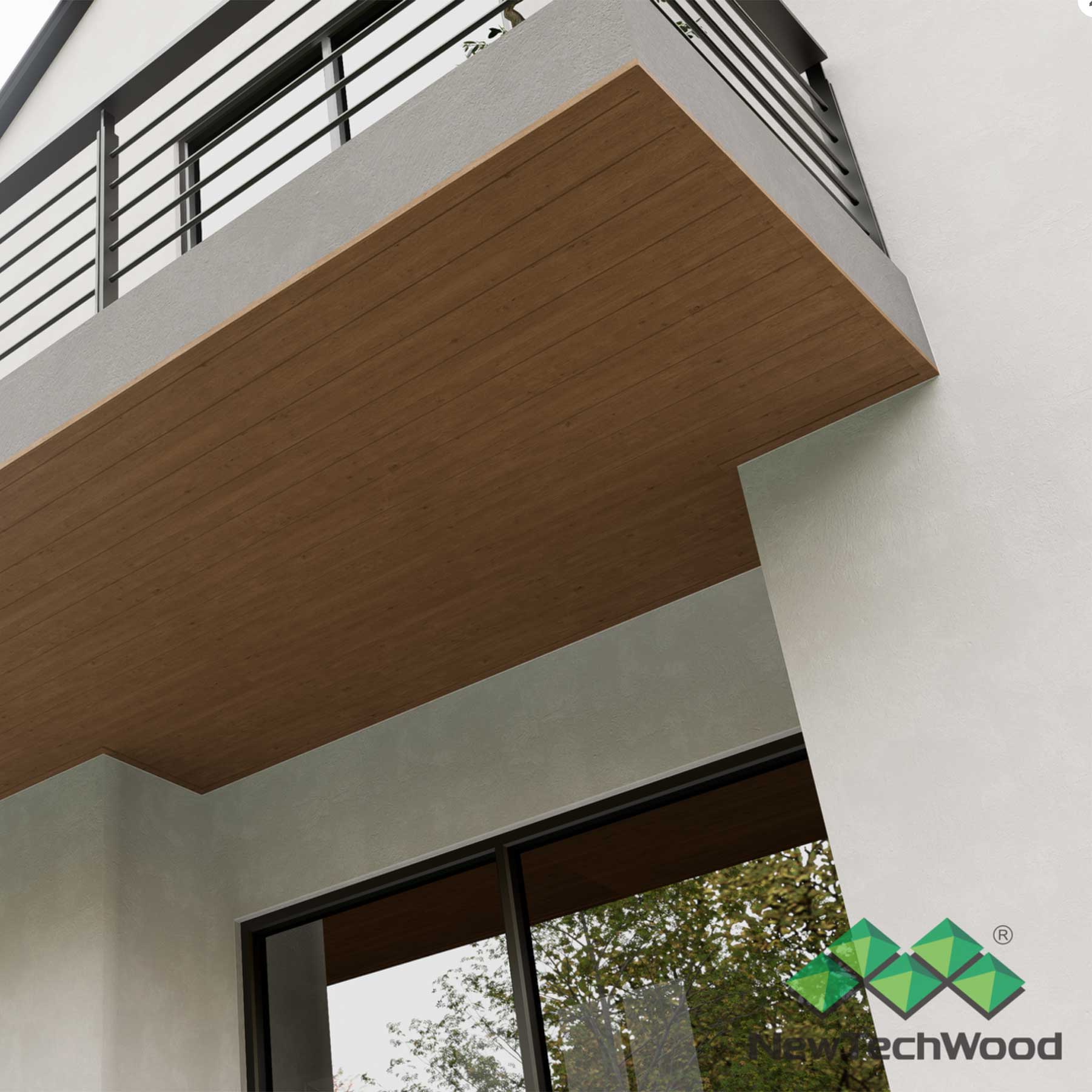
Best for: Projects seeking the warmth of wood without the movement, repaint cycles, or moisture sensitivity associated with traditional wood systems.
NewTechWood
Houston, Texas
Performance considerations:
Expansion and contraction detailing remains important, particularly in climates with wide temperature swings.
Millboard
Minneapolis, Minnesota
Performance considerations:
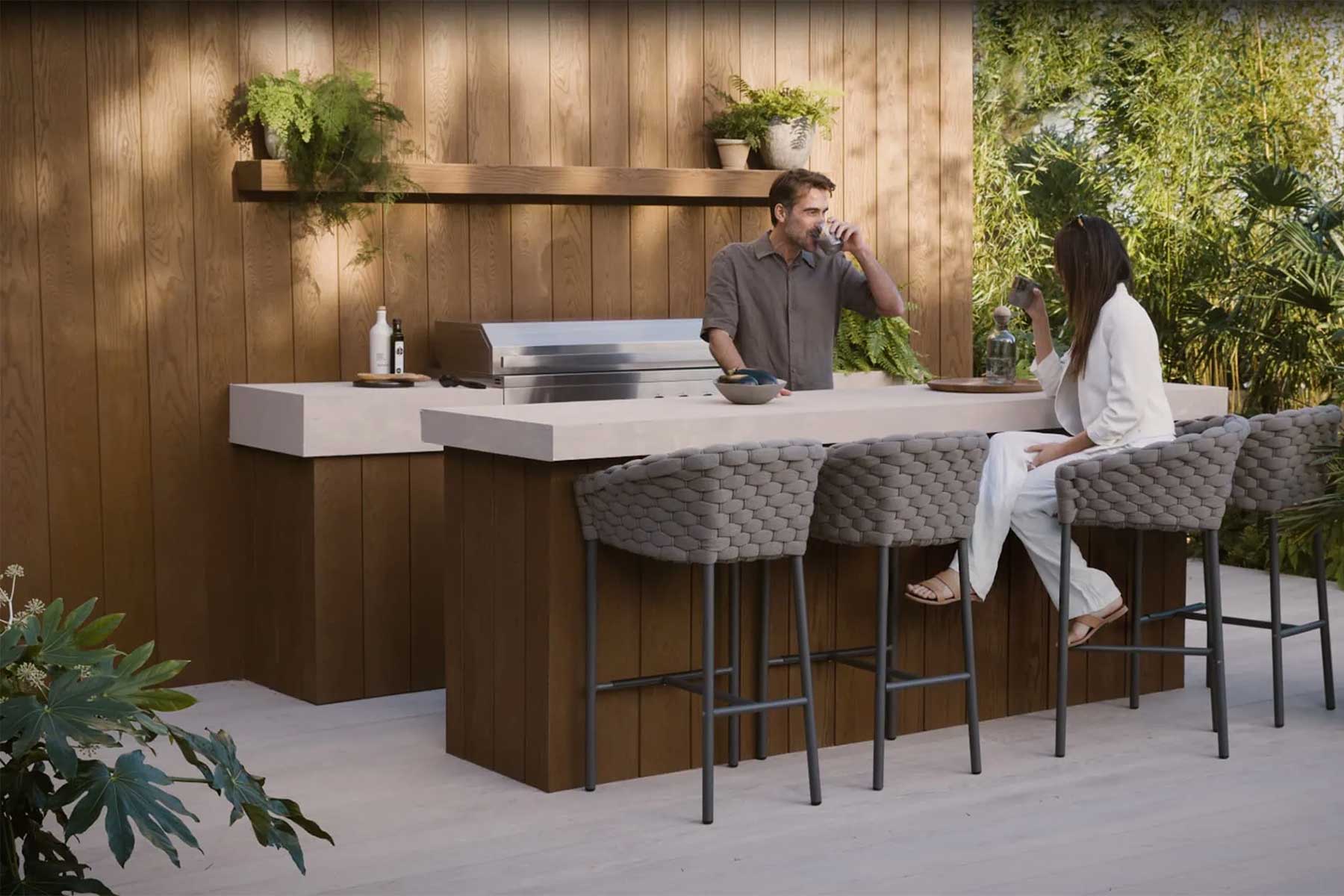
Surface texture and shadow lines can create a more natural appearance than many traditional composite systems.
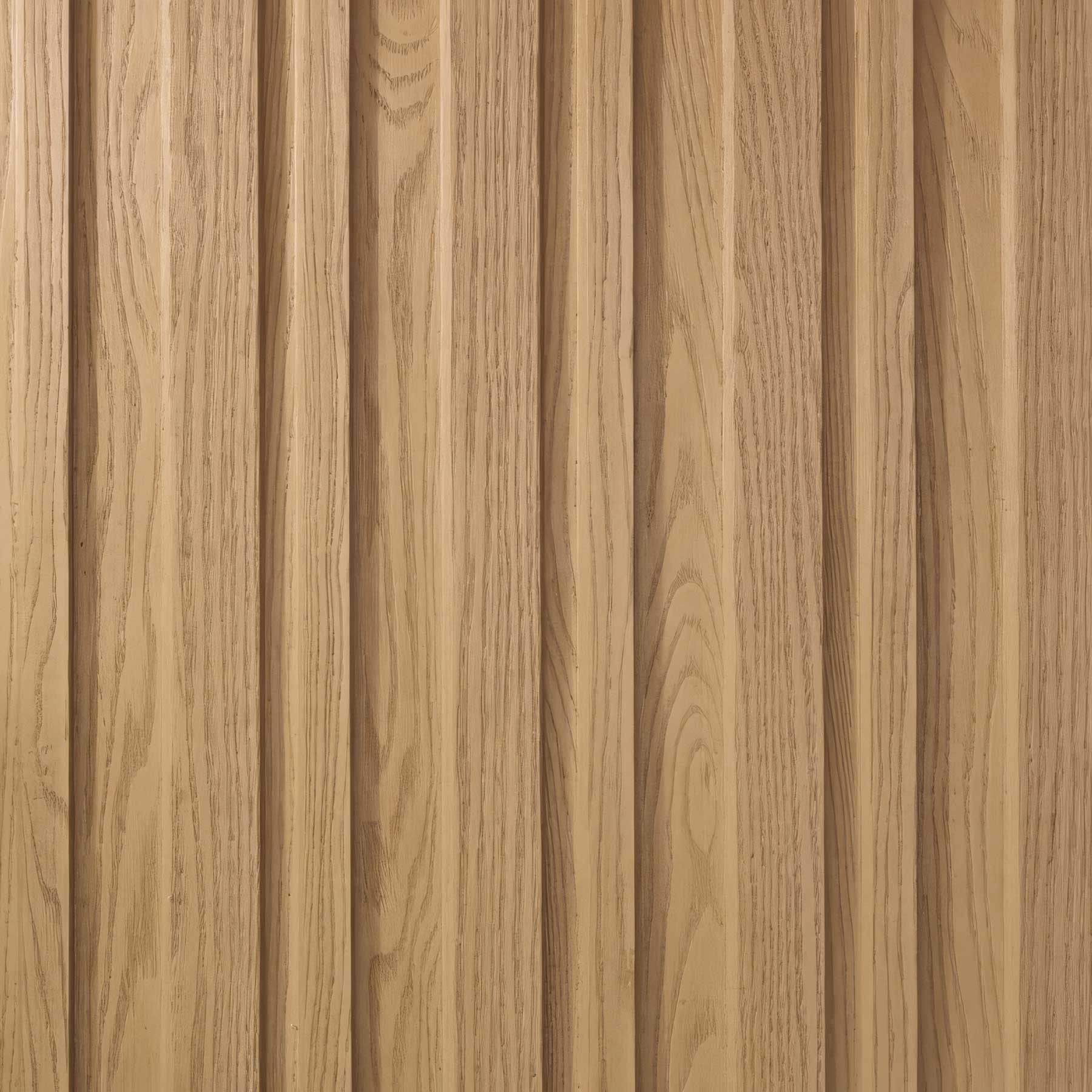
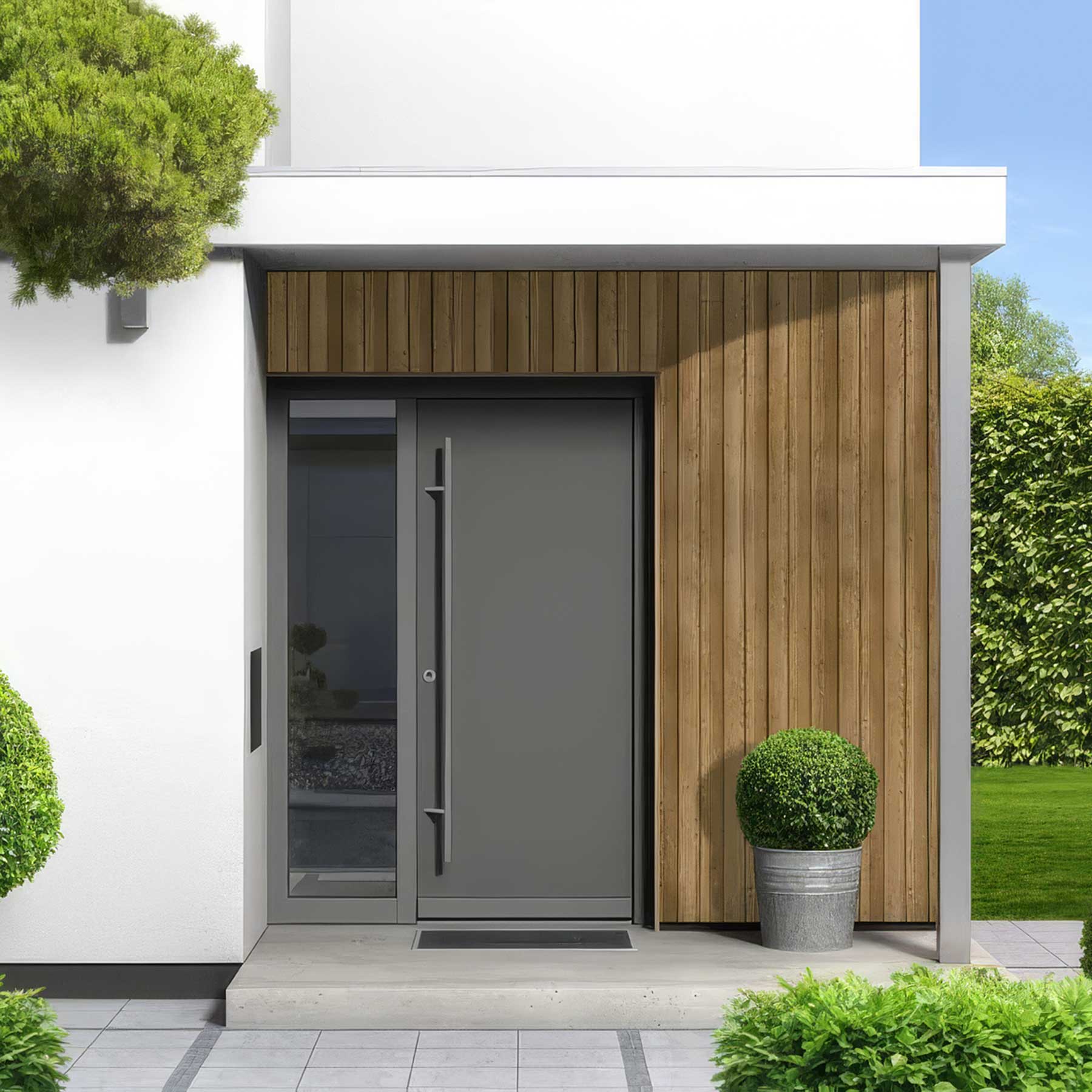
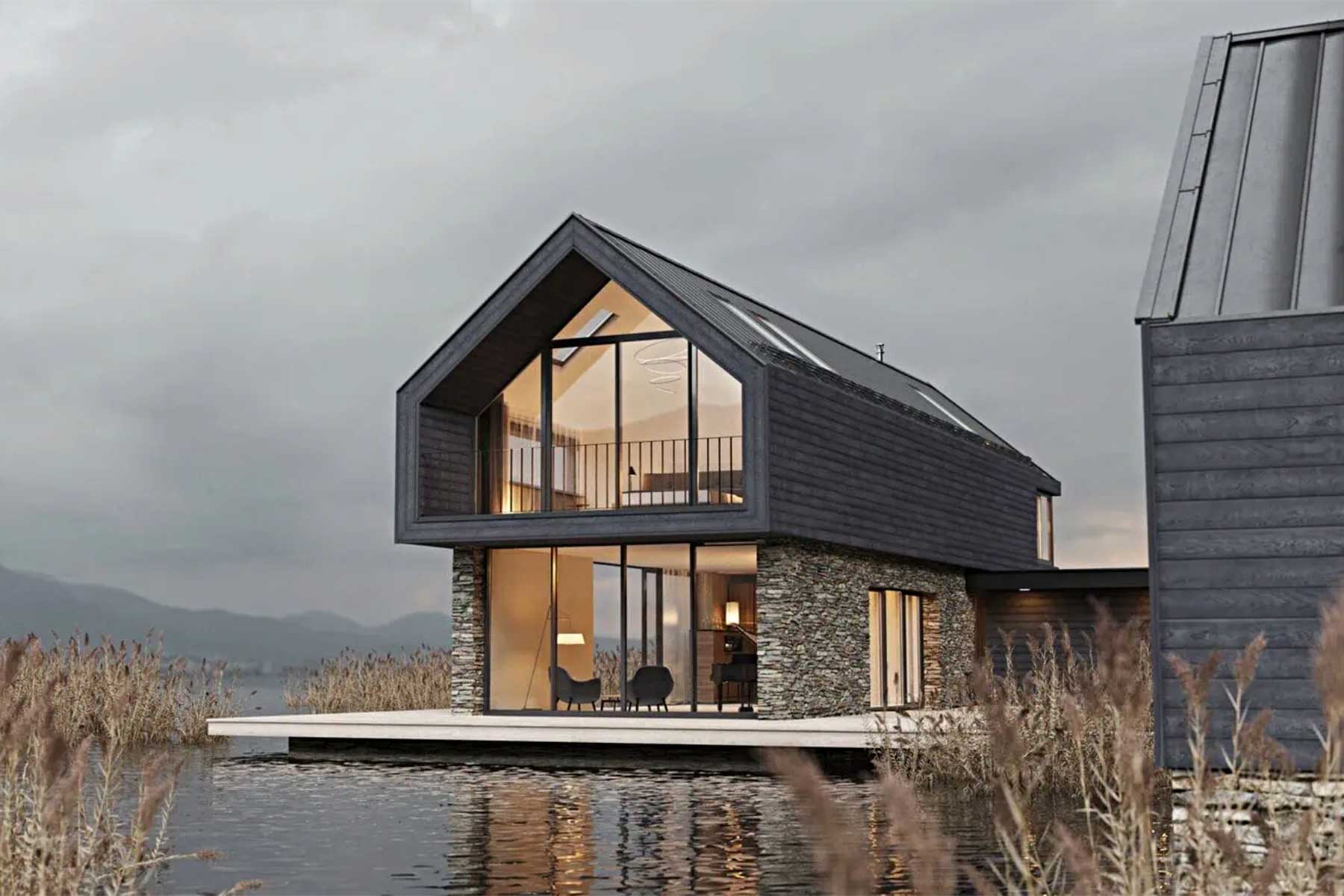
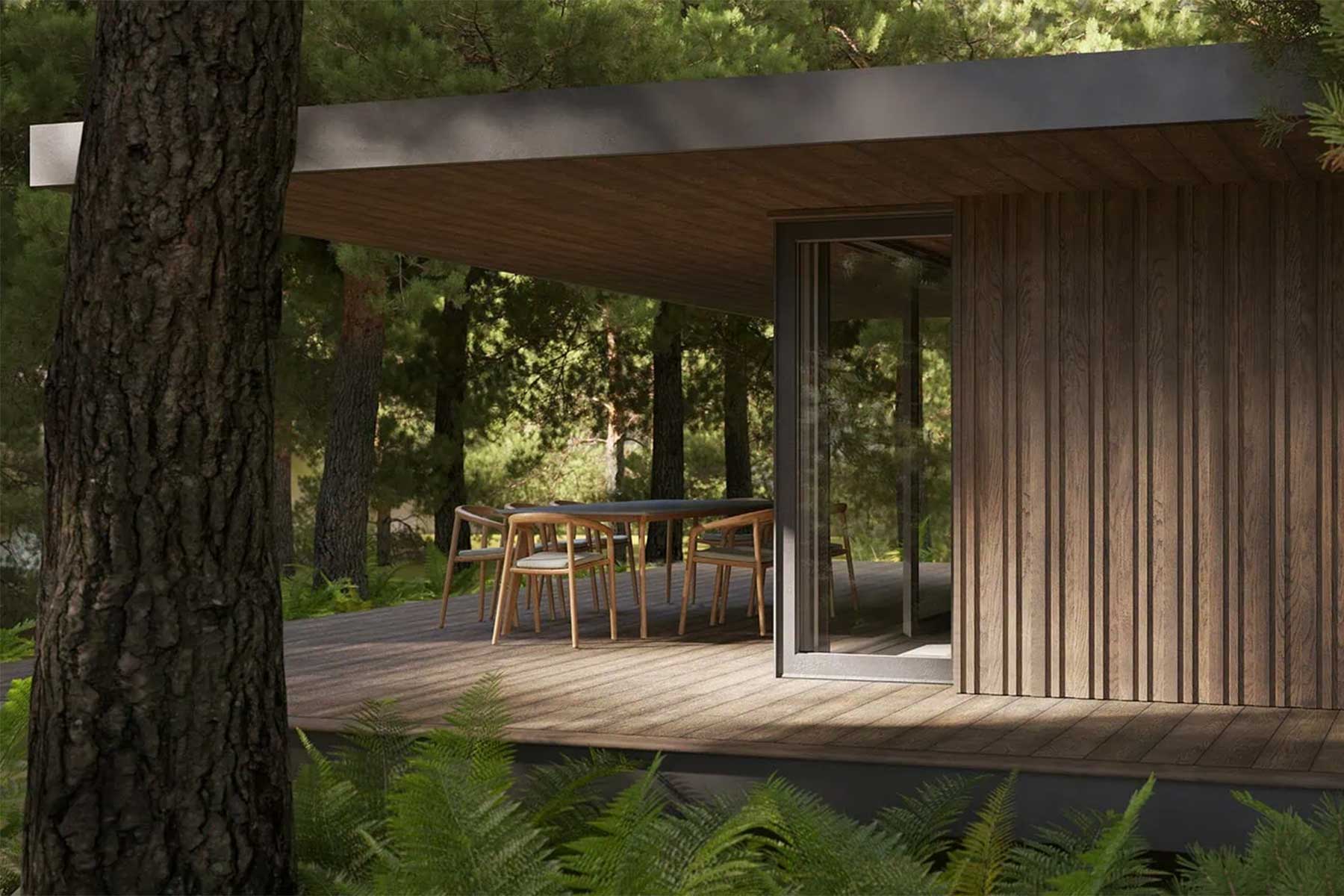
Longboard
Abbotsford, BC
Performance considerations:
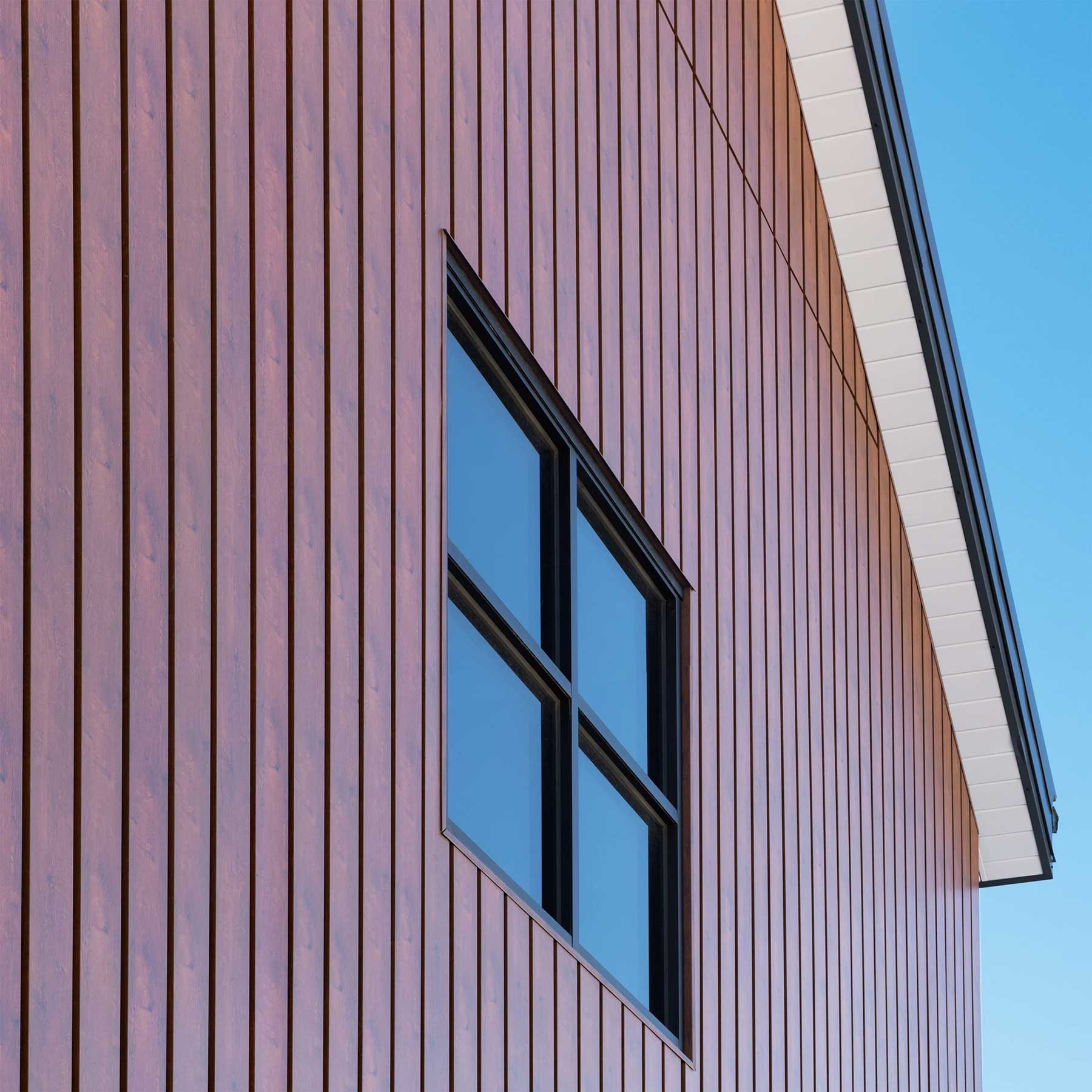
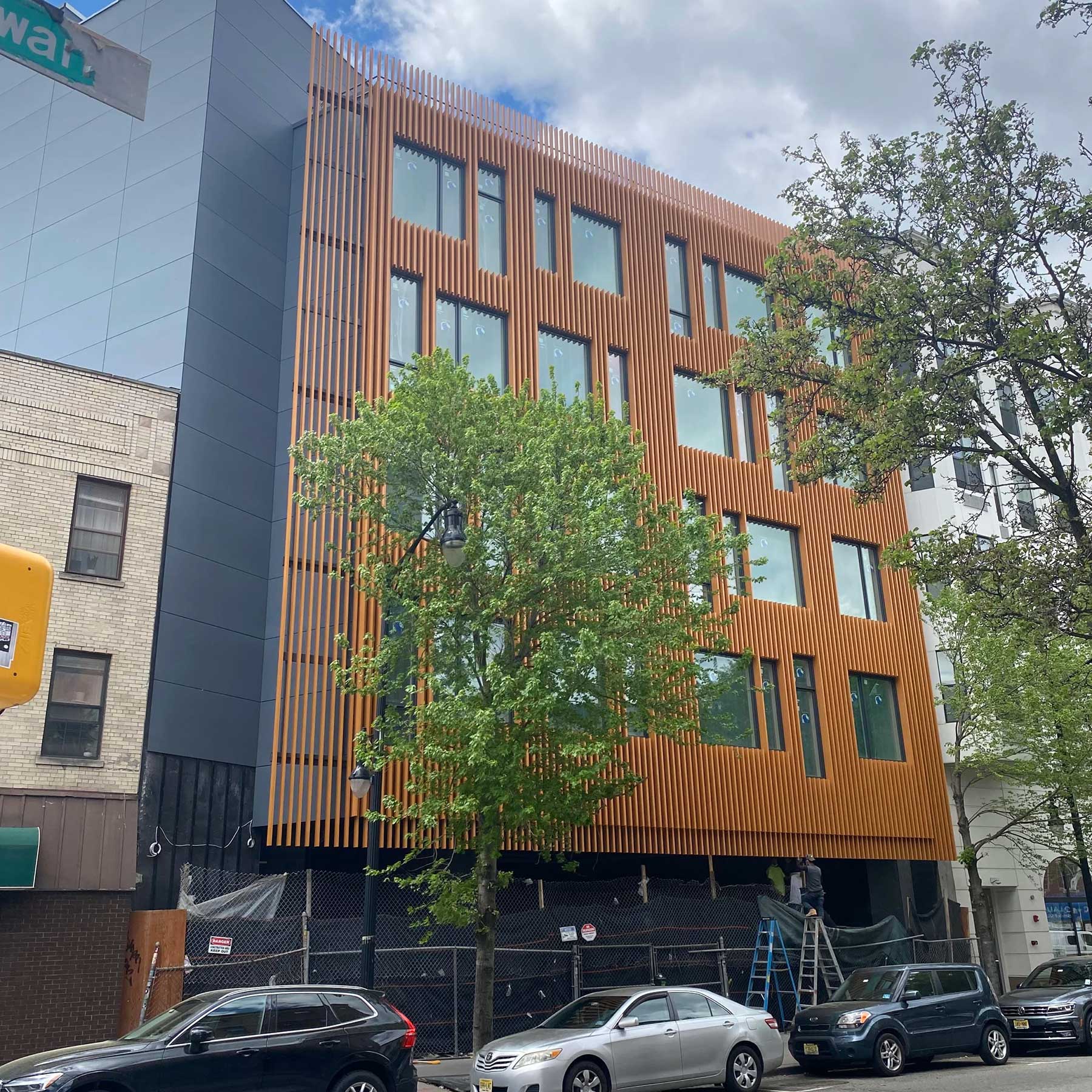
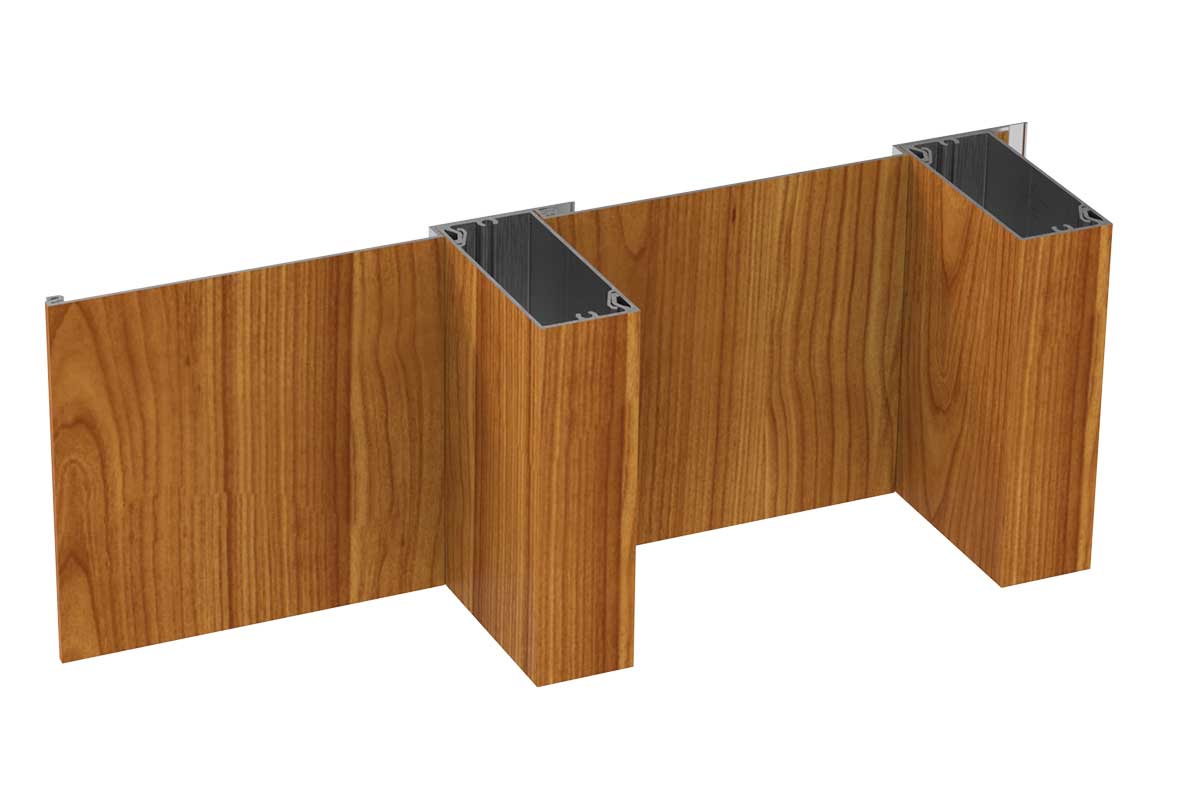
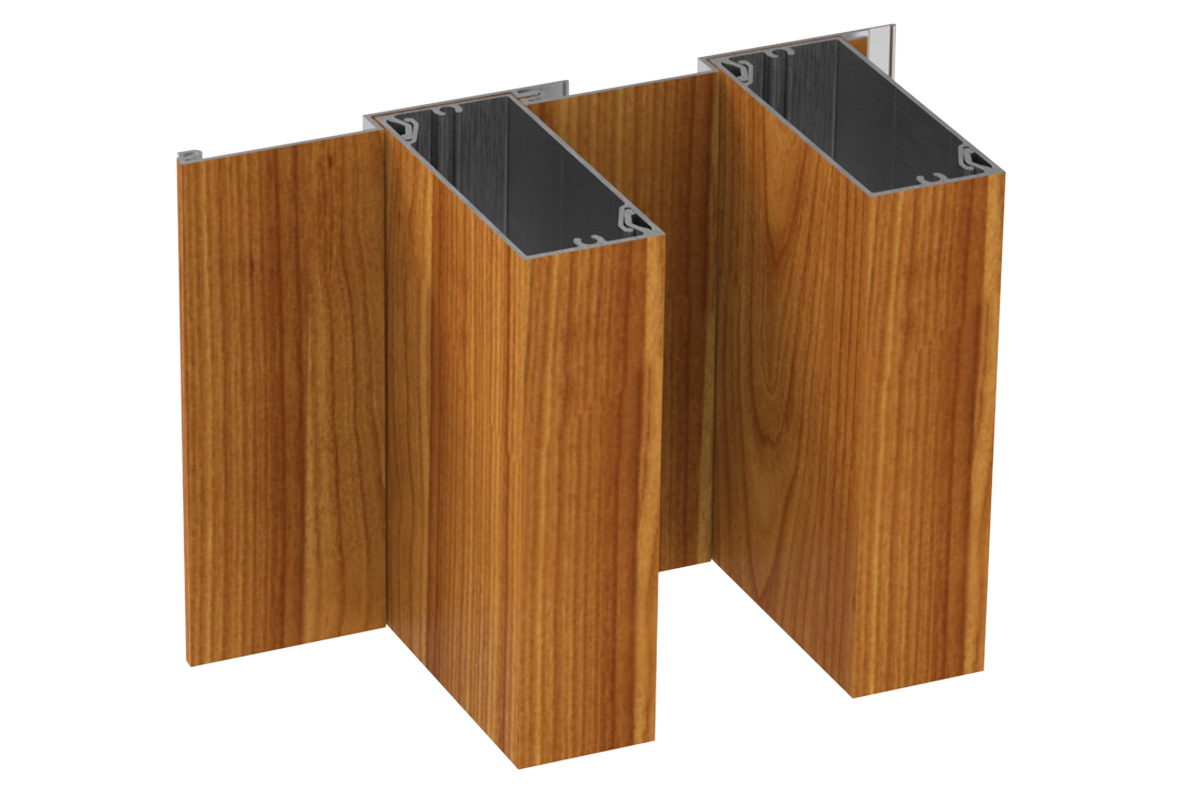
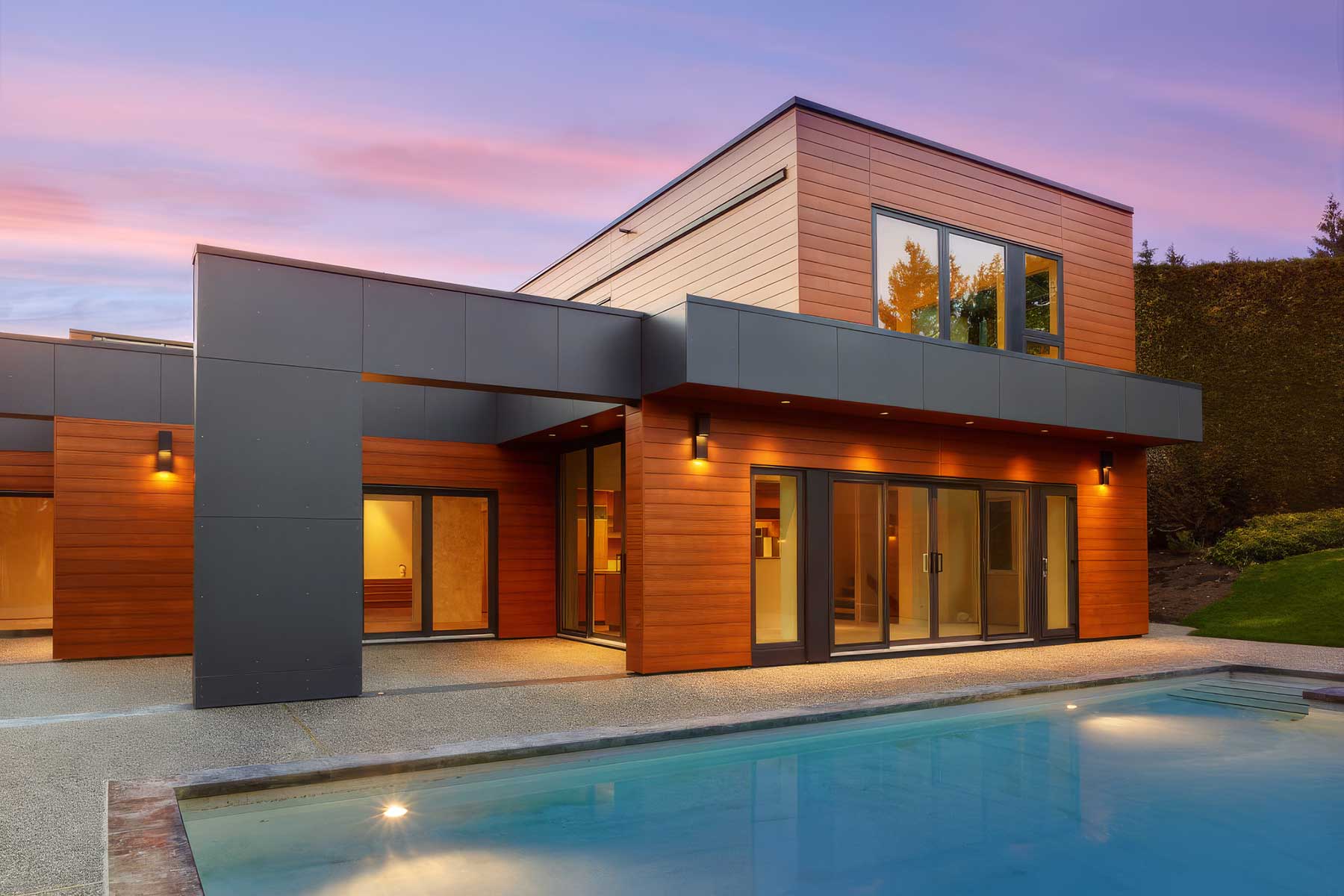
Particularly well-suited for projects prioritizing non-combustible exterior materials without abandoning warmer architectural expression.
Contemporary Metal Cladding Systems
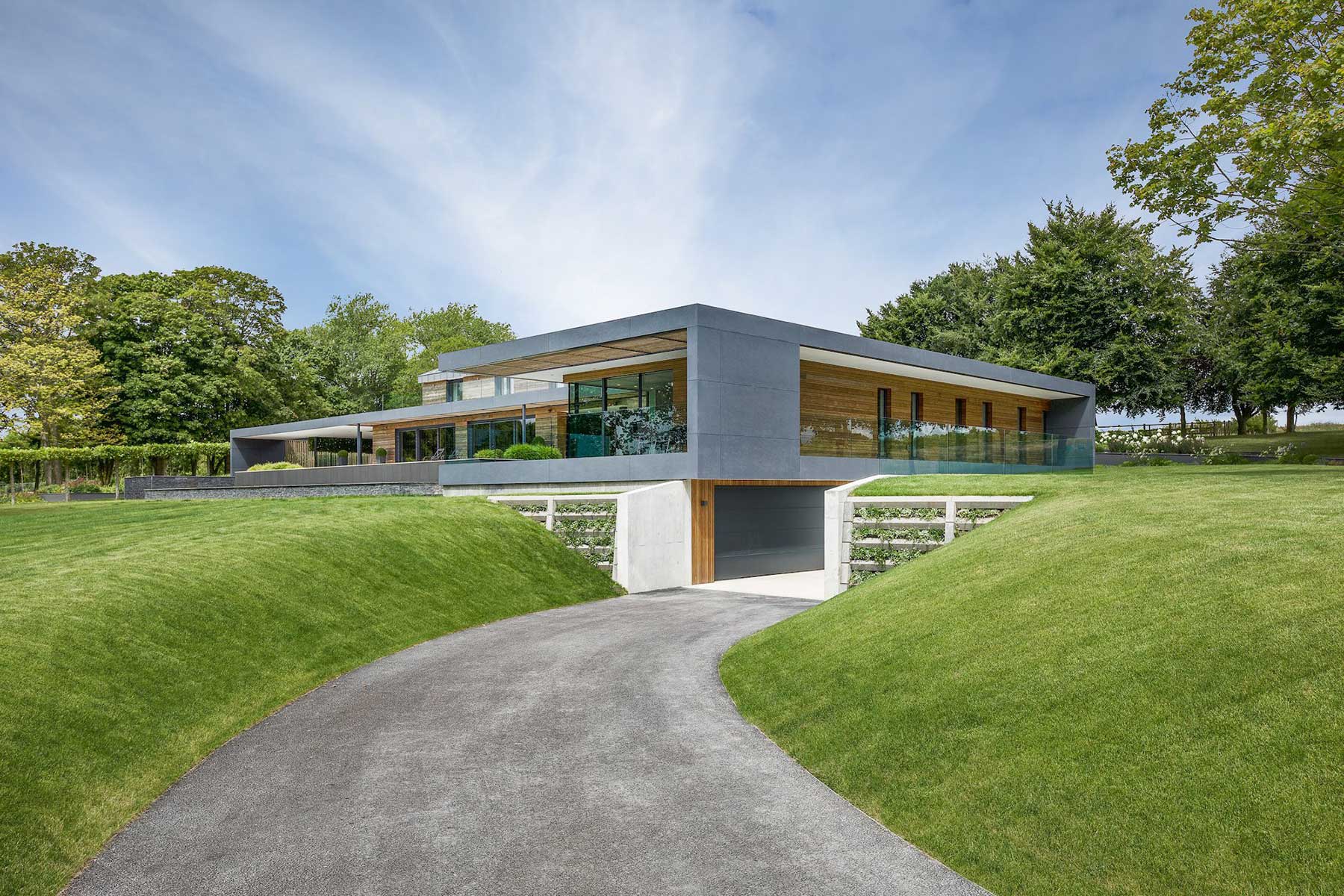
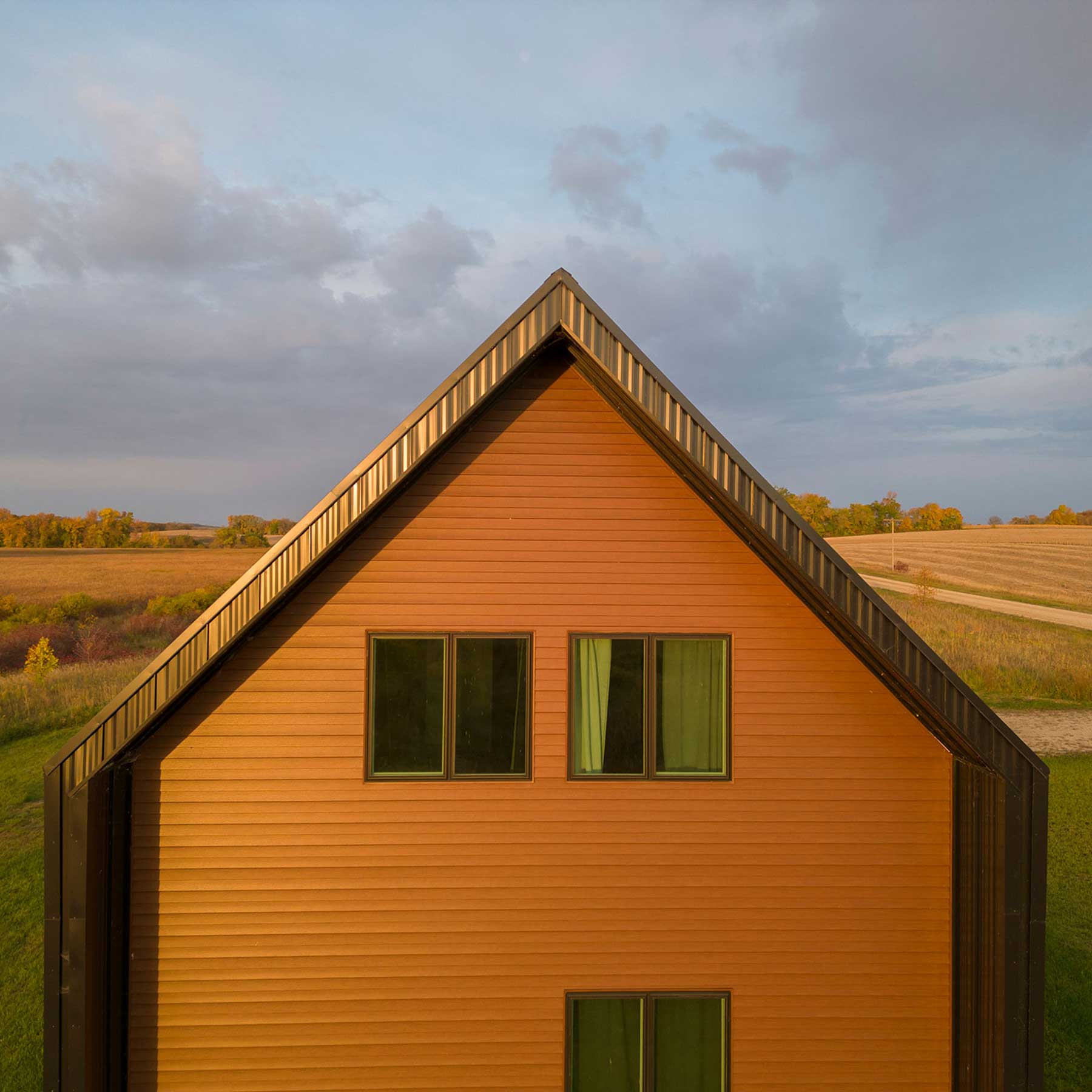
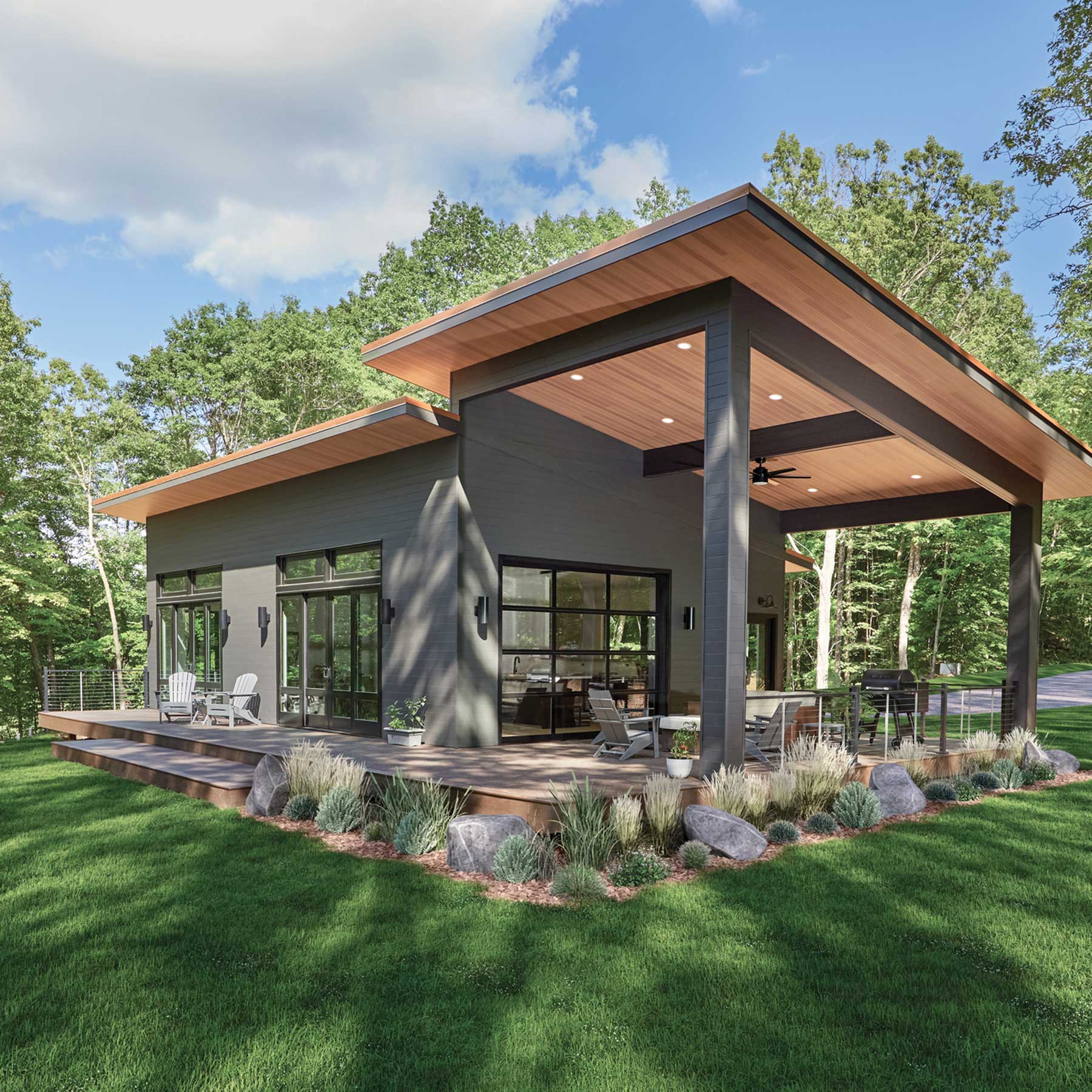
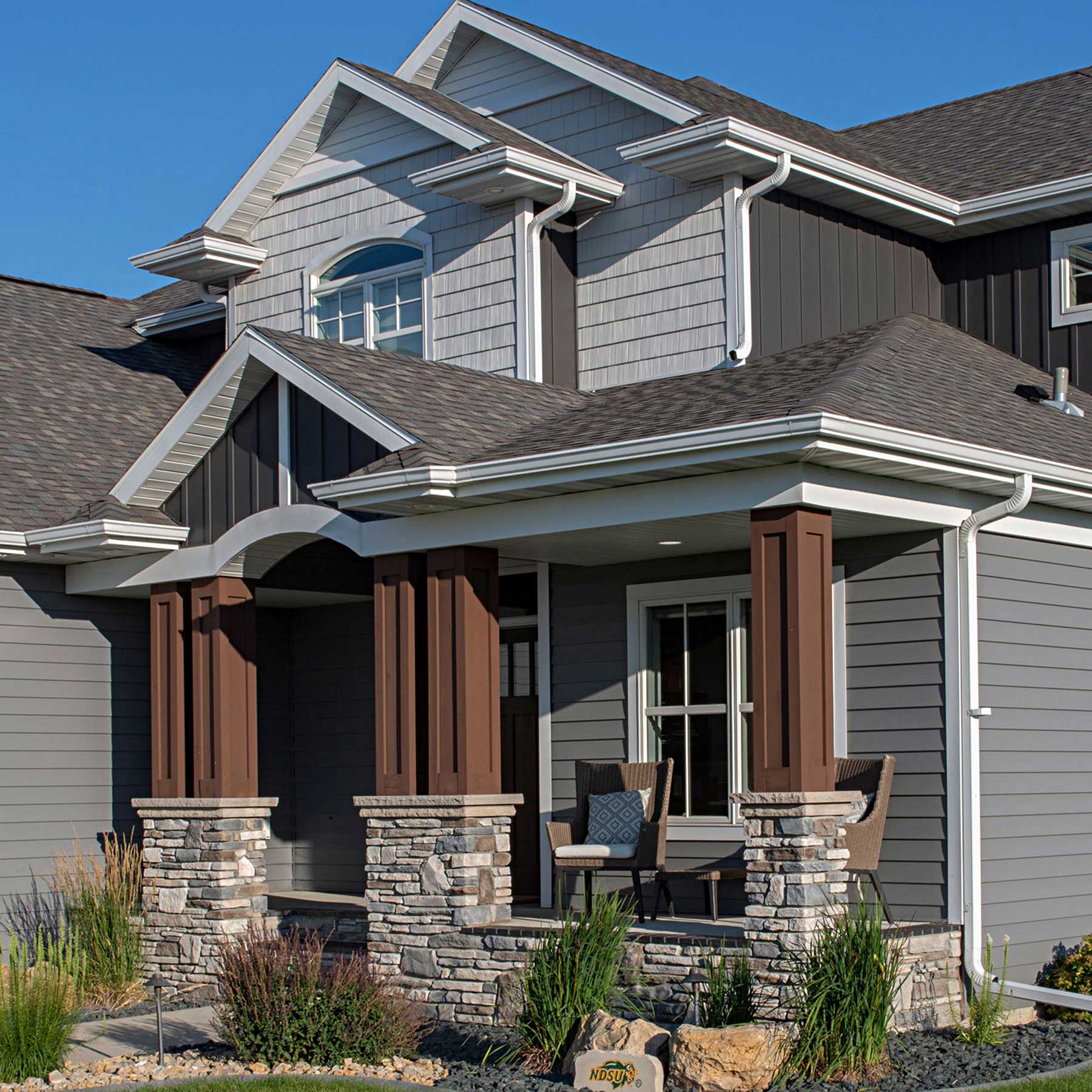
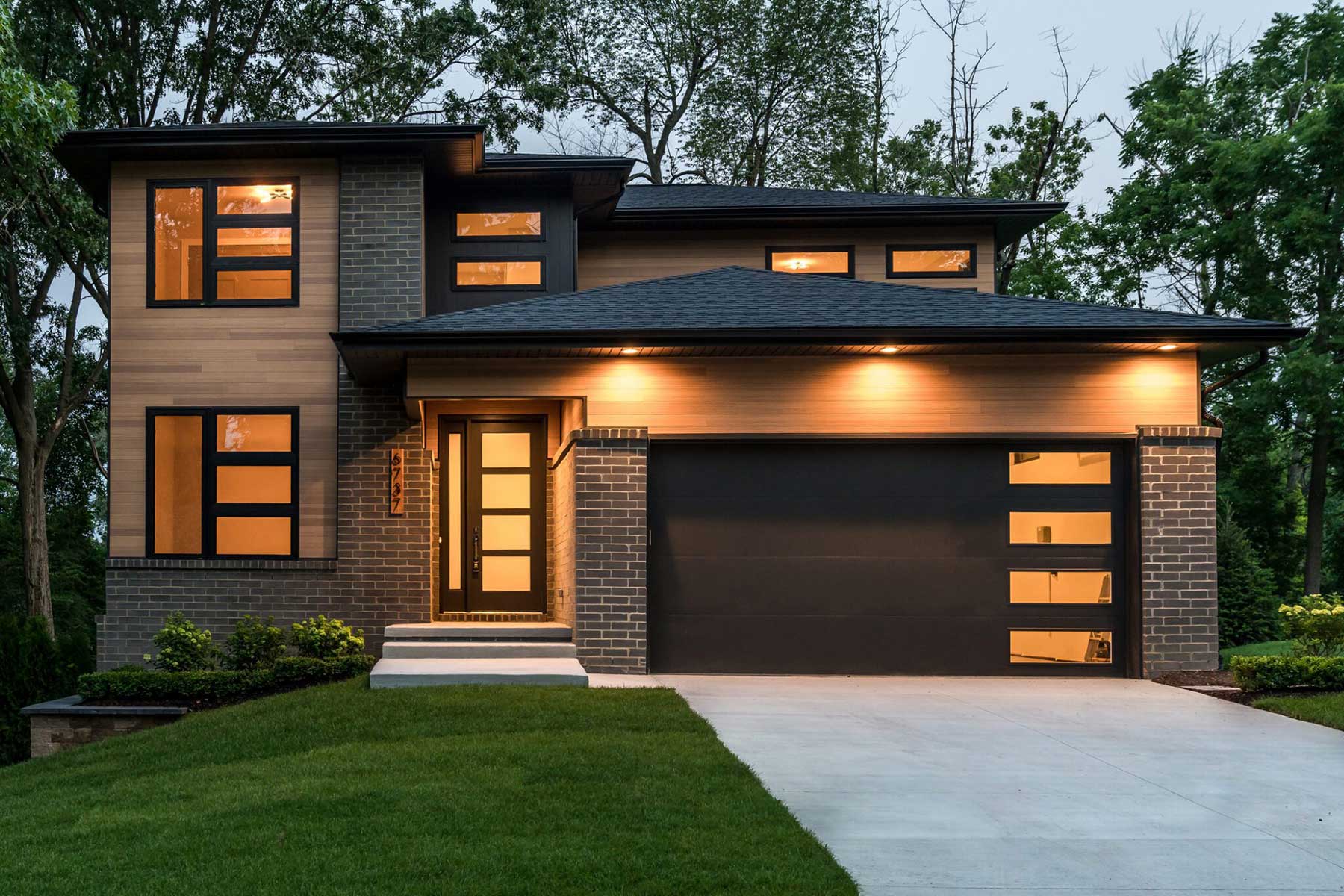
Best for: Modern residential and multifamily projects prioritizing clean detailing, longevity, and non-combustible exterior assemblies.
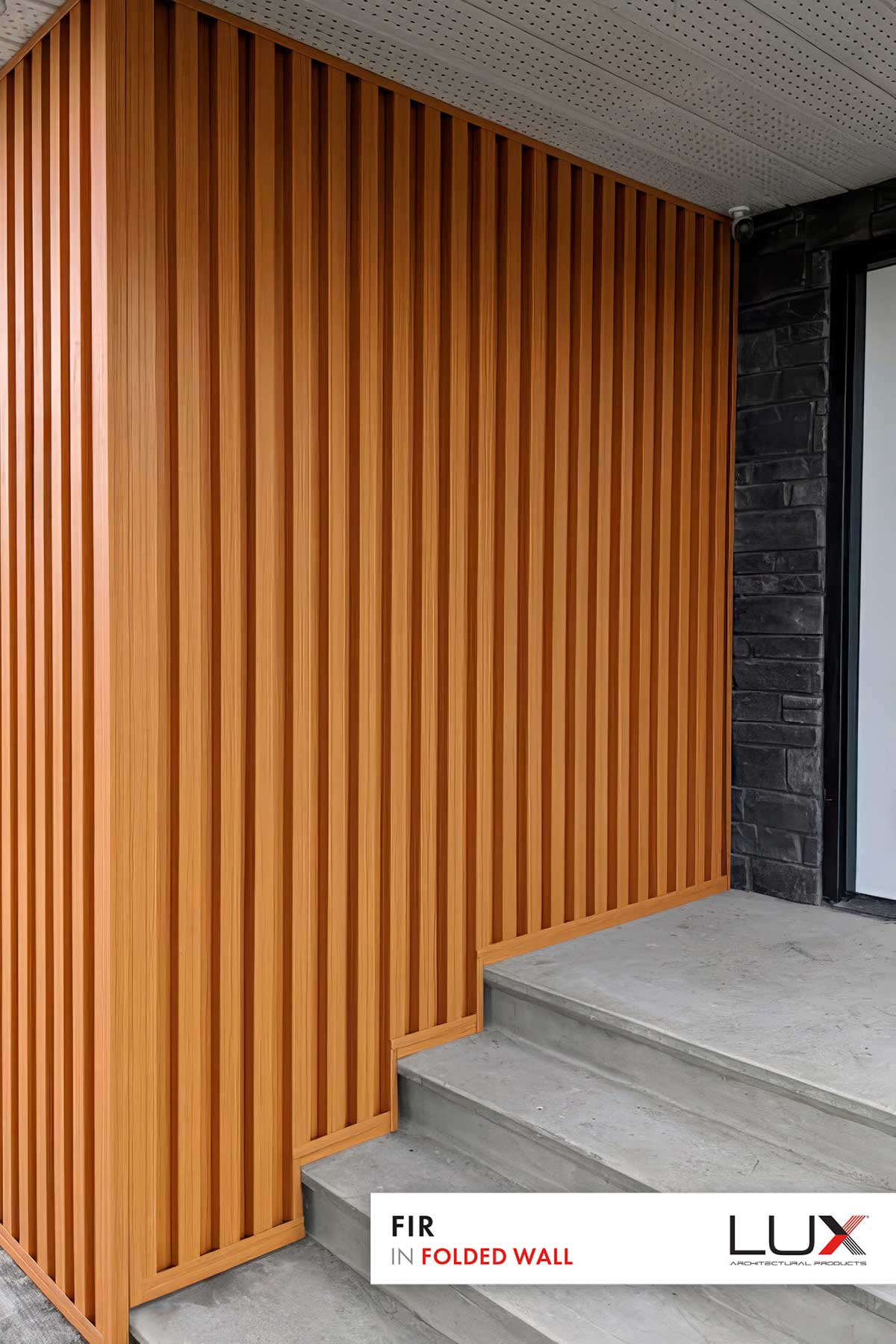
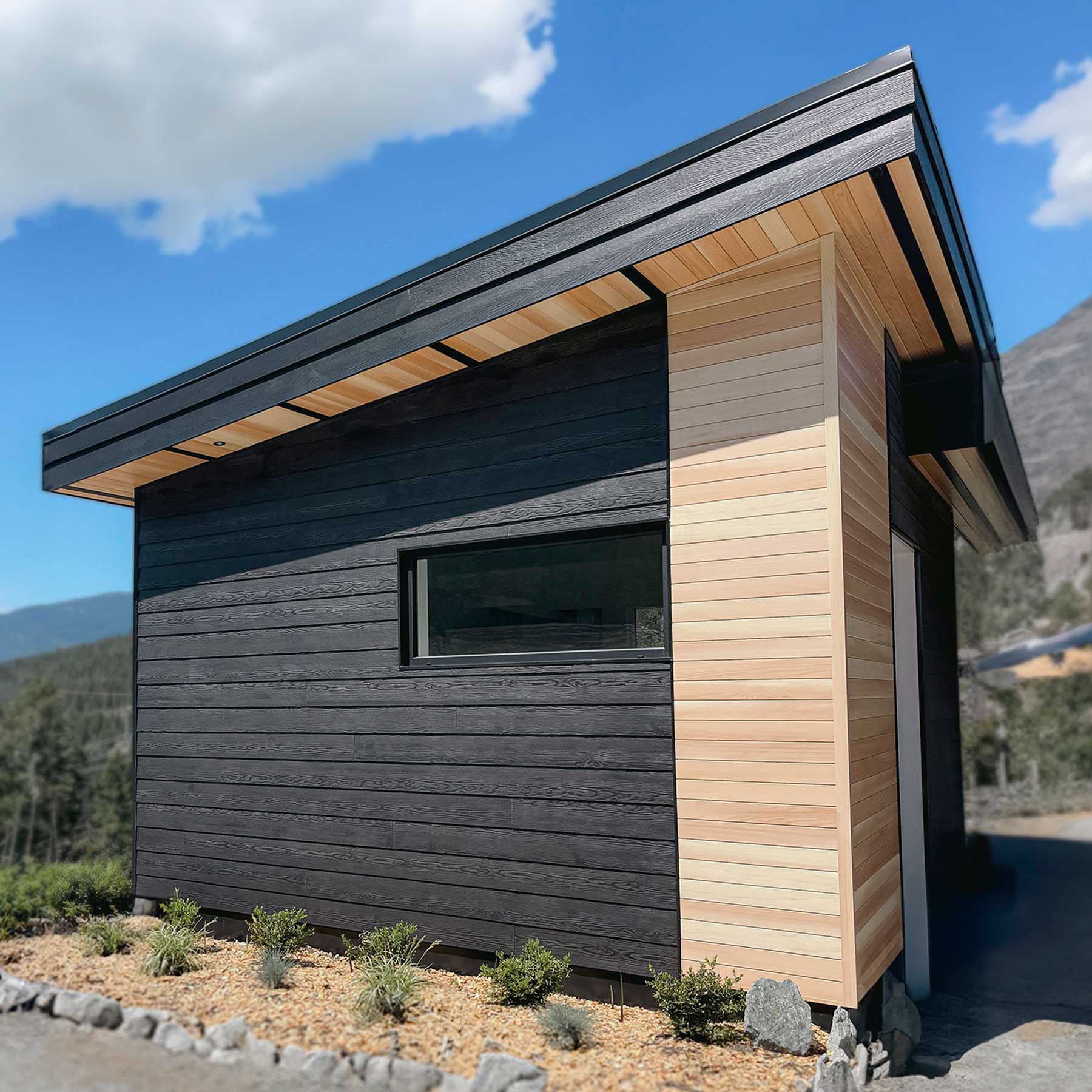
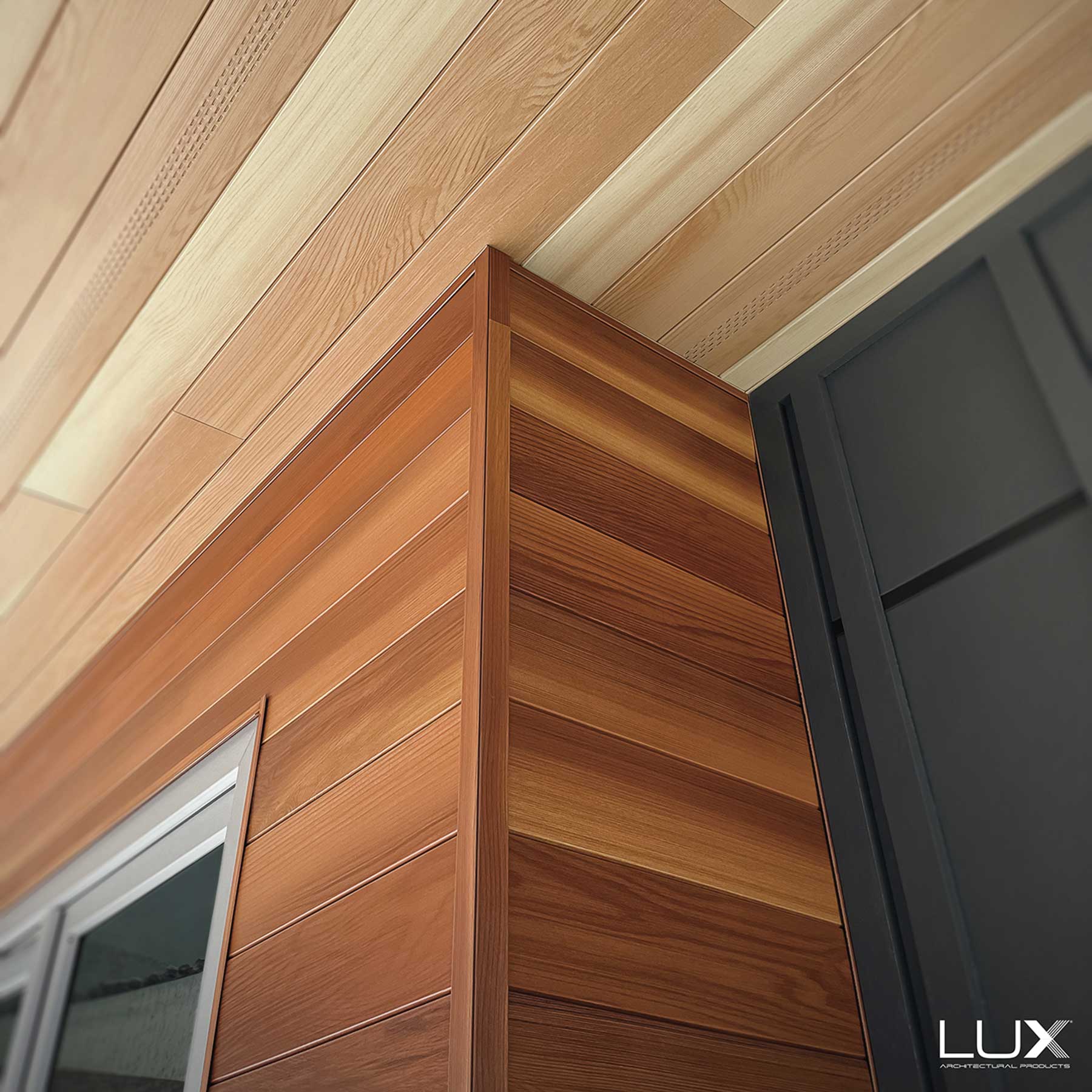
LUX Architectural Products
Edmonton, Alberta
Performance considerations:
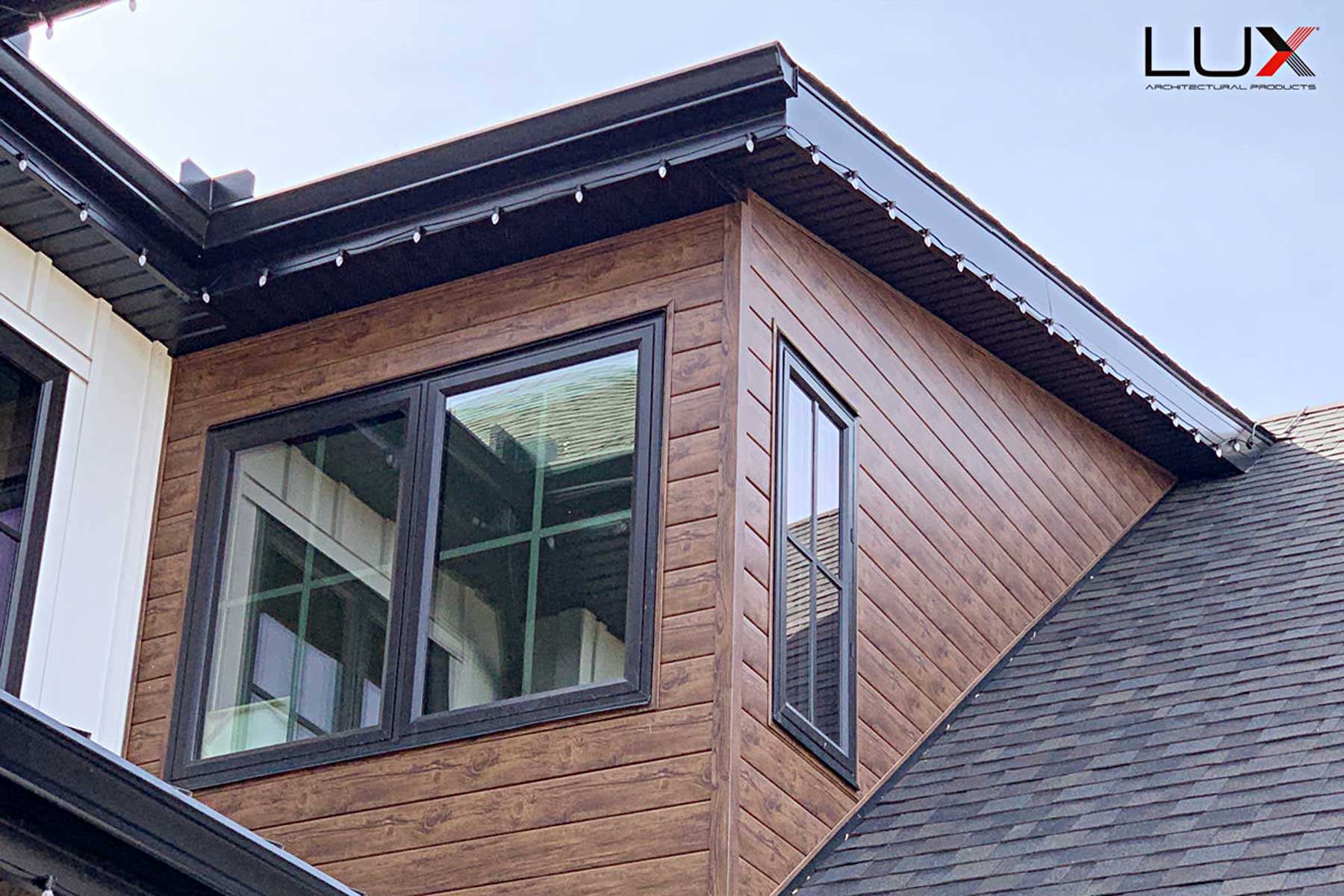
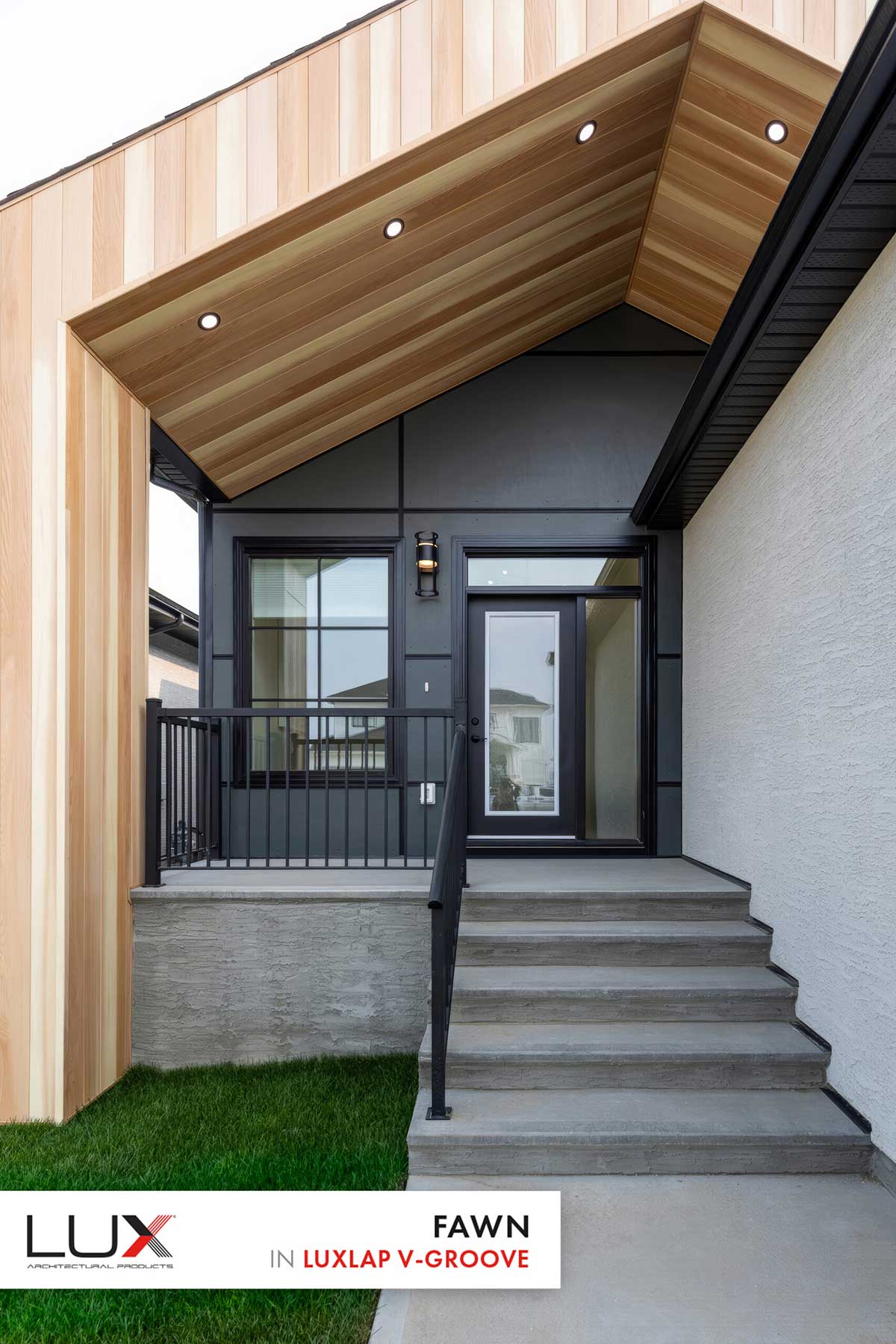
Panel alignment and sequencing coordination become especially important with modern metal systems.
Quality Edge
Walker, Michigan
Performance considerations:
Metal systems can provide strong fire-resistance advantages in WUI-sensitive regions.
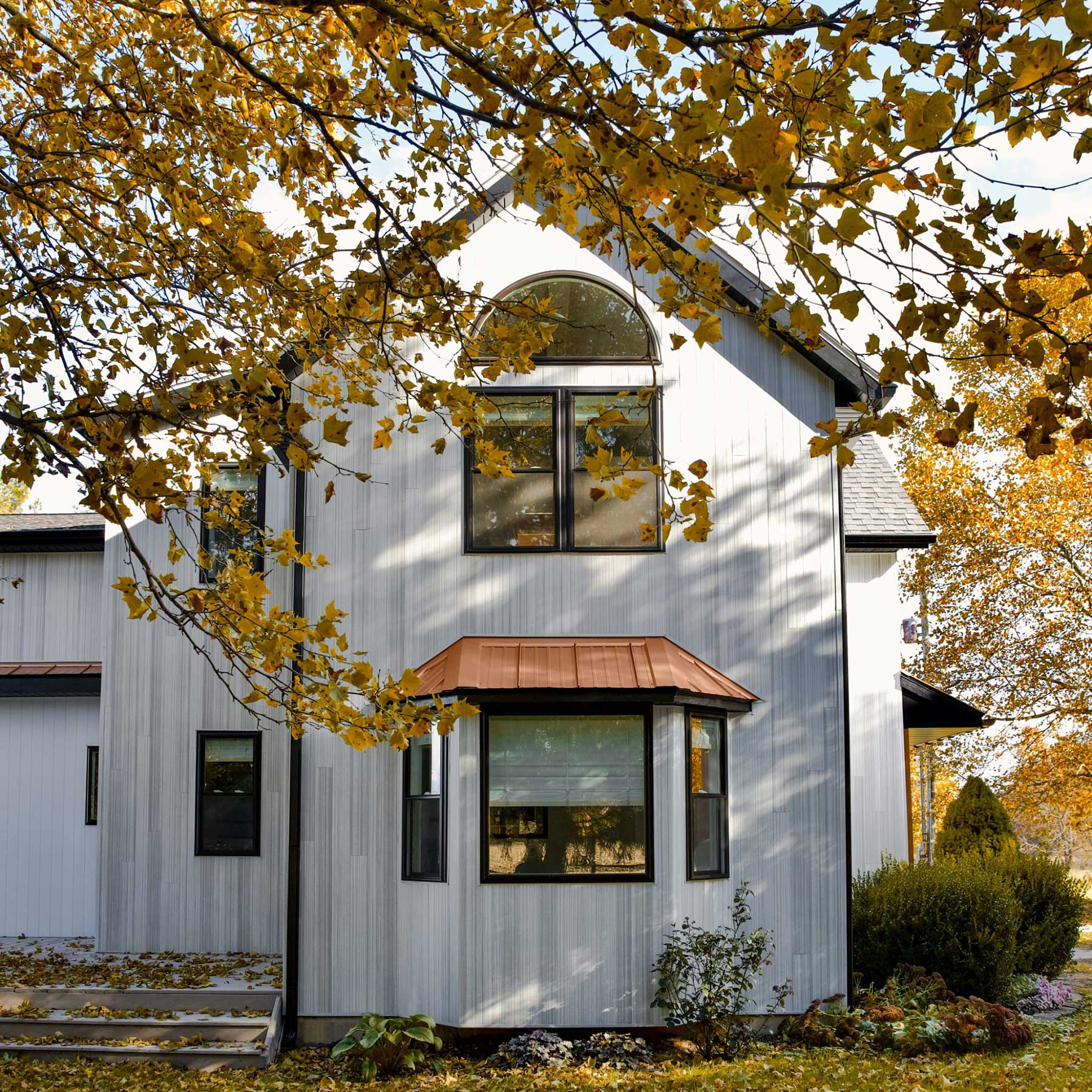
Mac Metal Architectural
Longueuil, Quebec
Performance considerations:
Modern metal systems often require tighter coordination between trades during installation.
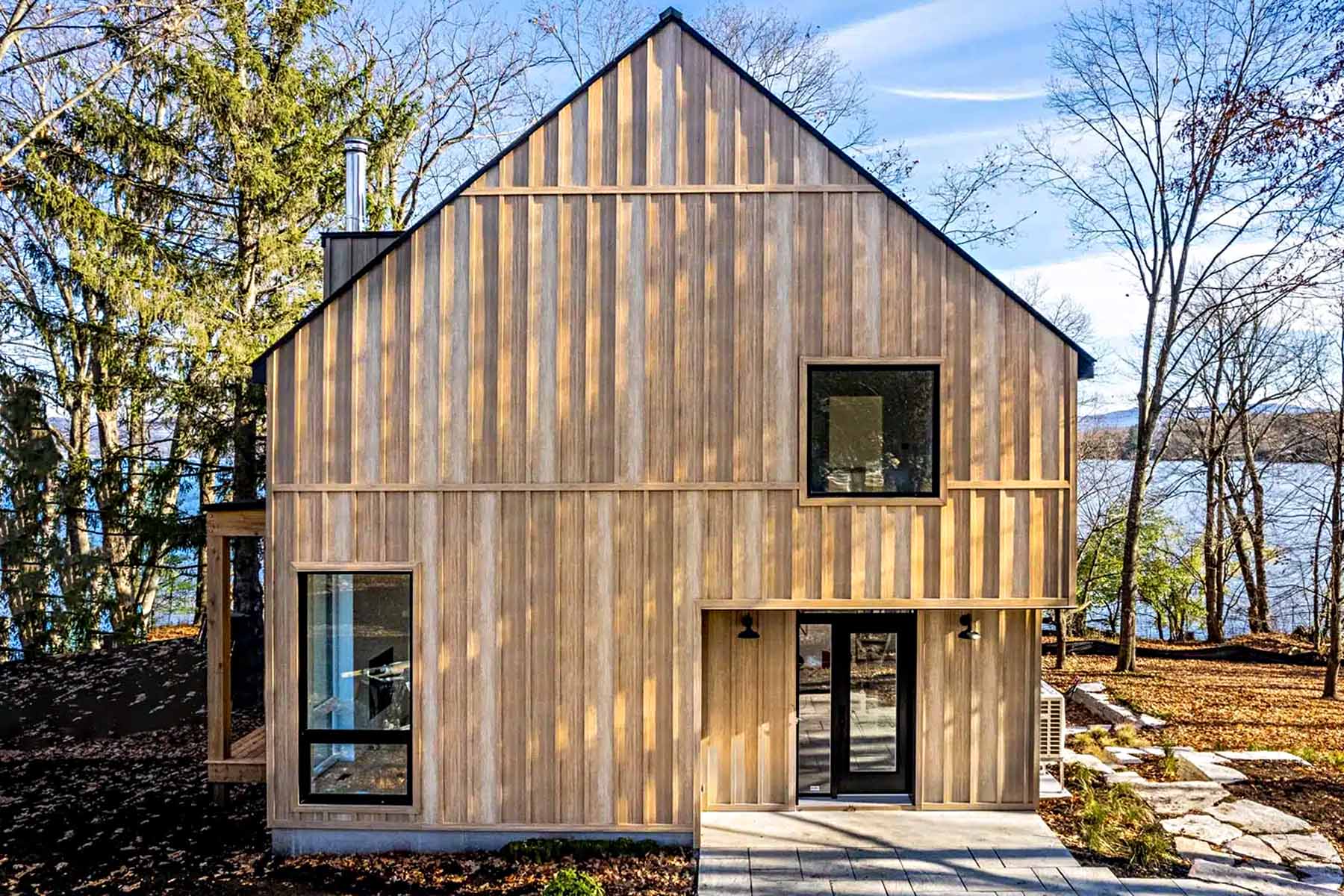
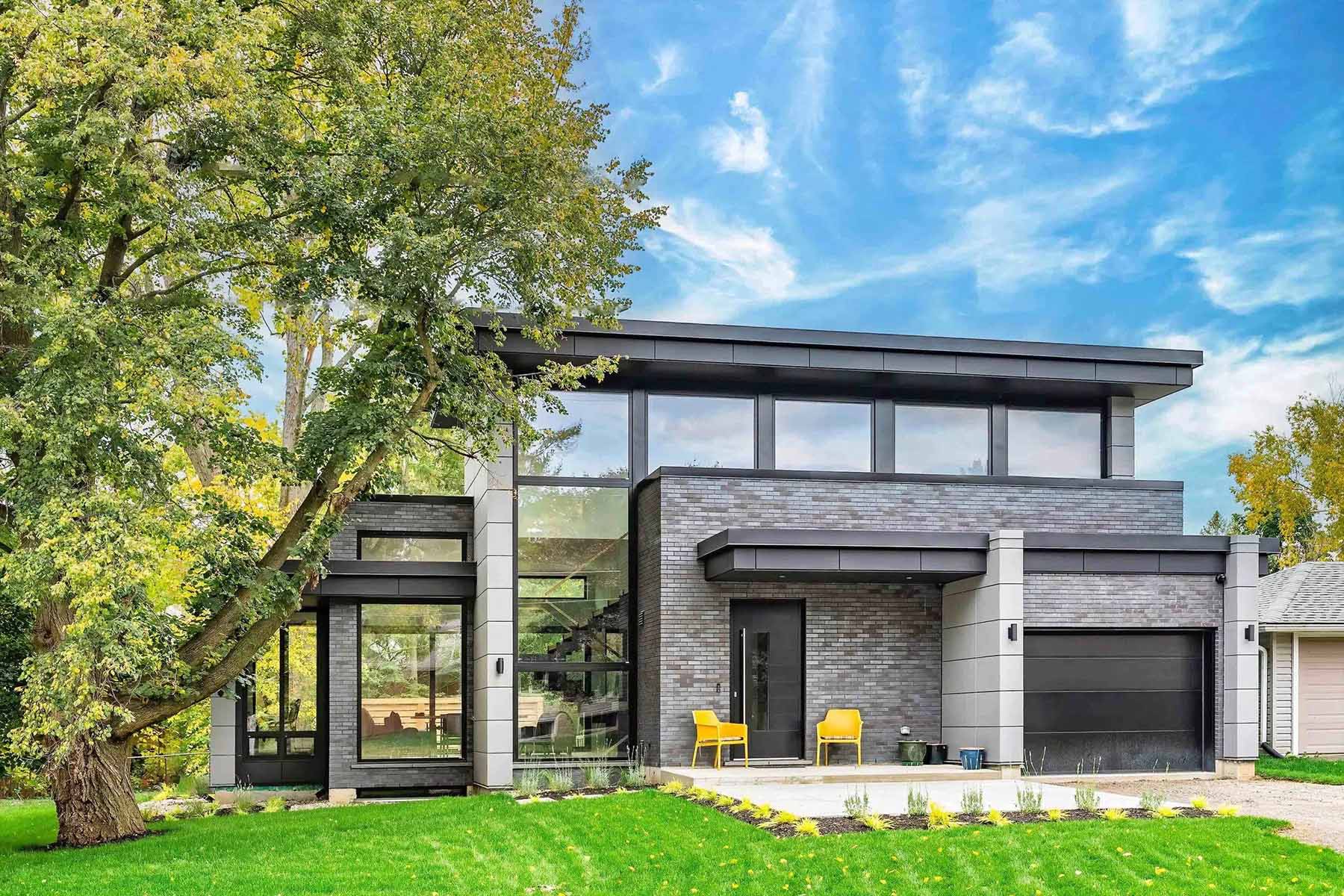
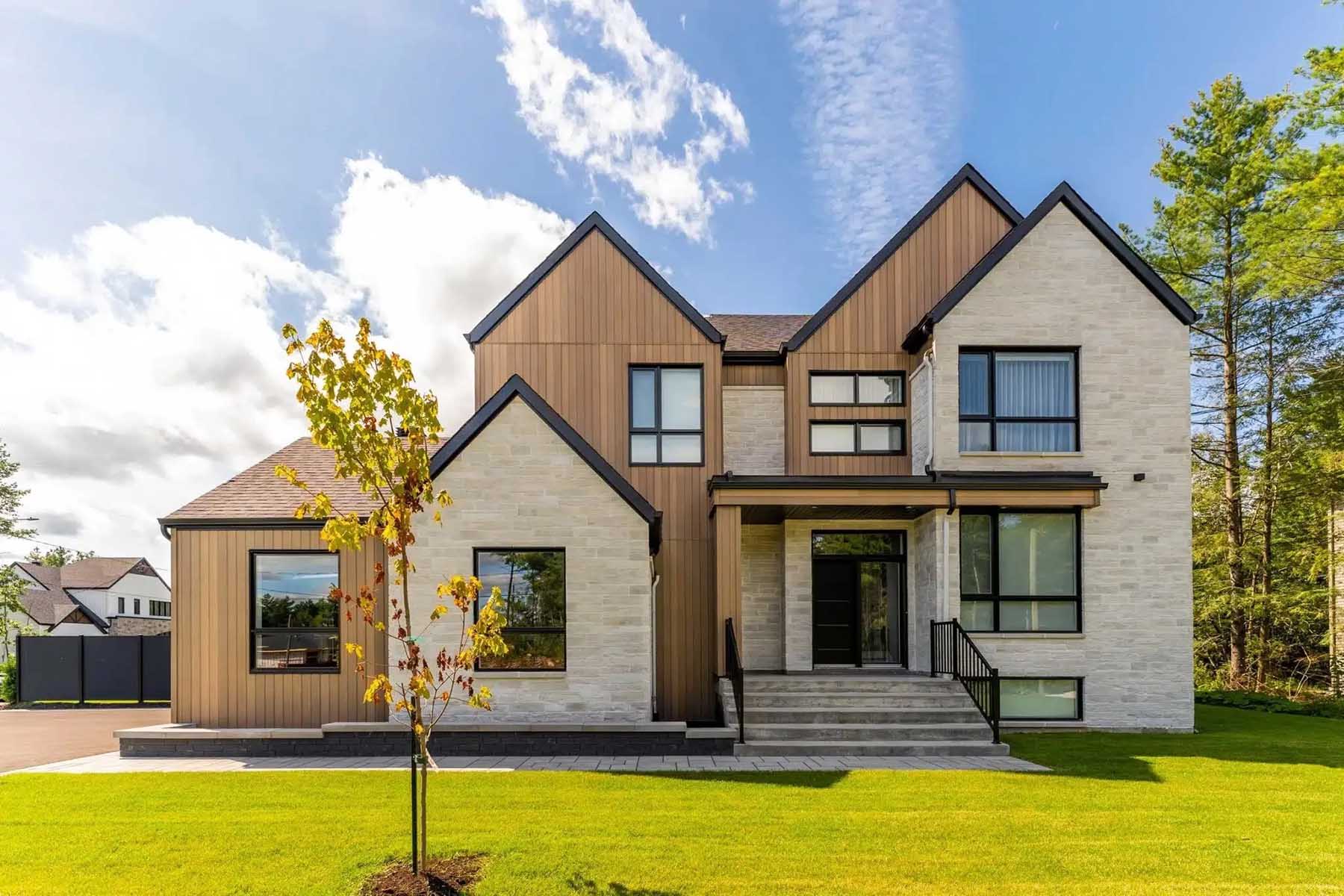
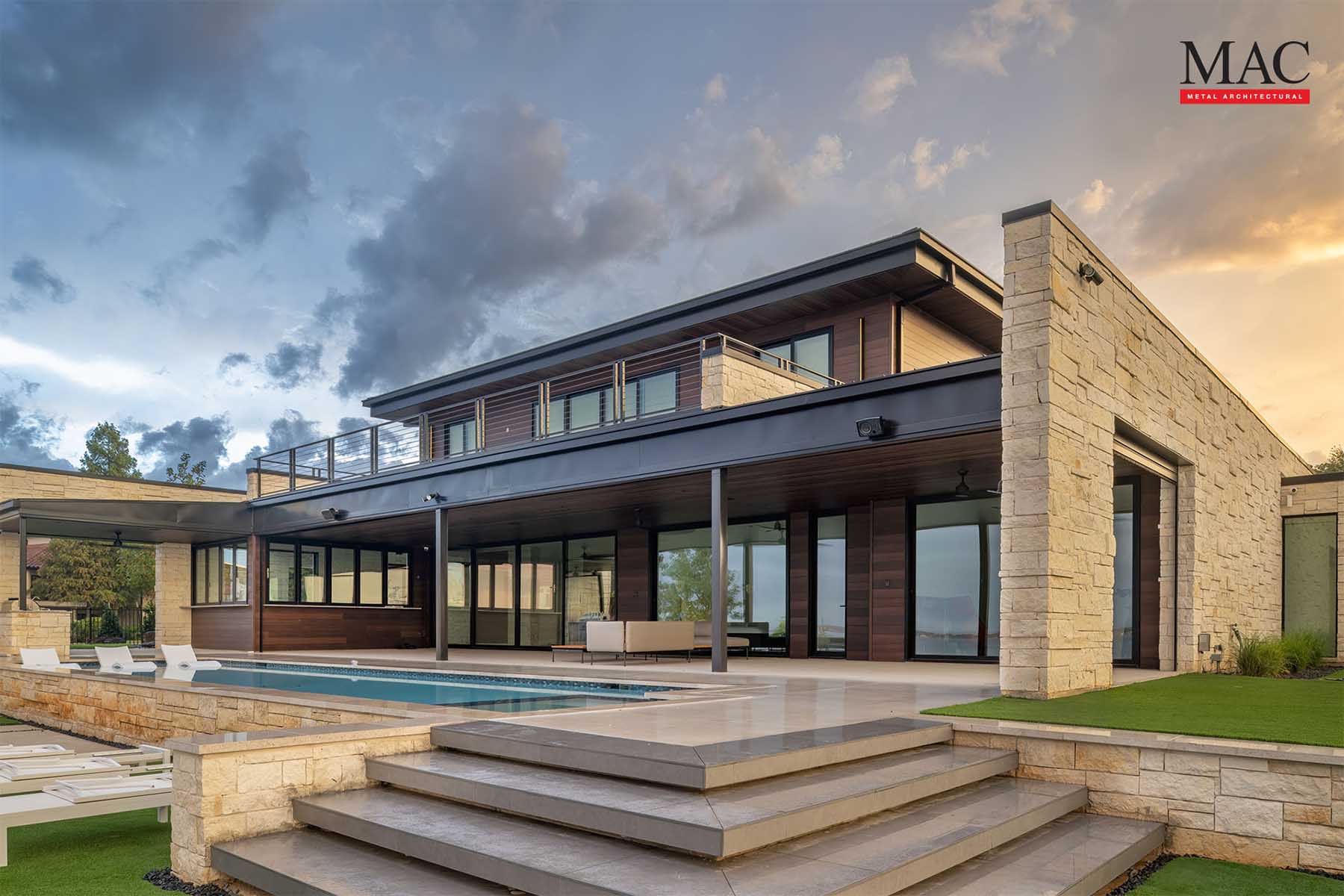
Lightweight Masonry & Stone-Look Systems
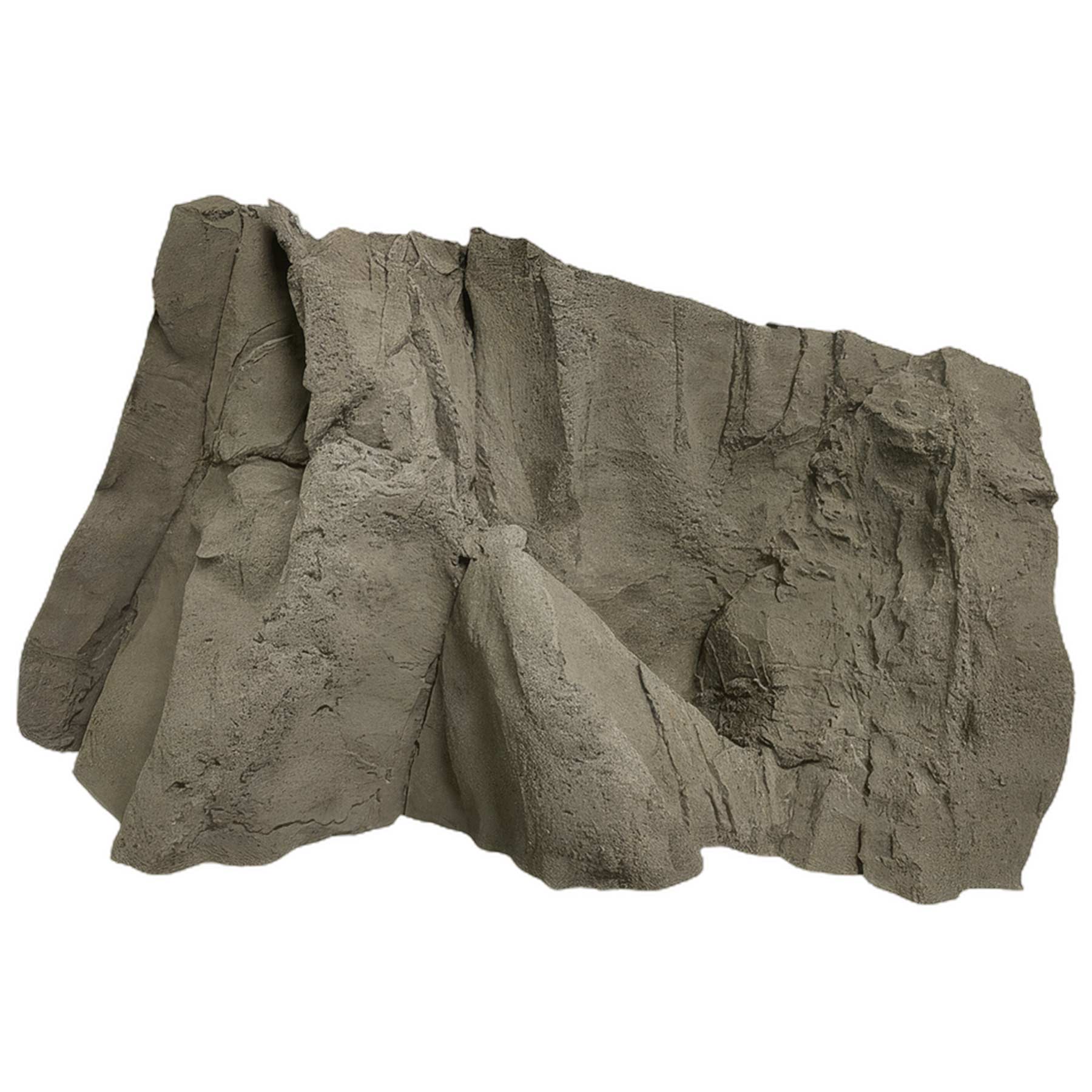
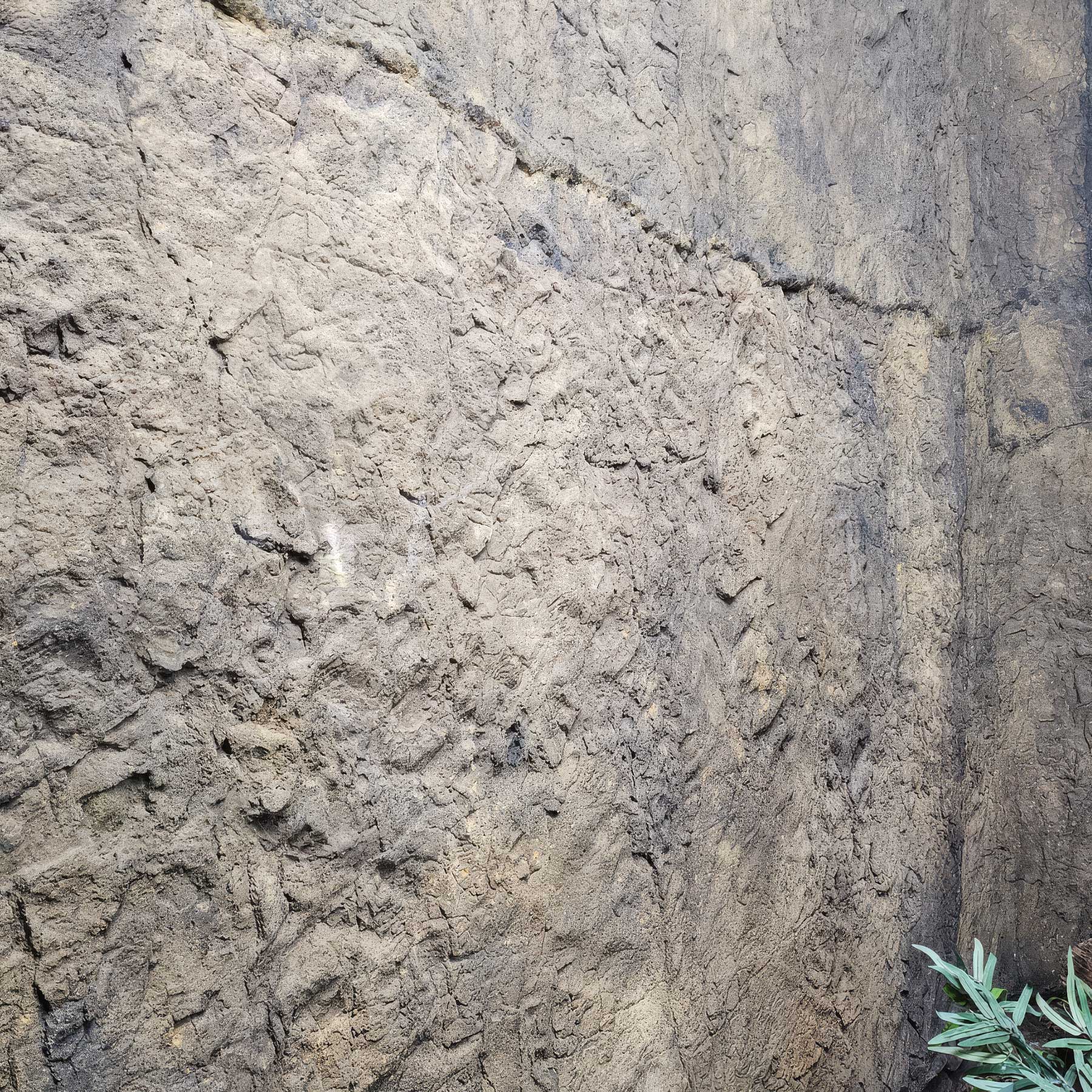
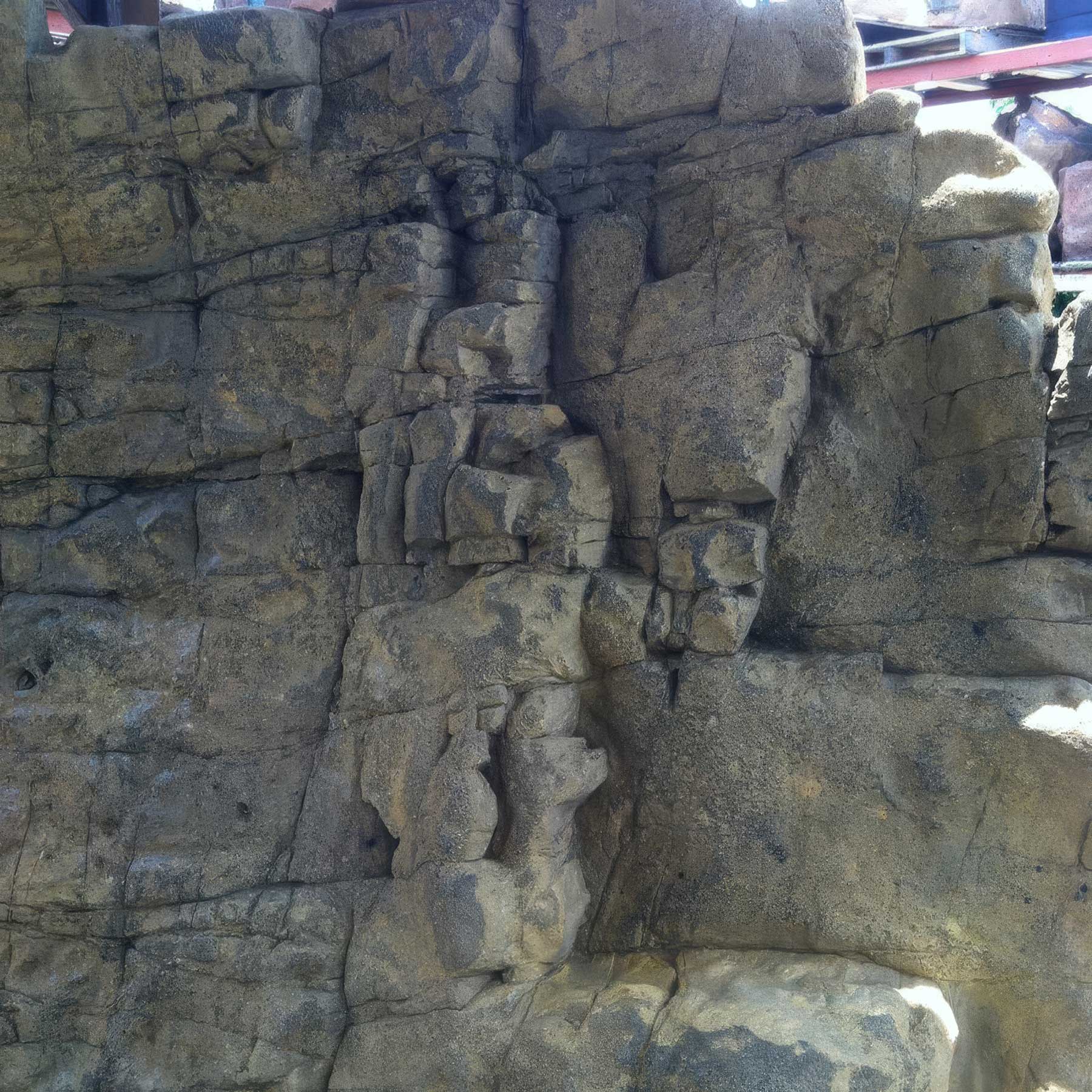
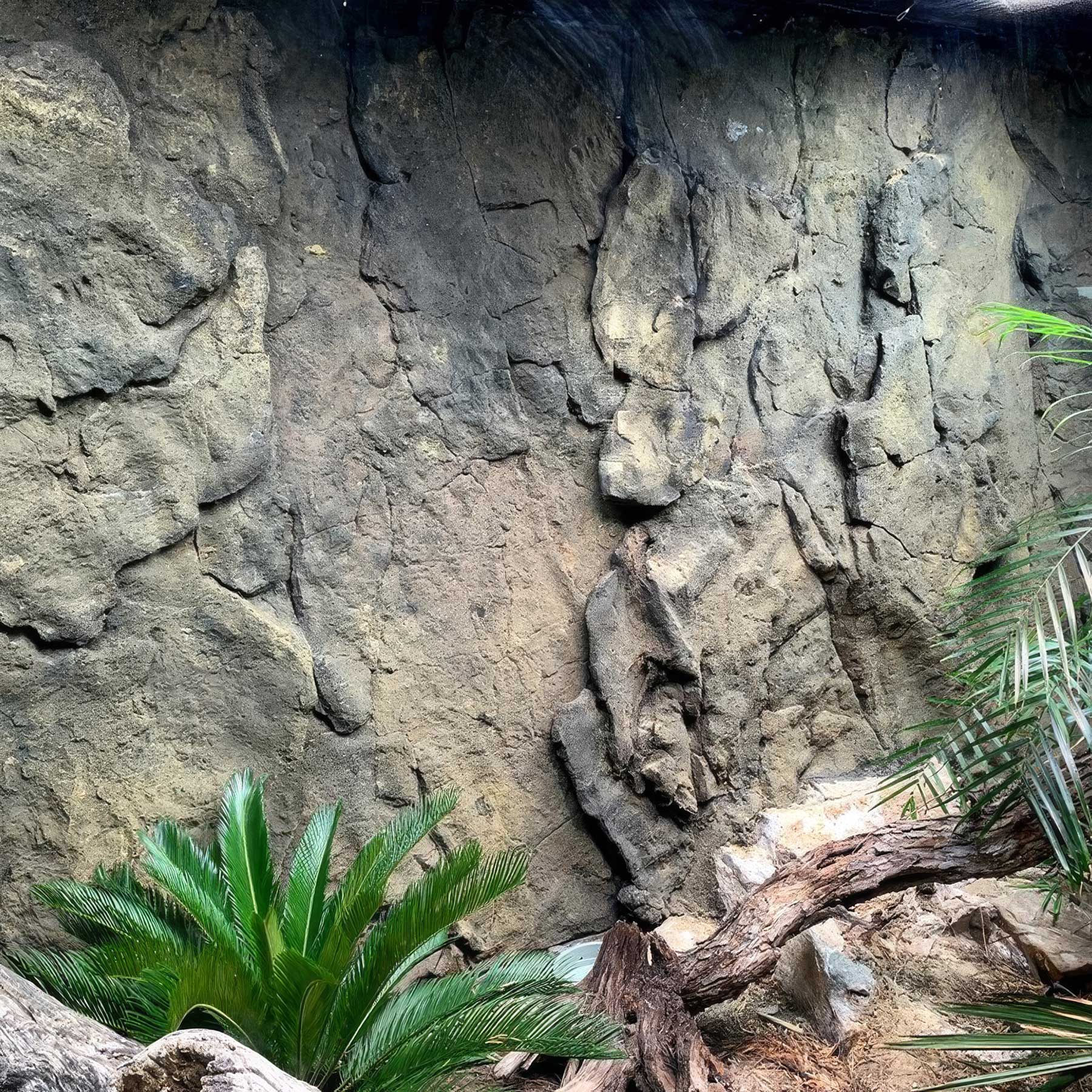
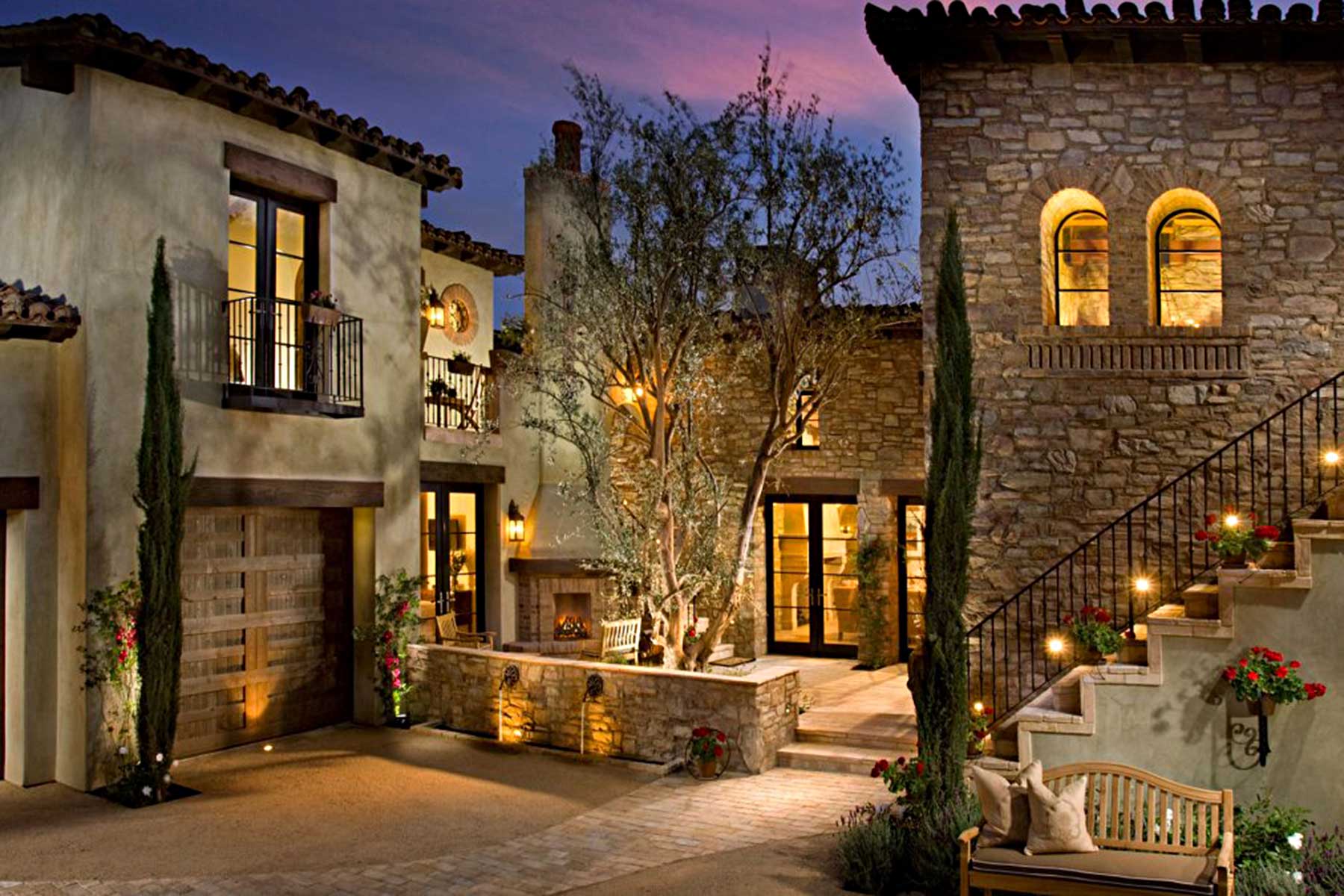
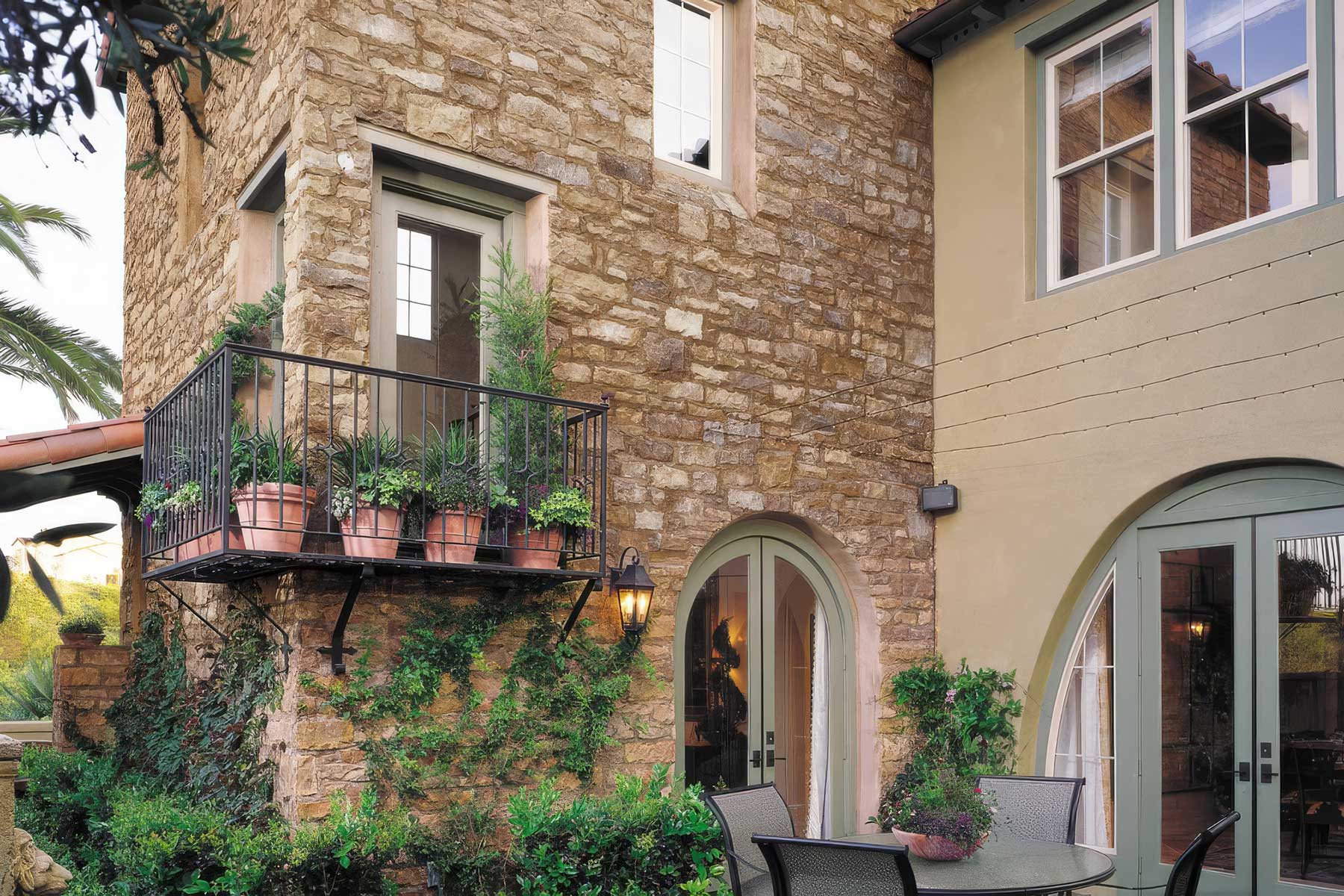
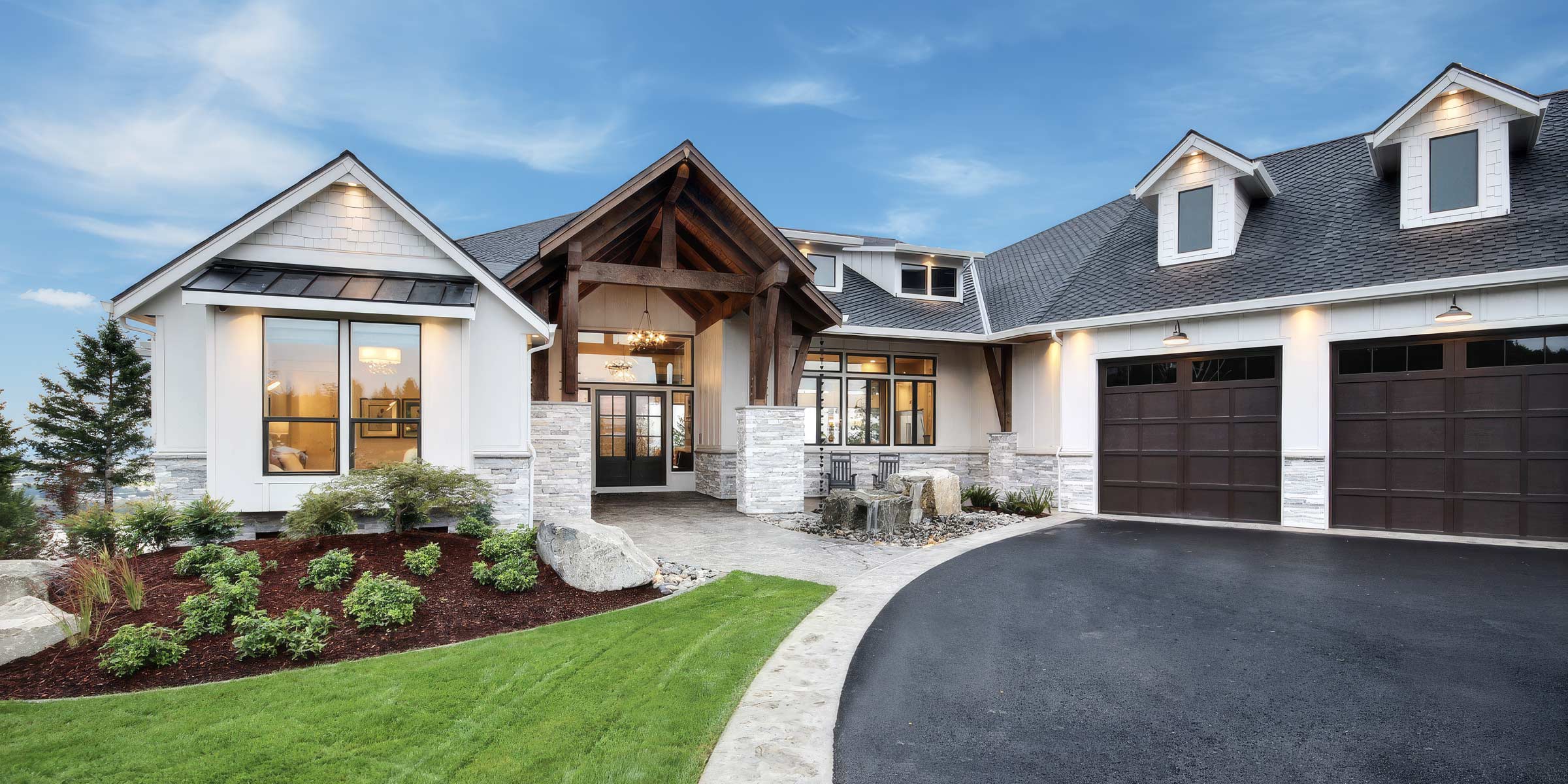
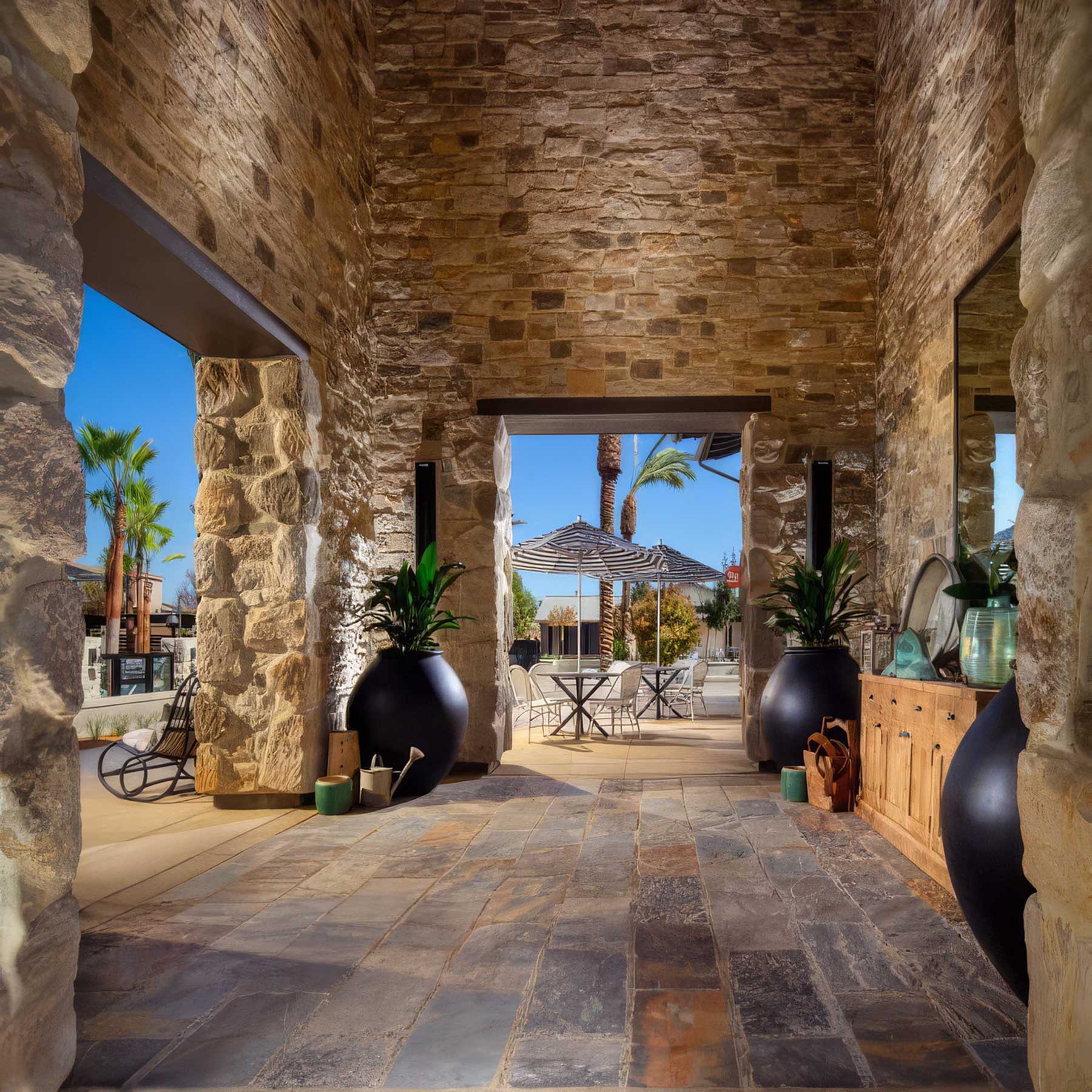
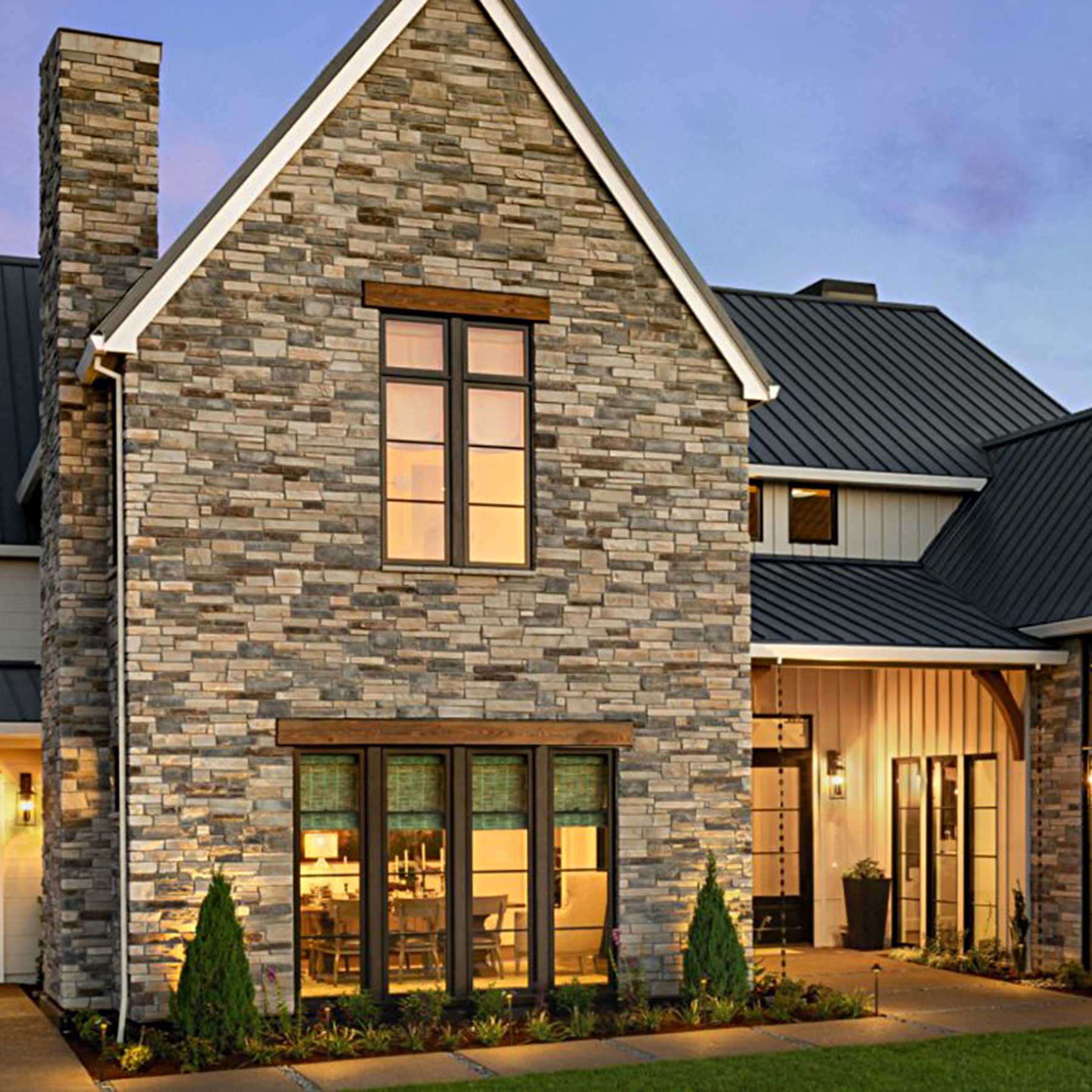
Best for: Projects seeking masonry character without the structural weight or installation complexity of full-thickness stone systems.
Universal Rocks
Garland, Texas
Performance considerations:
Weight reduction can simplify installation and expand application flexibility across retrofit projects.
Eldorado Stone
San Marcos, California
Performance considerations:
Proper moisture management and flashing details remain critical around penetrations and transitions.
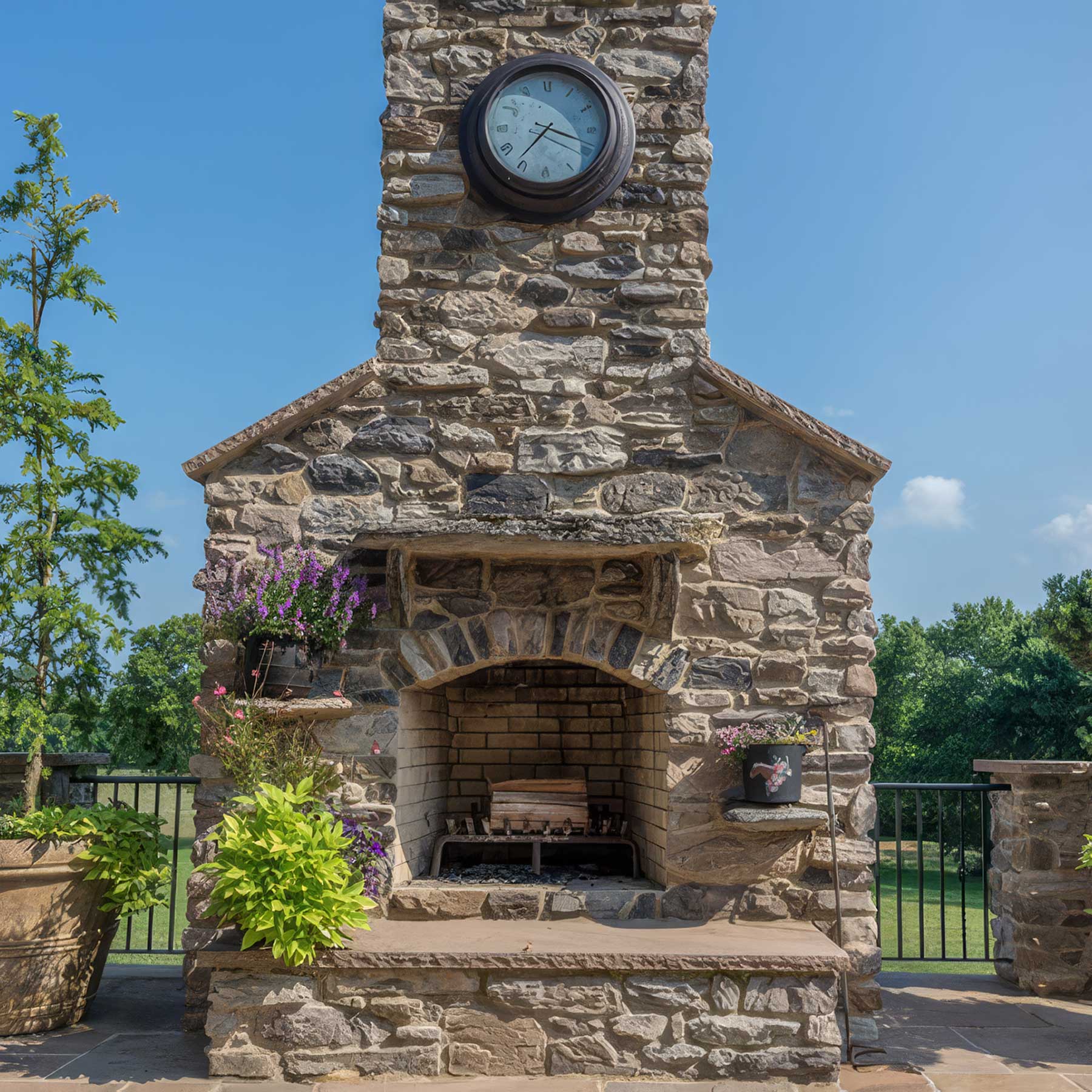
Cultured Stone
Roswell, Georgia
Performance considerations:
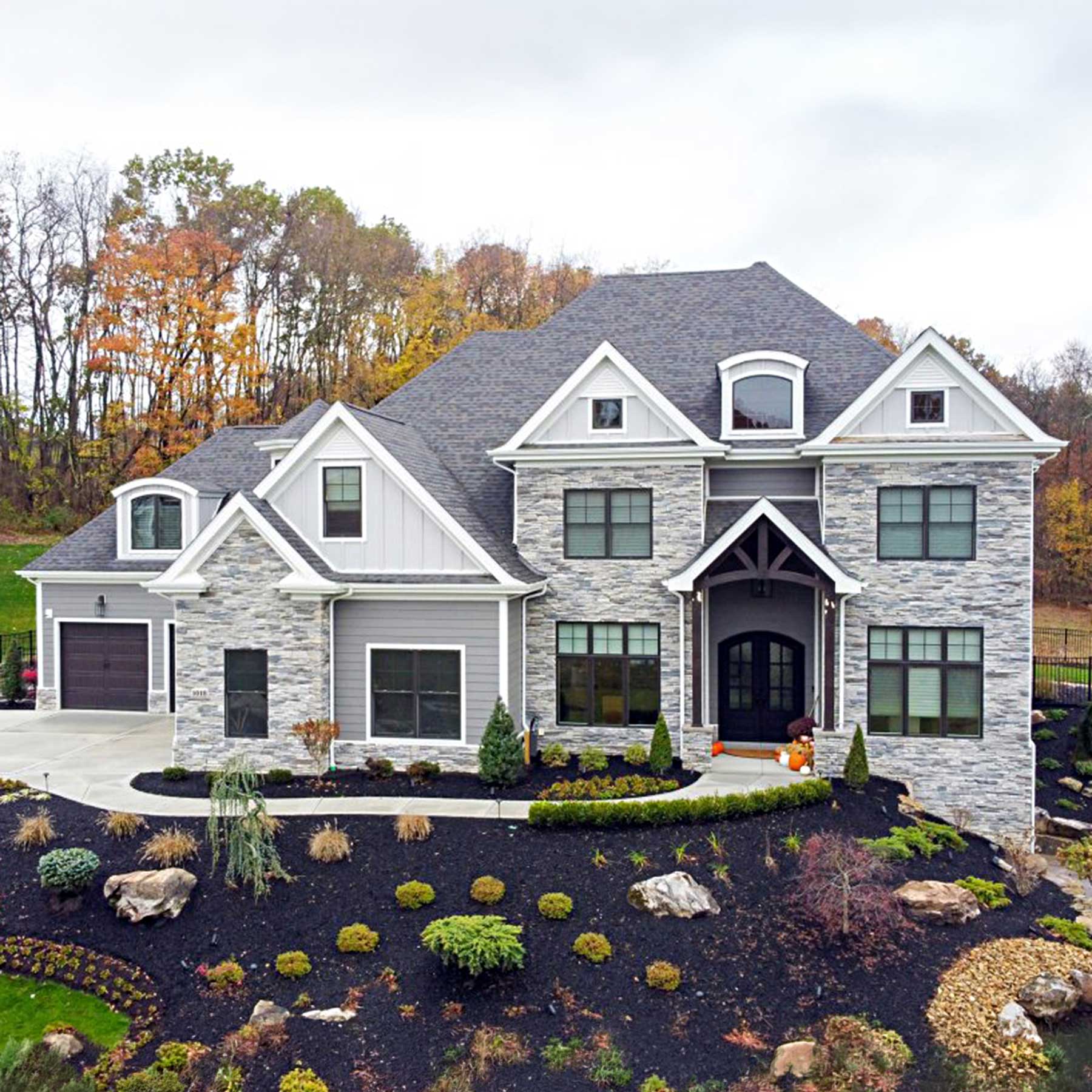
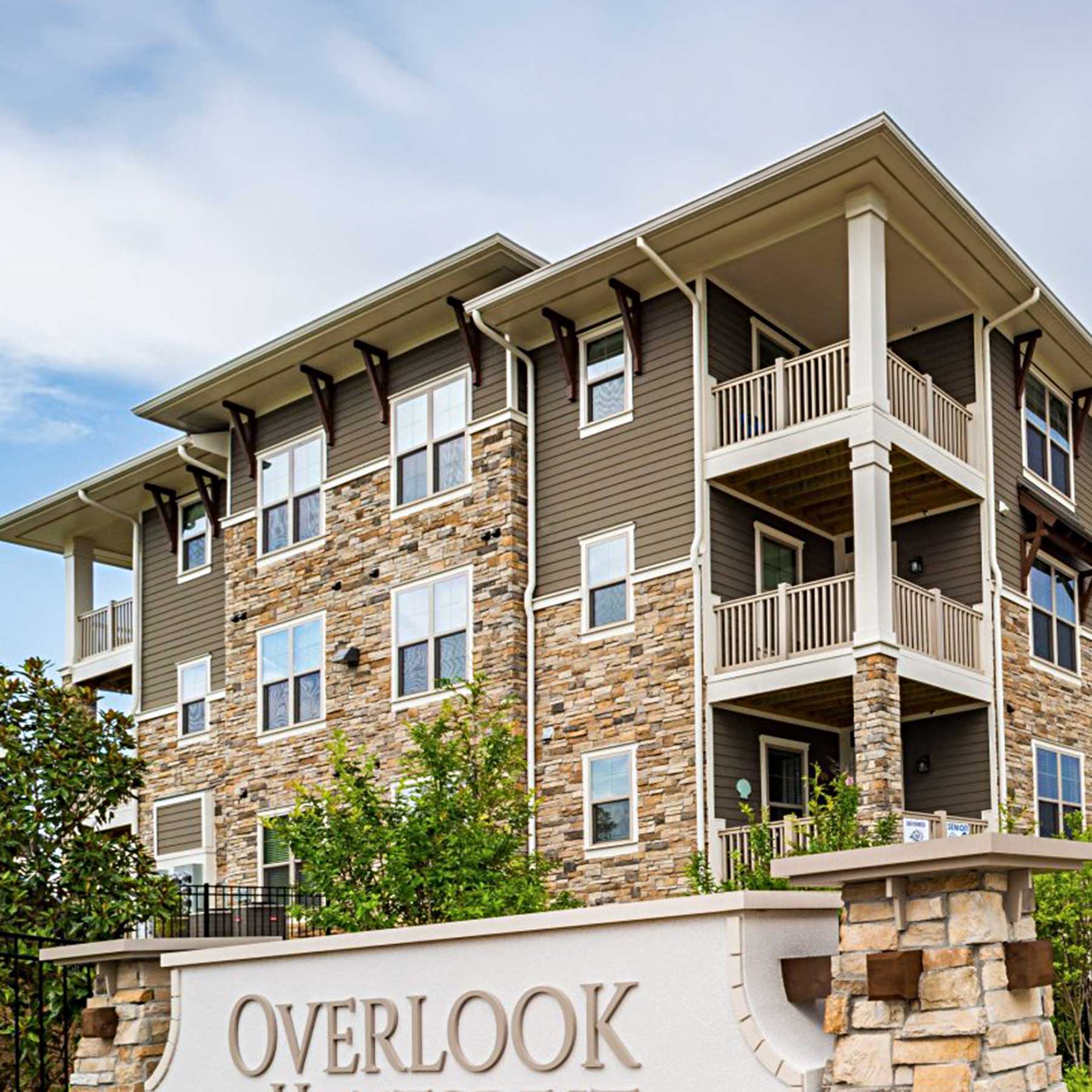
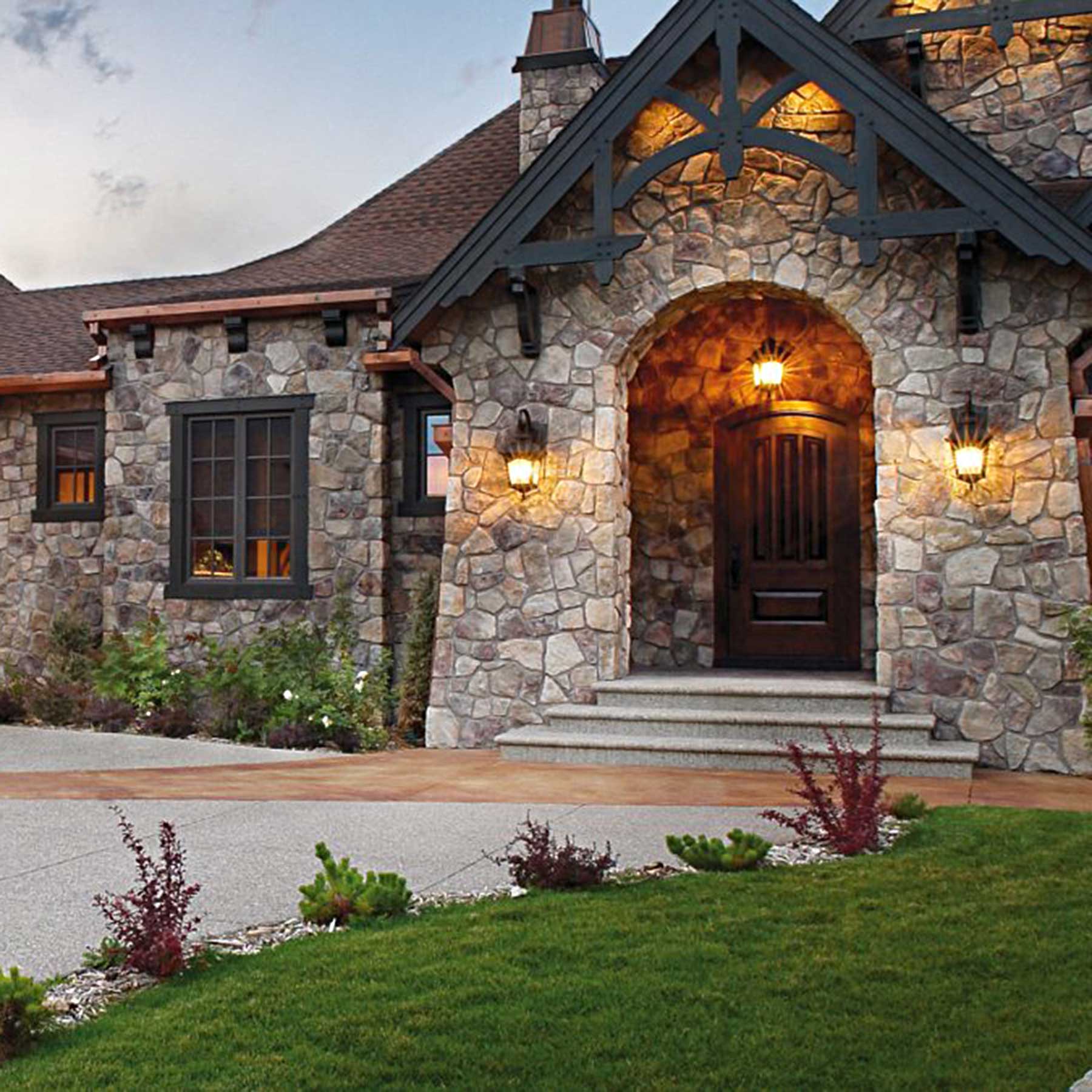
Manufactured stone systems continue evolving toward more realistic texture depth and installation efficiency.
Fiber Cement Systems
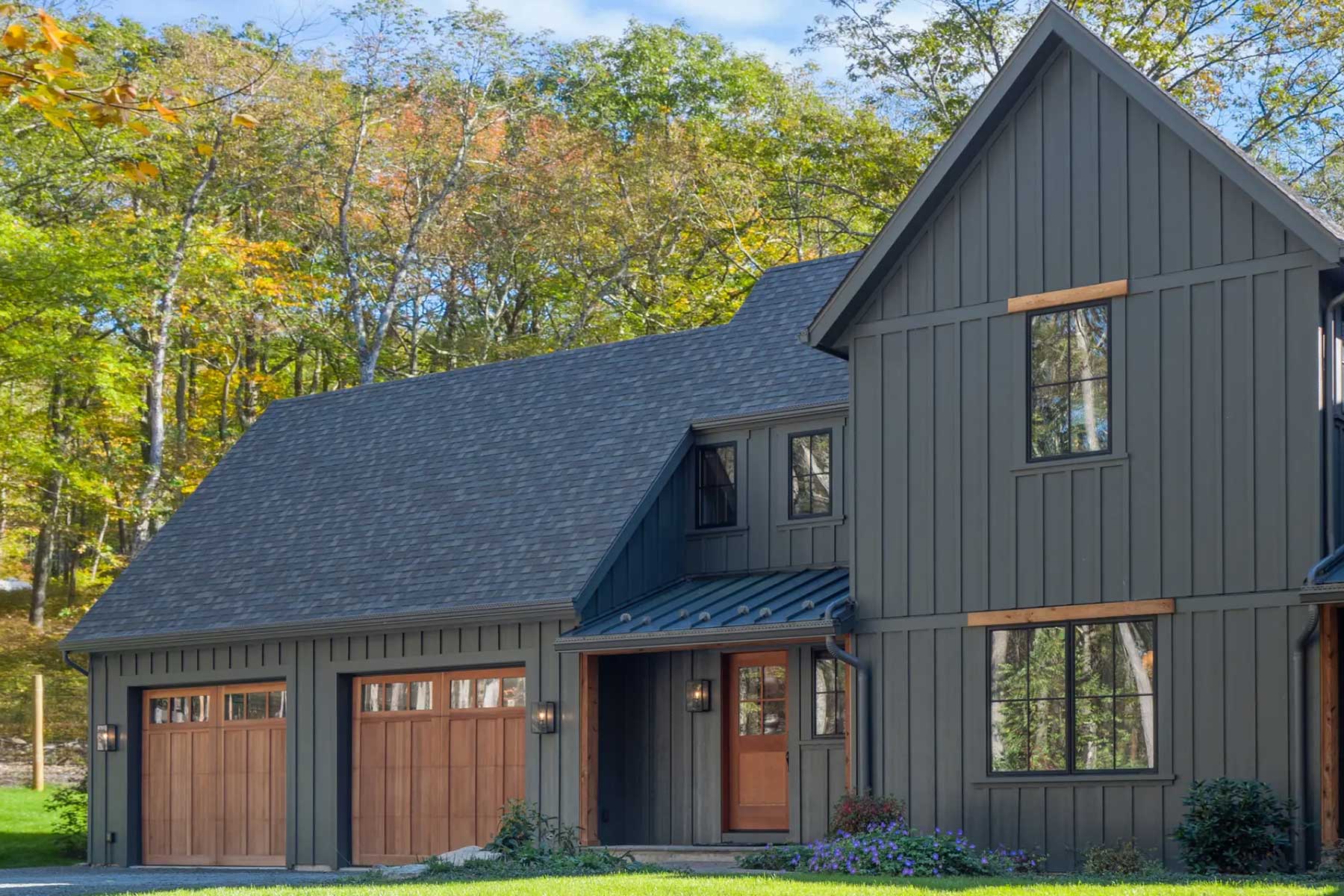
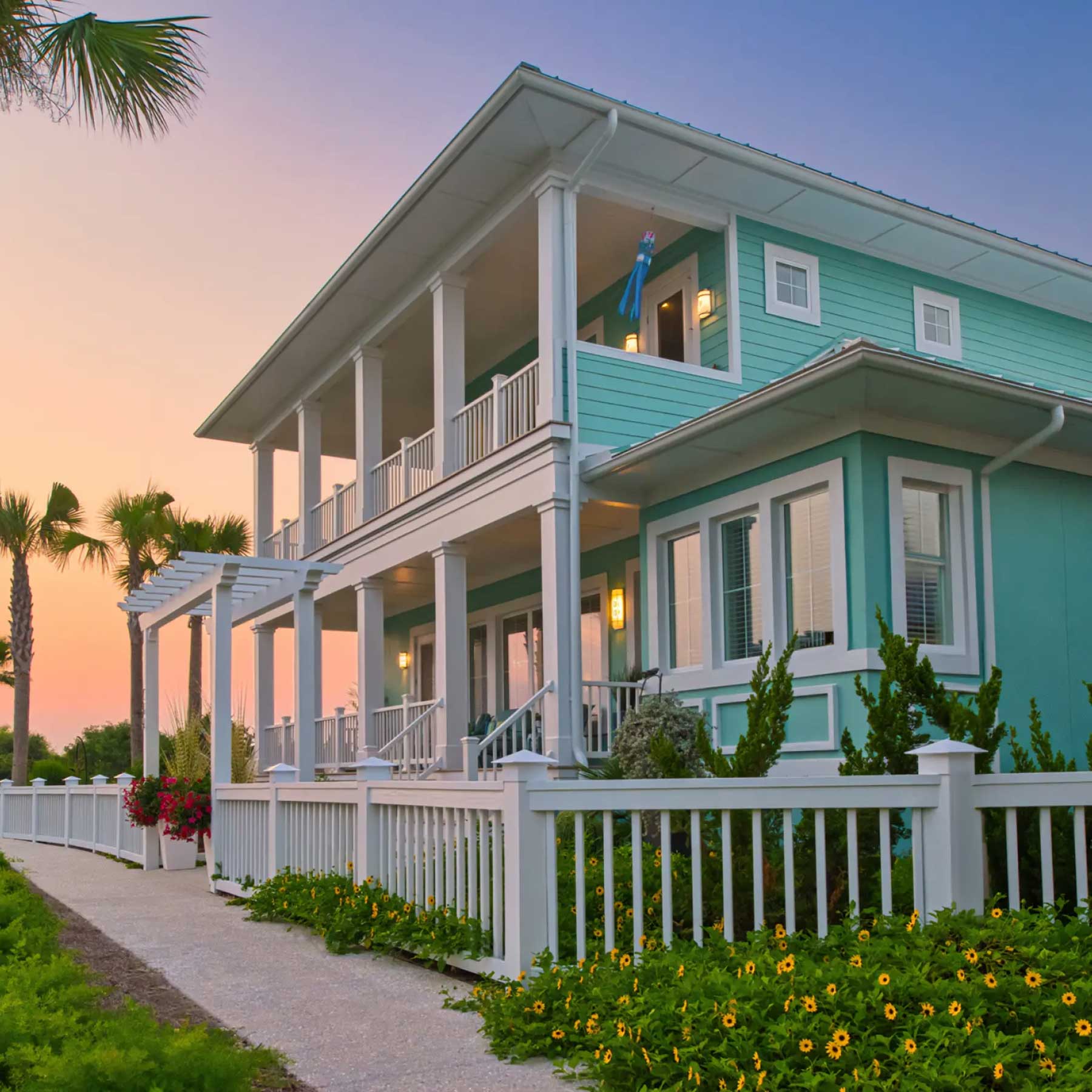
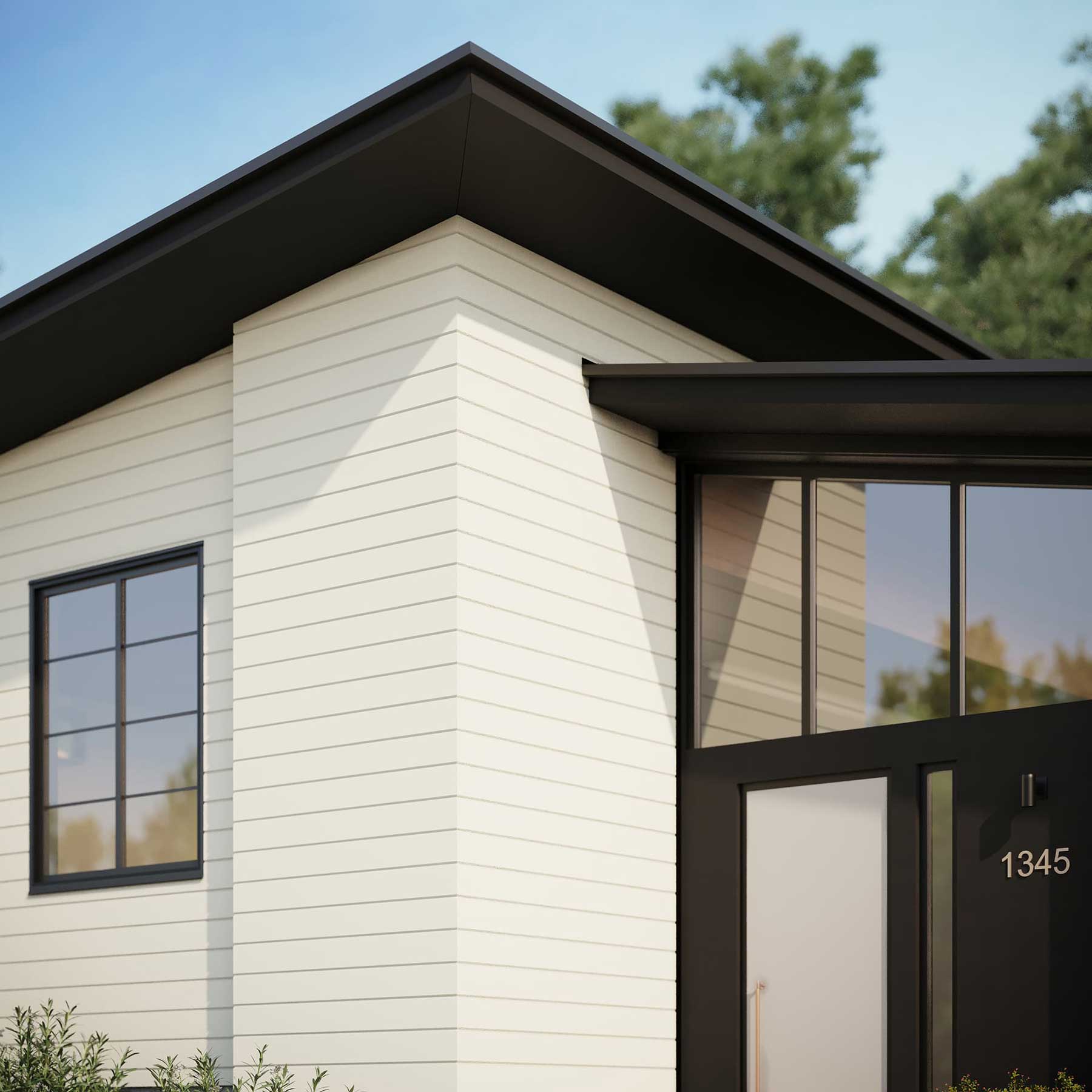
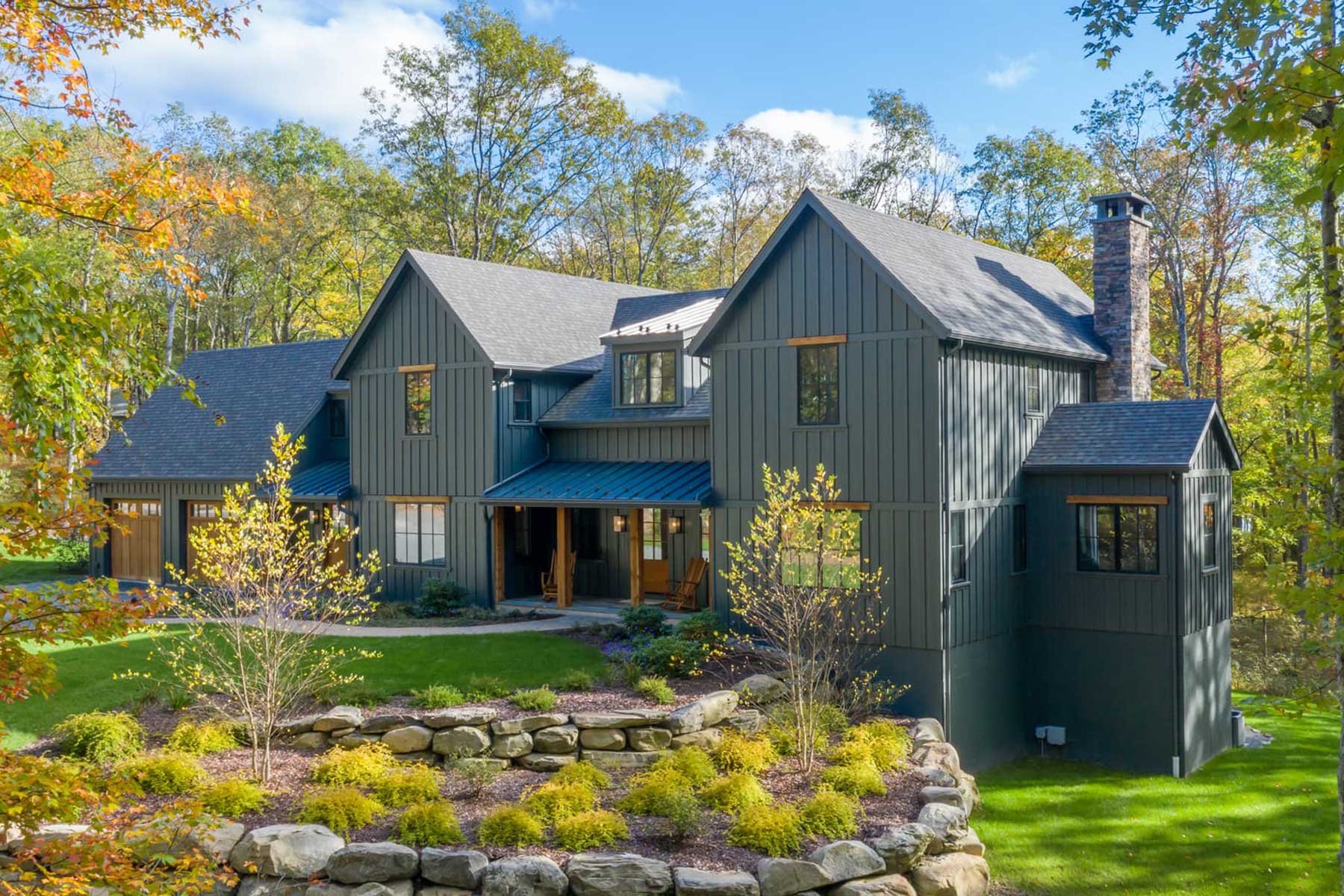
Best for: Residential and multifamily projects prioritizing durability, fire resistance, dimensional stability, and long-term lifecycle performance.
James Hardie
Chicago, Illinois
Performance considerations:
Fiber cement systems continue gaining traction in regions facing stricter fire-related requirements.
Allura
Houston, Texas
Performance considerations:
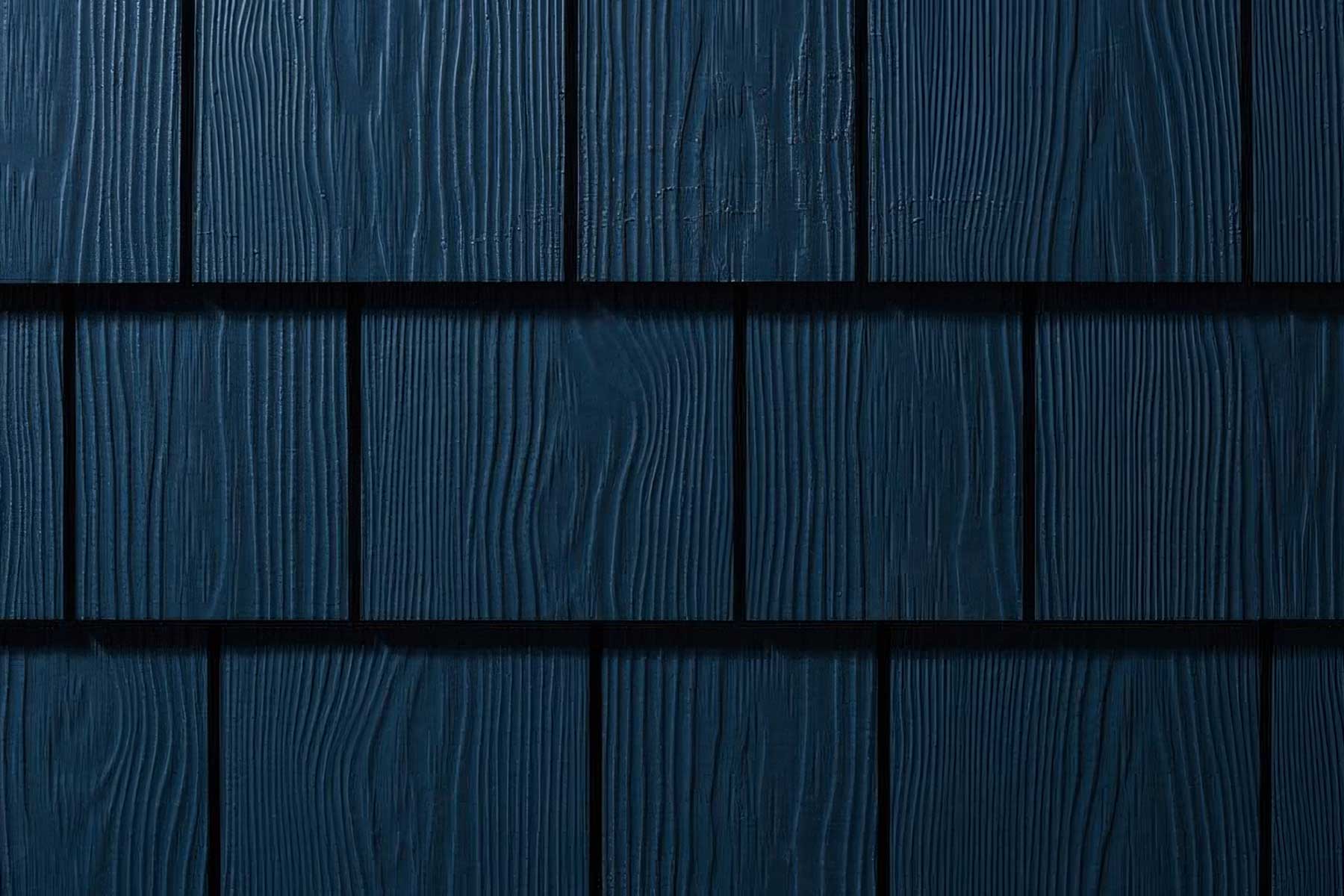
Fiber cement systems can help reduce repaint frequency compared to some traditional wood assemblies.
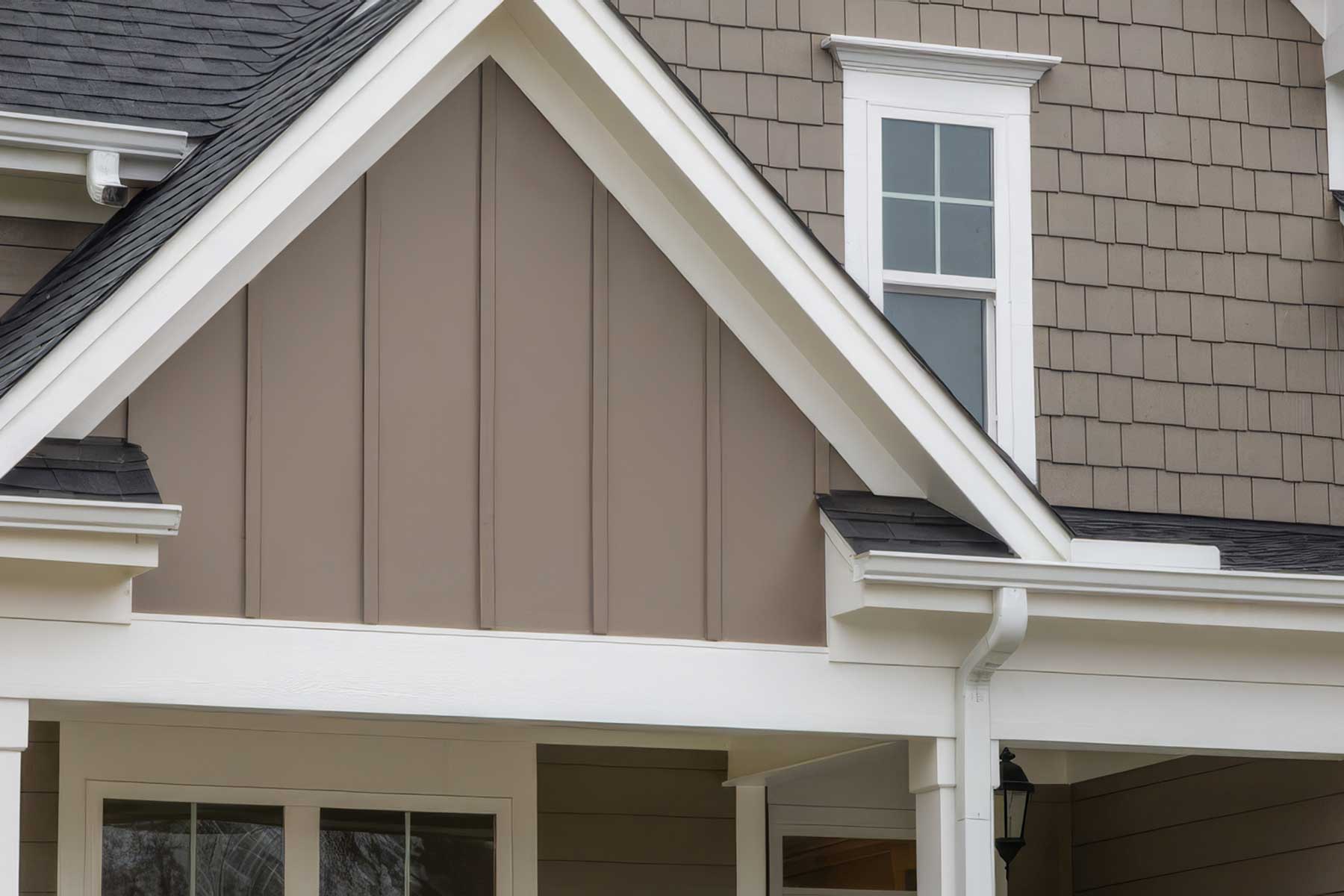
Nichiha
Johns Creek, Georgia
Performance considerations:
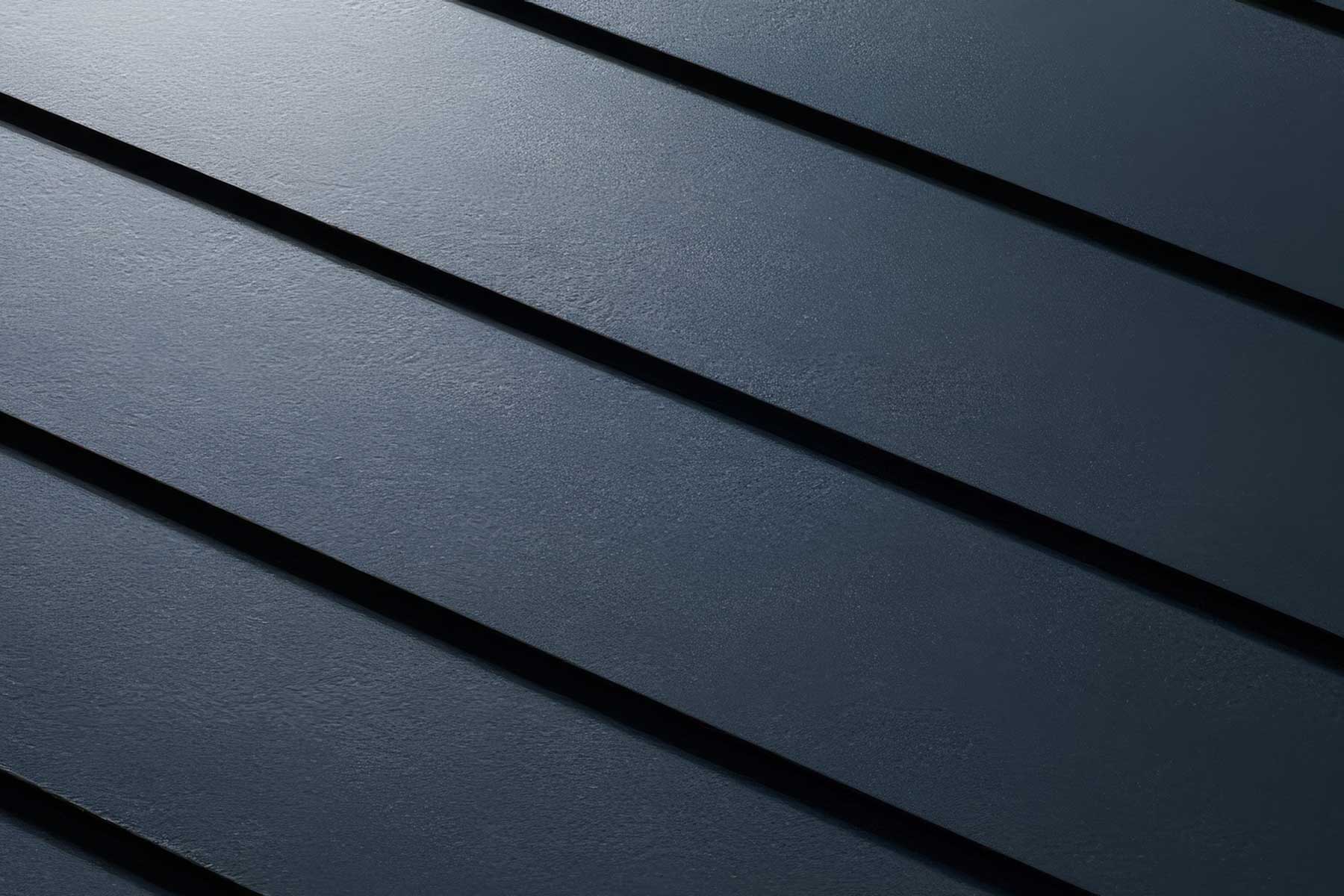
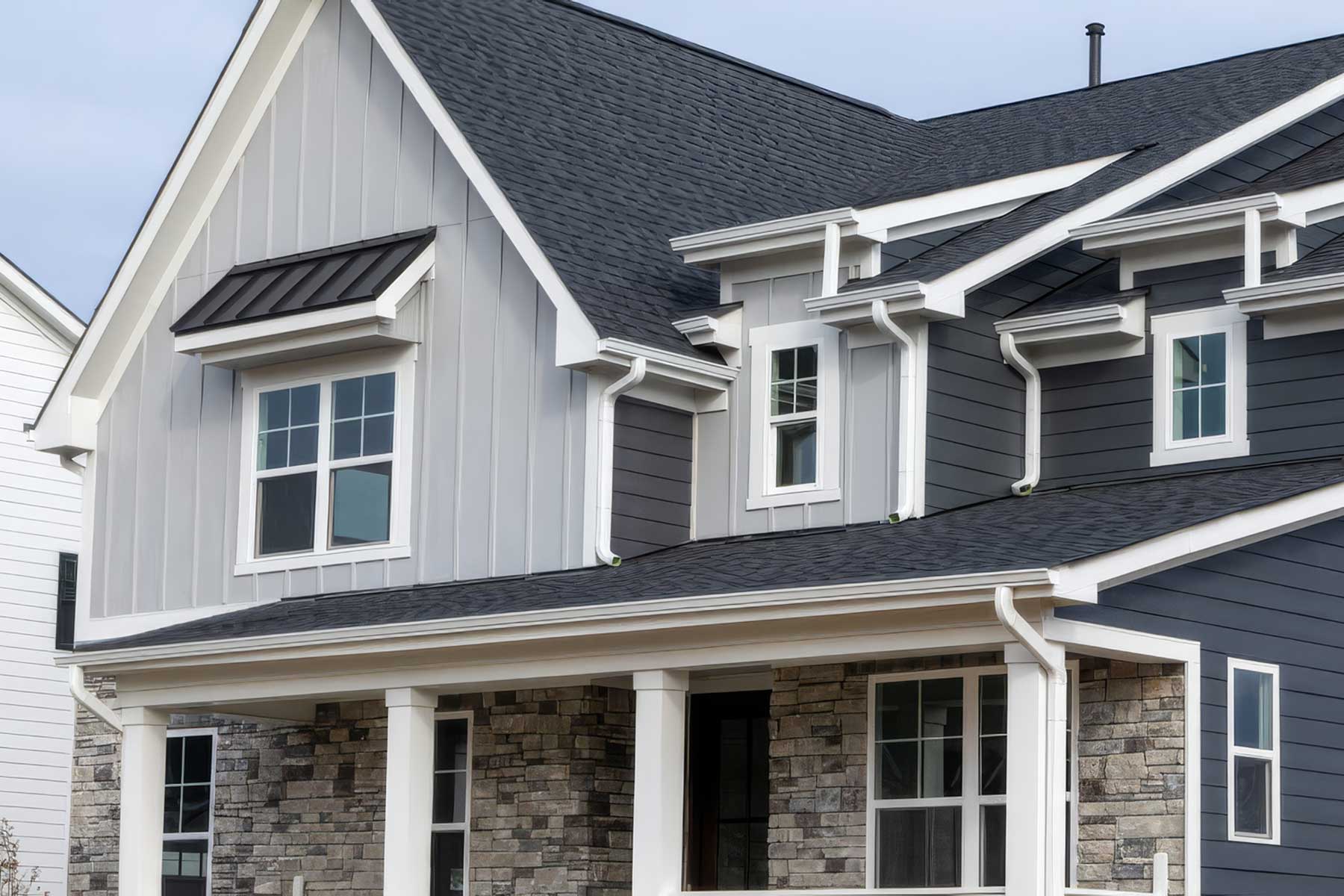
Larger-format panel systems can improve installation speed while reducing visible seams across broad wall surfaces.
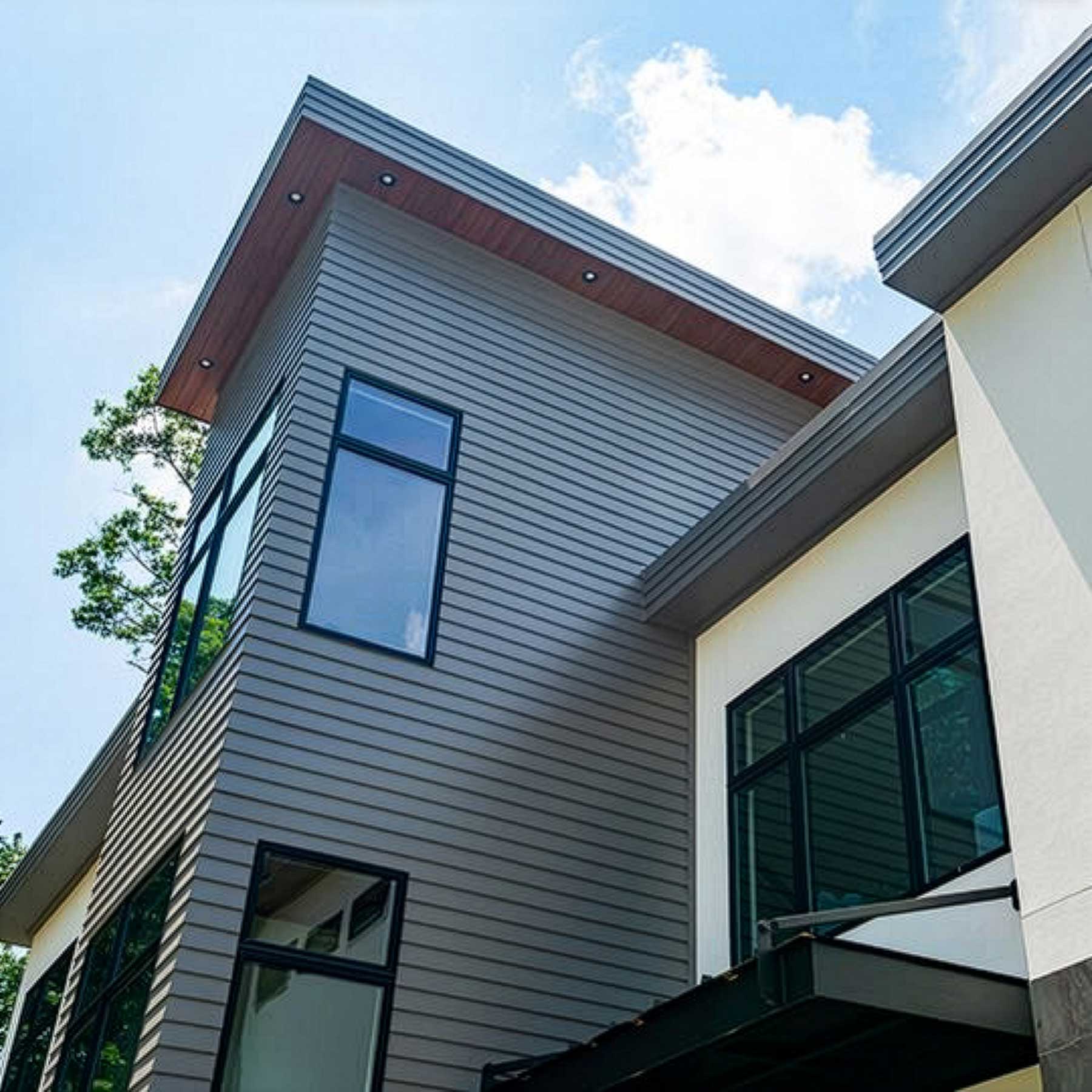
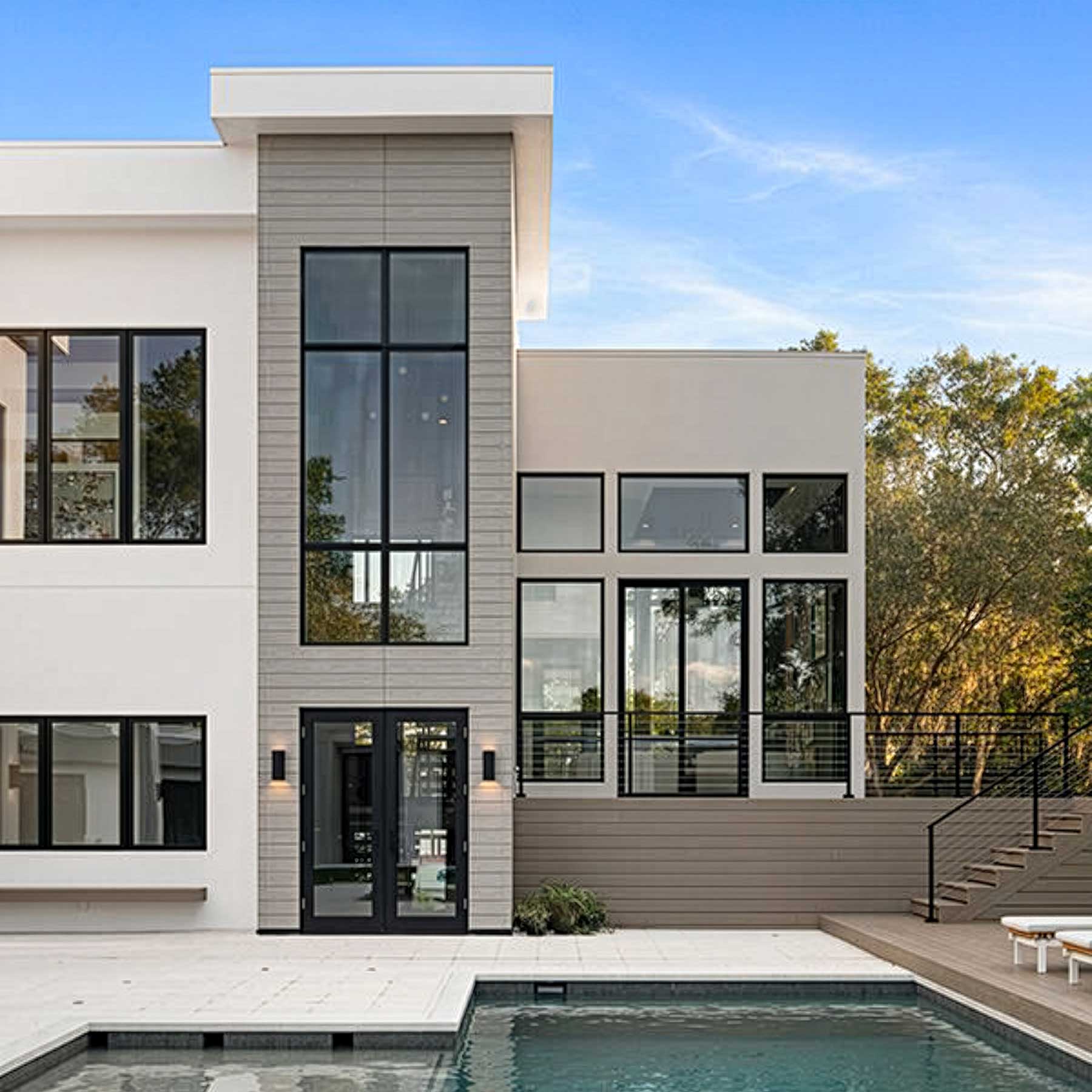
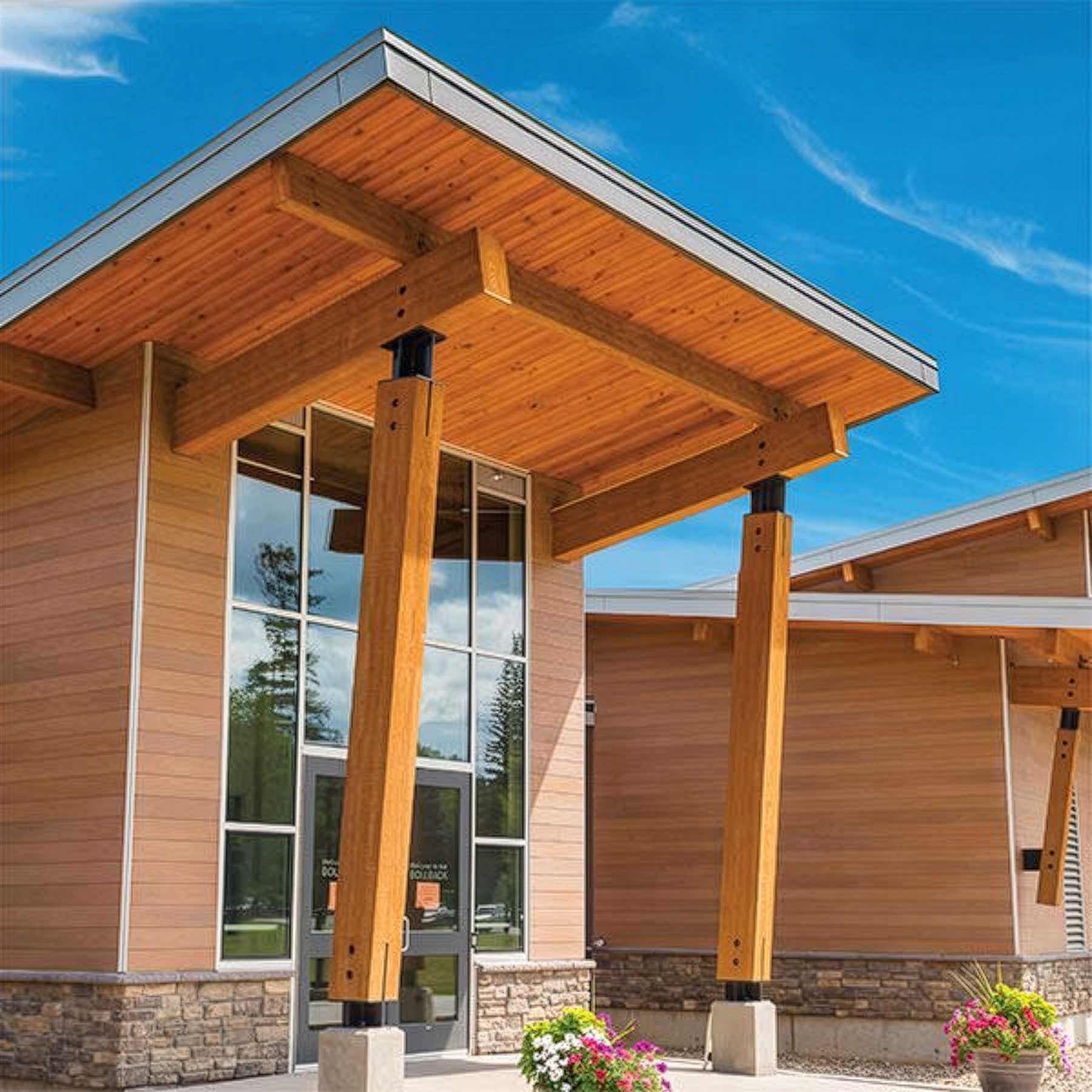
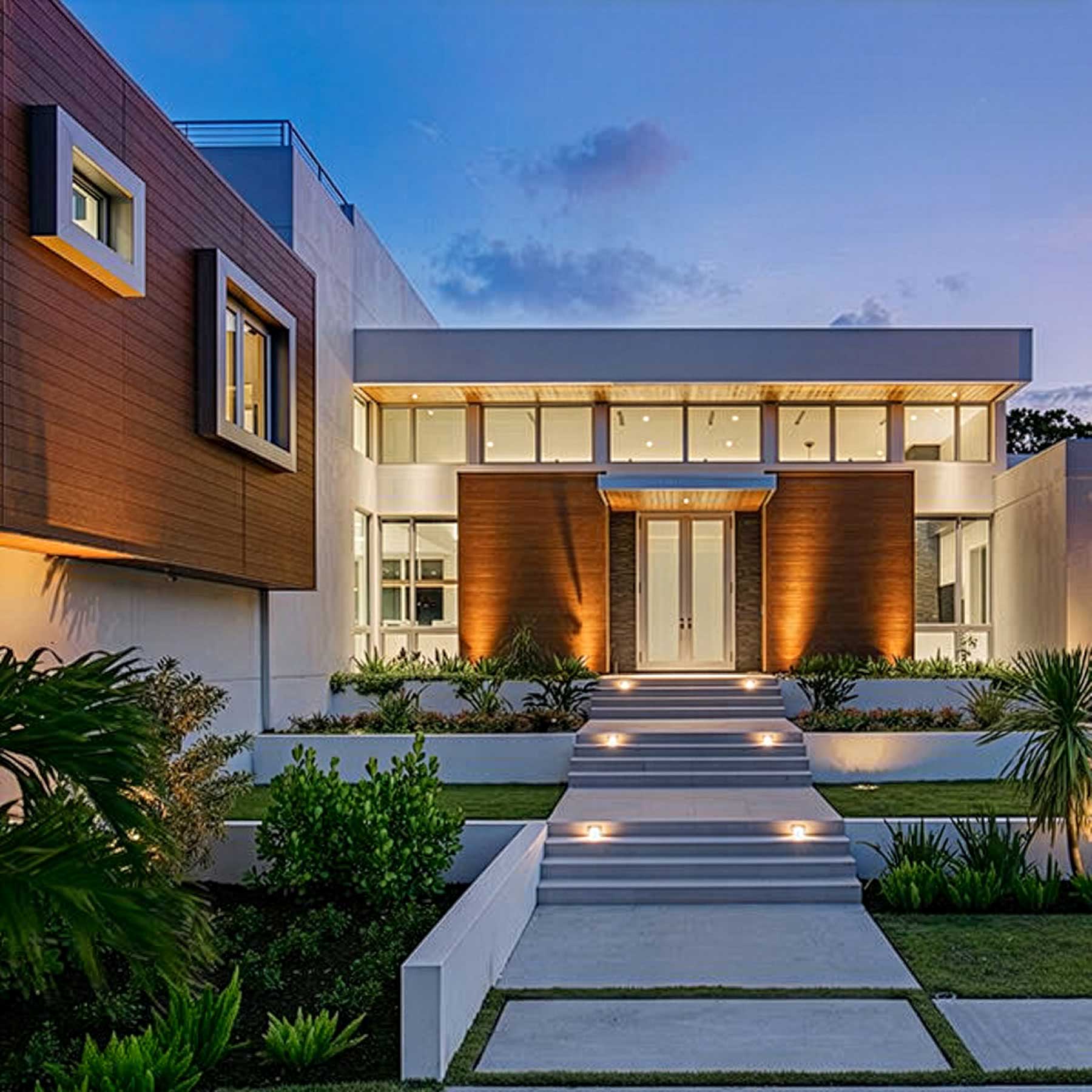
Additional High-Performance Systems Architects Are Watching
Terracotta Rainscreen Systems
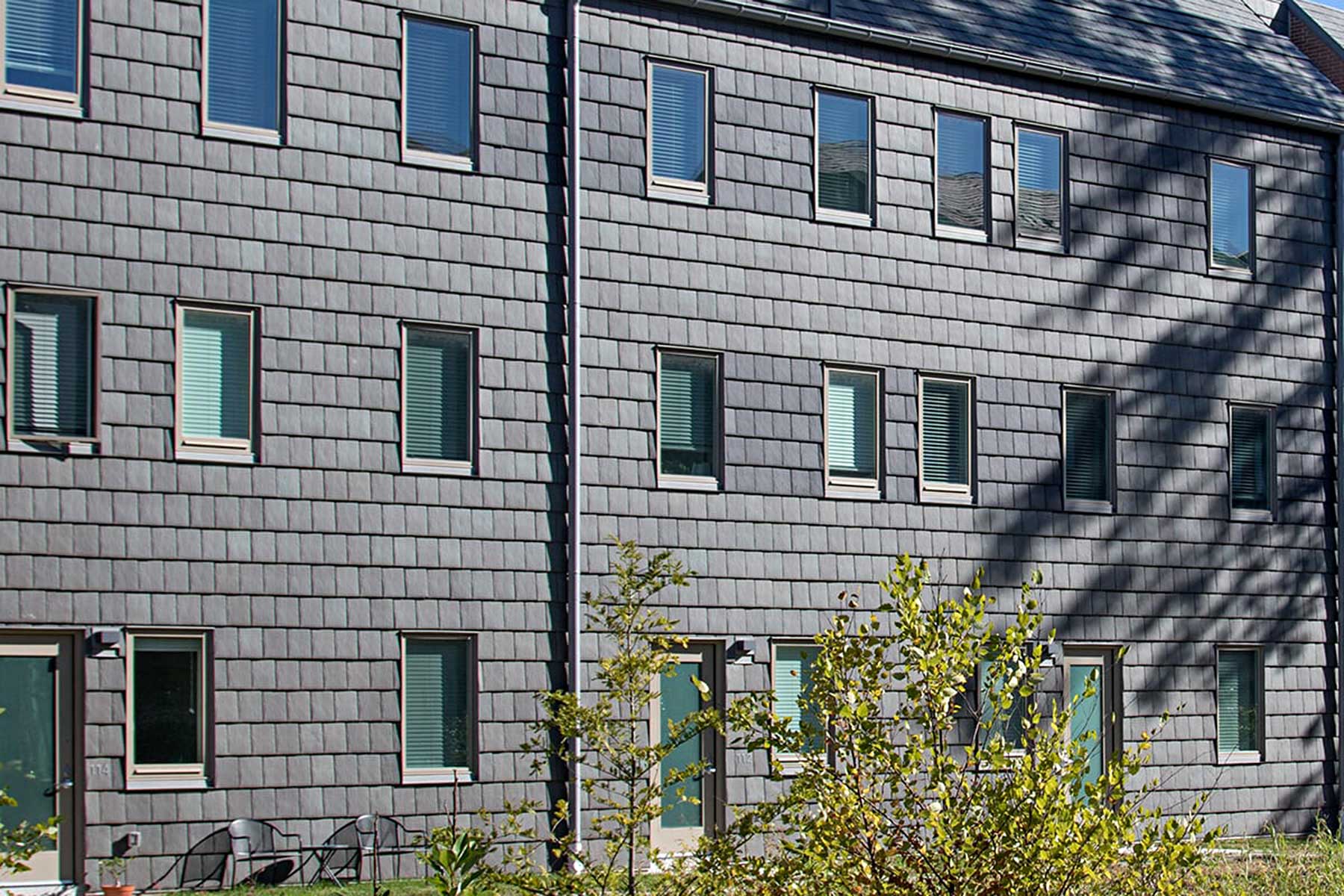
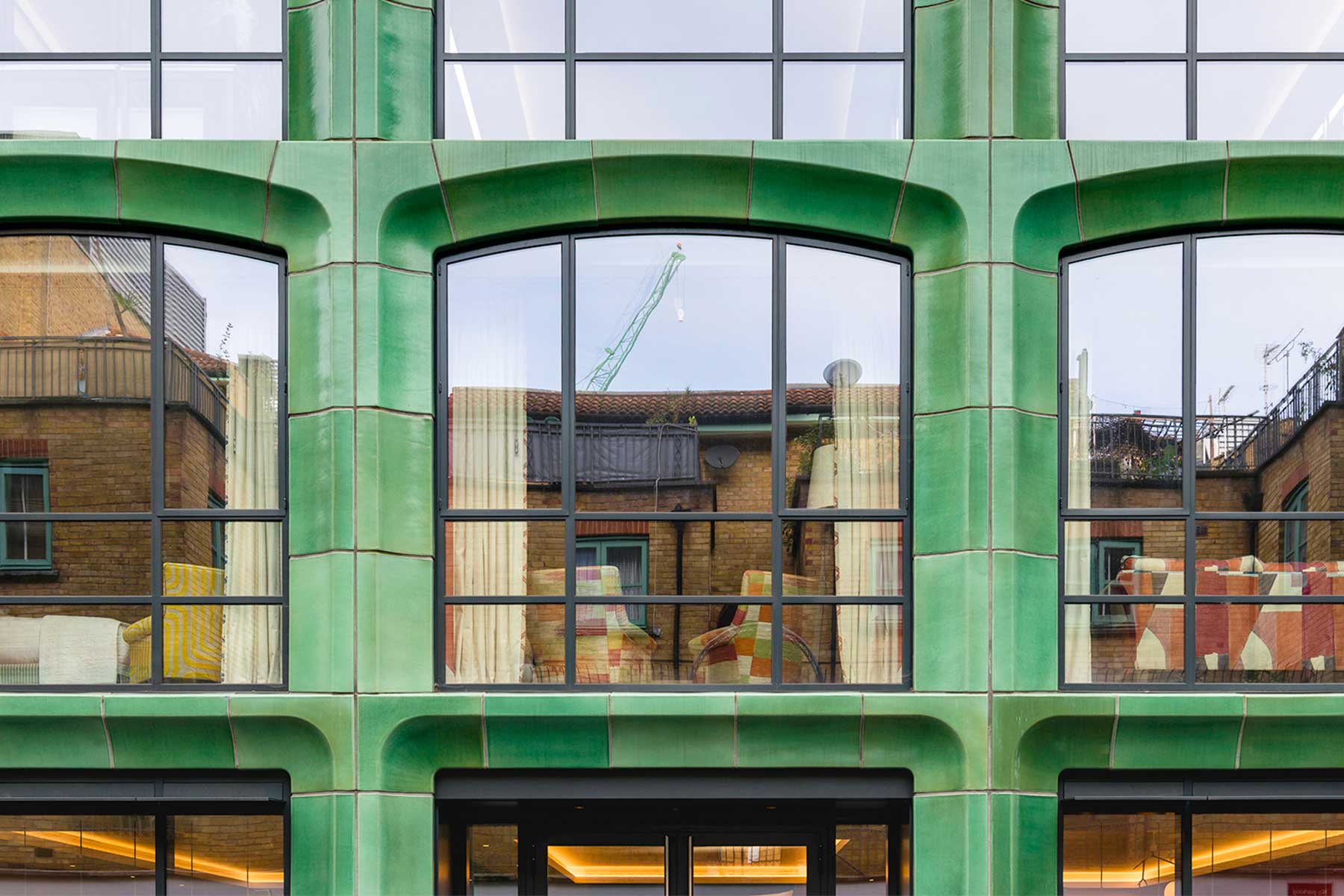
Manufacturers including Ludowici and Boston Valley Terra Cotta continue expanding terracotta rainscreen applications into hospitality-inspired residential and multifamily projects where durability, non-combustibility, and warm material expression are priorities.
Ludowici
Boston Valley Terra Cotta
Porcelain Panel Systems
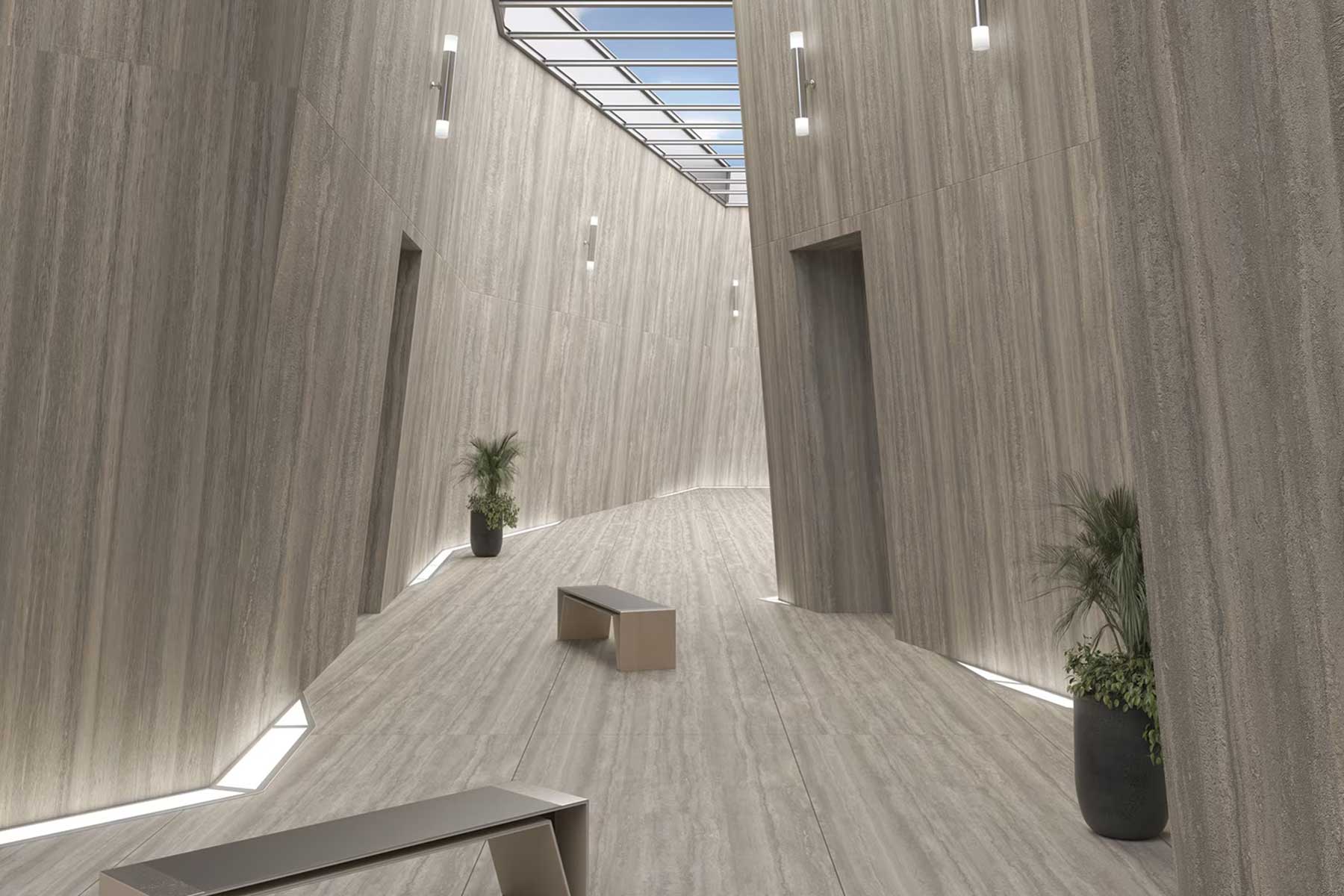
Large-format porcelain facade systems from manufacturers like Daltile are gaining attention for their low water absorption, UV stability, and minimal maintenance requirements across contemporary residential applications.
Daltile
High-Pressure Laminate (HPL) Systems
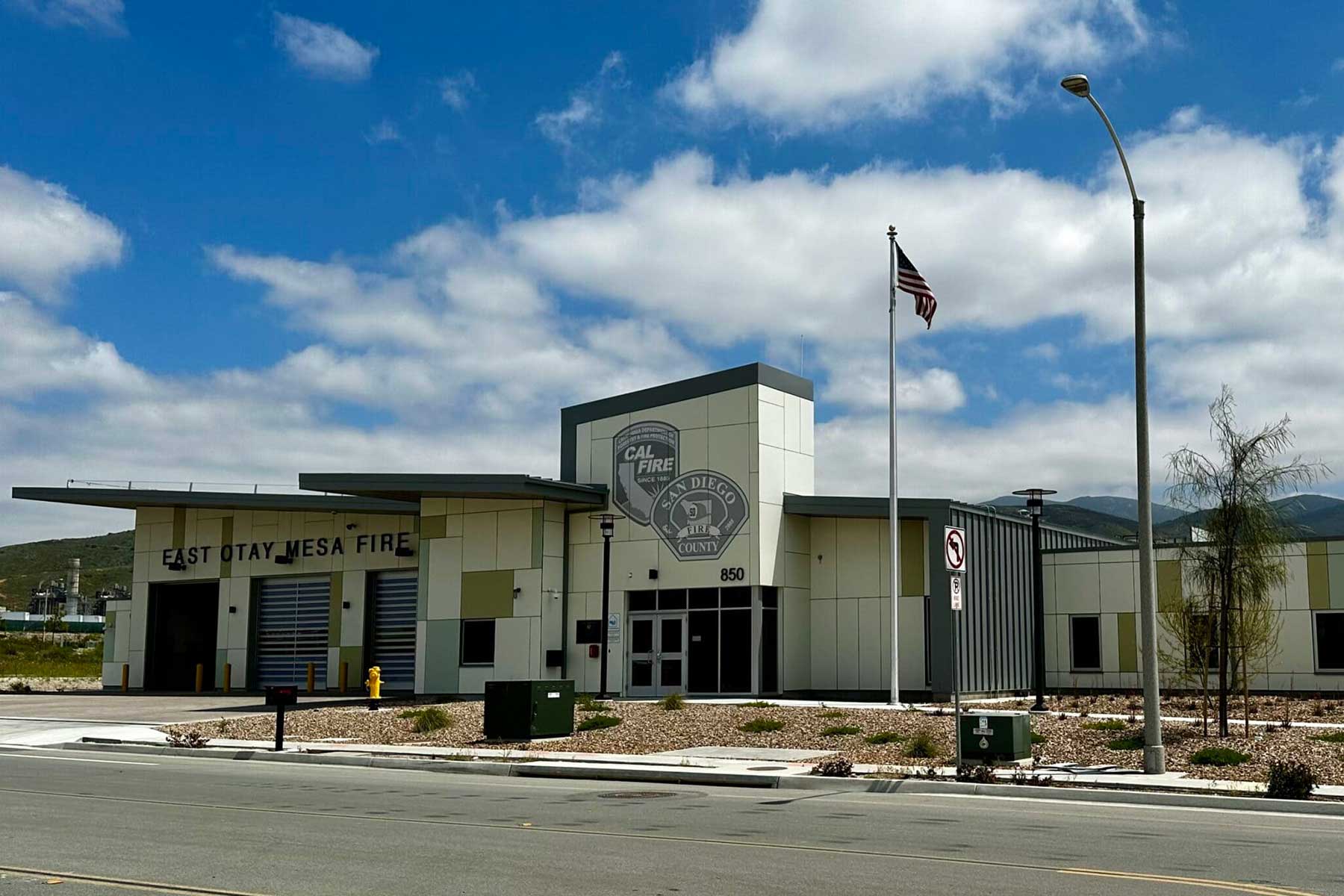
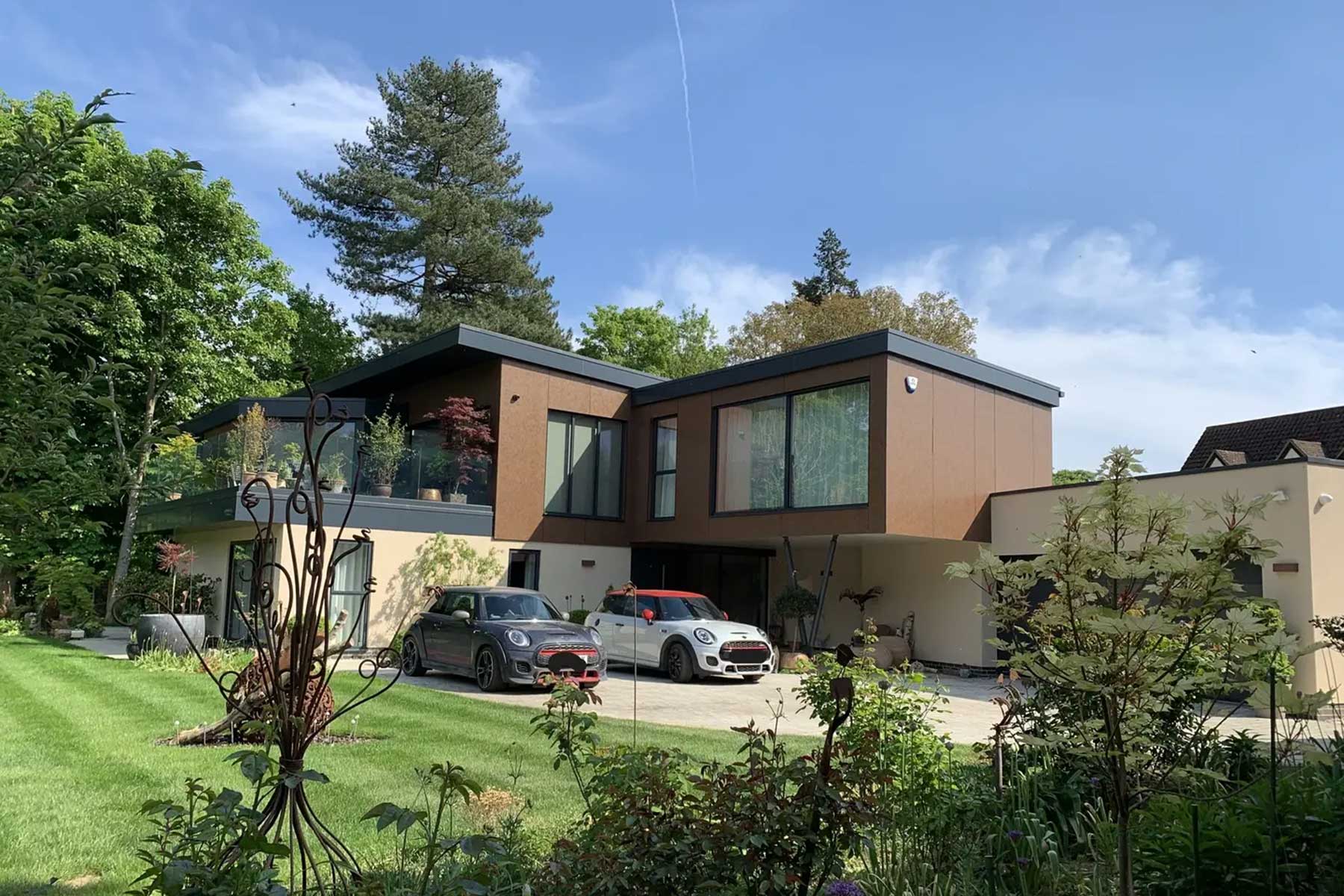
Exterior-grade HPL panel systems continue appearing in select residential and multifamily projects where designers want highly controlled finishes, panel consistency, and modern facade detailing within ventilated wall assemblies.
Fundermax
Trespa
Matching Cladding Systems to Project Priorities
Architects, builders, and designers are increasingly evaluating cladding based on how well it supports the full performance goals of the project — from fire resistance and moisture management to installation sequencing, maintenance expectations, and long-term durability.
As residential construction continues adapting to changing environmental conditions and labor realities, exterior cladding decisions will increasingly function as system decisions rather than finish selections alone.
Become a Built for Home member.
It’s free and the best way to discover manufacturers with unique products that help you confidently deliver exceptional projects.
"*" indicates required fields