Residential Acoustic Design: Products and Strategies Beyond Insulation

Jul 27, 2026 | Indoor, Building Materials, Magazine

Open floor plans, hard surfaces, and evolving lifestyles are making residential acoustics a more important part of home design. Learn how sound isolation and sound absorption can work together — and discover nine manufacturers helping architects, builders, and designers create quieter, more comfortable homes.
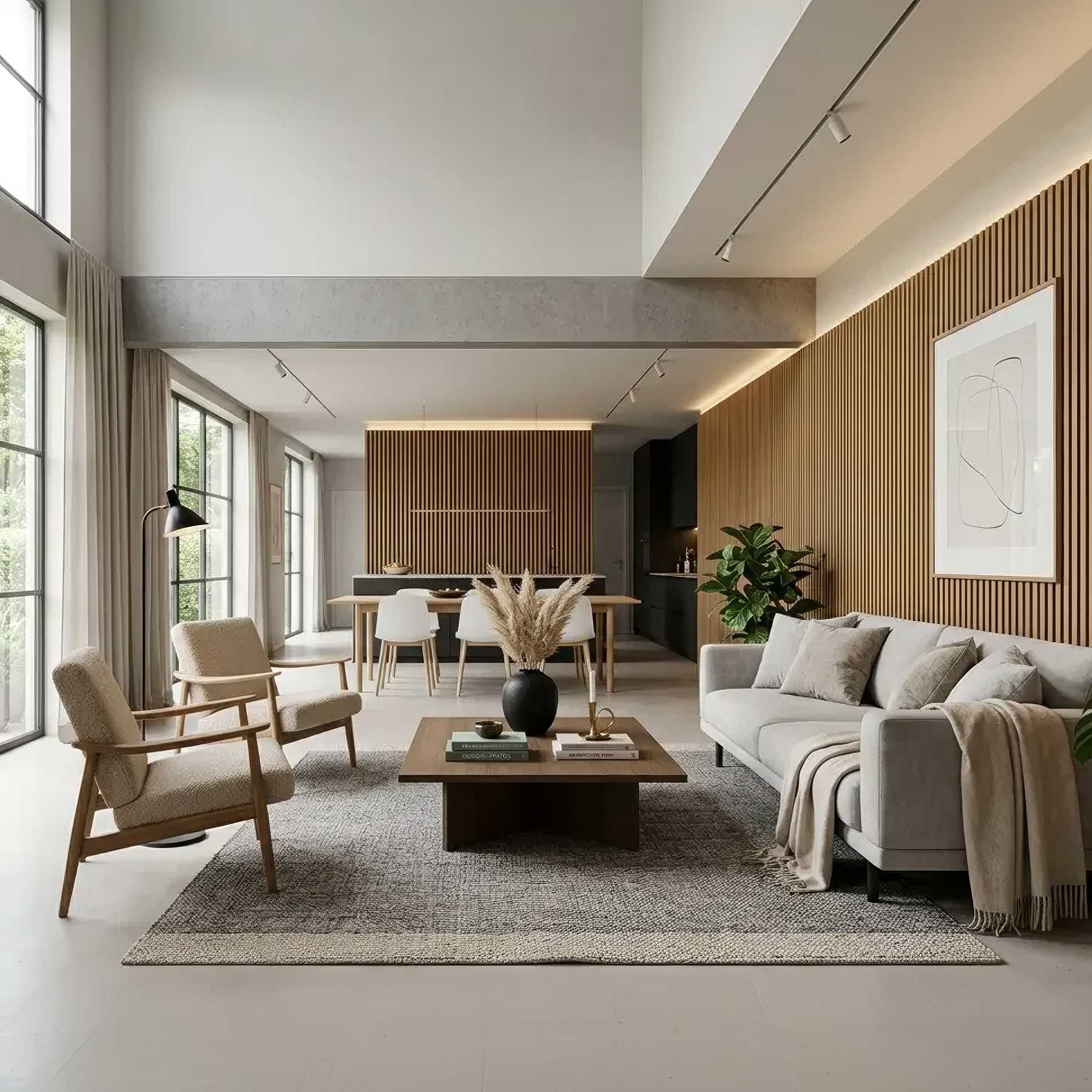
Modern home with wood slats used for residential acoustic design

Quick Links

Table Of Content

The living spaces in today’s homes continue to become larger and more open, creating new opportunities—and new design considerations—for residential professionals.

Architects balance structure, daylight, and sightlines. Builders coordinate framing, mechanical systems, and installation sequencing. Designers shape how spaces function, flow, and feel. Increasingly, all three are also thinking about how those spaces sound.

While open floor plans have made homes feel larger and more connected, they’ve also made them louder. Hard surface flooring, expansive glass, taller ceilings, dedicated home offices, and multigenerational living all contribute to echo, reduced speech privacy, and unwanted noise.

The good news is that creating a quieter home rarely depends on a single breakthrough product. More often, it’s the result of thoughtful decisions made throughout design, specification, and construction.

Kirei Echoline weaves acoustic control and visual impact together in Braid Panels
  • Save

Two Ways to Make a Home Quieter

Residential acoustics generally fall into two categories: sound isolation and sound absorption.

The growing role of residential architects, builders, and designers is knowing when—and how—to use both approaches to create homes that are quieter, more comfortable, and better performing.

  • Save

Sound Isolation

Sound isolation keeps noise from traveling between rooms — or from outdoors to indoors. This includes wall assemblies, doors, windows, and glazing systems.

  • Save

Sound Absorption

Sound absorption improves how sound behaves within a room by reducing echo and reverberation. Ceiling treatments, acoustic panels, wood slat systems, and other finish materials all play a role.

Where Acoustic Decisions Matter Most

Some acoustic decisions happen before framing. Others can wait until the finish stage — or even years after the homeowner moves in. For architects, room adjacencies, glazing, and door locations establish the foundation for acoustic comfort. Builders influence performance through wall assemblies, drywall selection, and installation details. Designers increasingly have access to finish materials that improve acoustics without making a space feel like a commercial office or recording studio. The result is a growing number of residential products that combine performance with aesthetics.

Manufacturers Advancing Residential Acoustic Design

The following manufacturers represent different approaches to improving residential acoustic comfort. Together, they demonstrate that quieter homes are achieved through coordinated design decisions across the entire building—not a single product category.

Controlling Sound Transfer

QuietRock integrates sound-damping technology directly into drywall, helping reduce airborne noise between bedrooms, home offices, and shared living spaces using familiar installation practices.
Featured Manufacturer

QuietRock

Subsidiary of PABCO

Rancho Cordova, California

Acoustiblok manufactures sound isolation membranes and building assembly products that help limit sound transmission through walls, floors, and ceilings, making them well suited for both new construction and remodeling.
Featured Manufacturer

Acoustiblok

Tampa, Florida
TruStile demonstrates that interior doors can play an important role in acoustic privacy. Its sound-control door systems combine solid-core construction with properly designed assemblies to improve privacy without compromising design.
Featured Manufacturer

TruStile

Subsidiary of Marvin

Denver, Colorado
  • Save
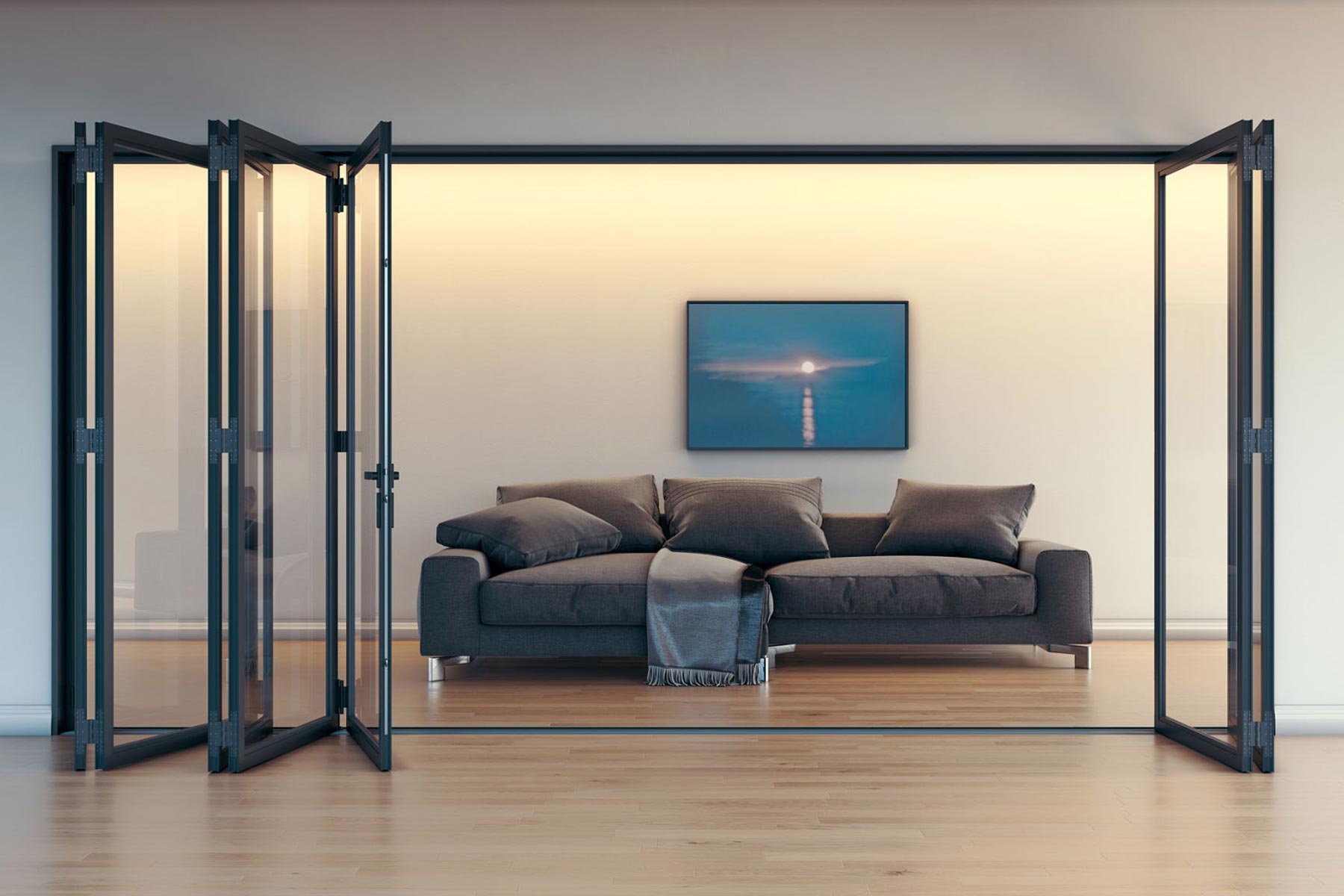
NanaWall Systems brings acoustic performance to operable glass walls. Acoustically rated systems allow architects to preserve openness and daylight while reducing exterior noise and improving occupant comfort.
Featured Manufacturer

NanaWall Systems

Corte Madera, California
Indow takes a different approach by manufacturing custom interior window inserts that improve acoustic performance in existing homes without replacing the original windows — an attractive option for remodeling and historic properties.
Featured Manufacturer

Indow

Portland, Oregon

Reducing Echo and Reverberation

Acoustics America offers residential-friendly wall and ceiling products that help reduce echo in open living spaces, home offices, and other everyday environments.
Featured Manufacturer

Acoustics America

Henrico, Virginia
  • Save
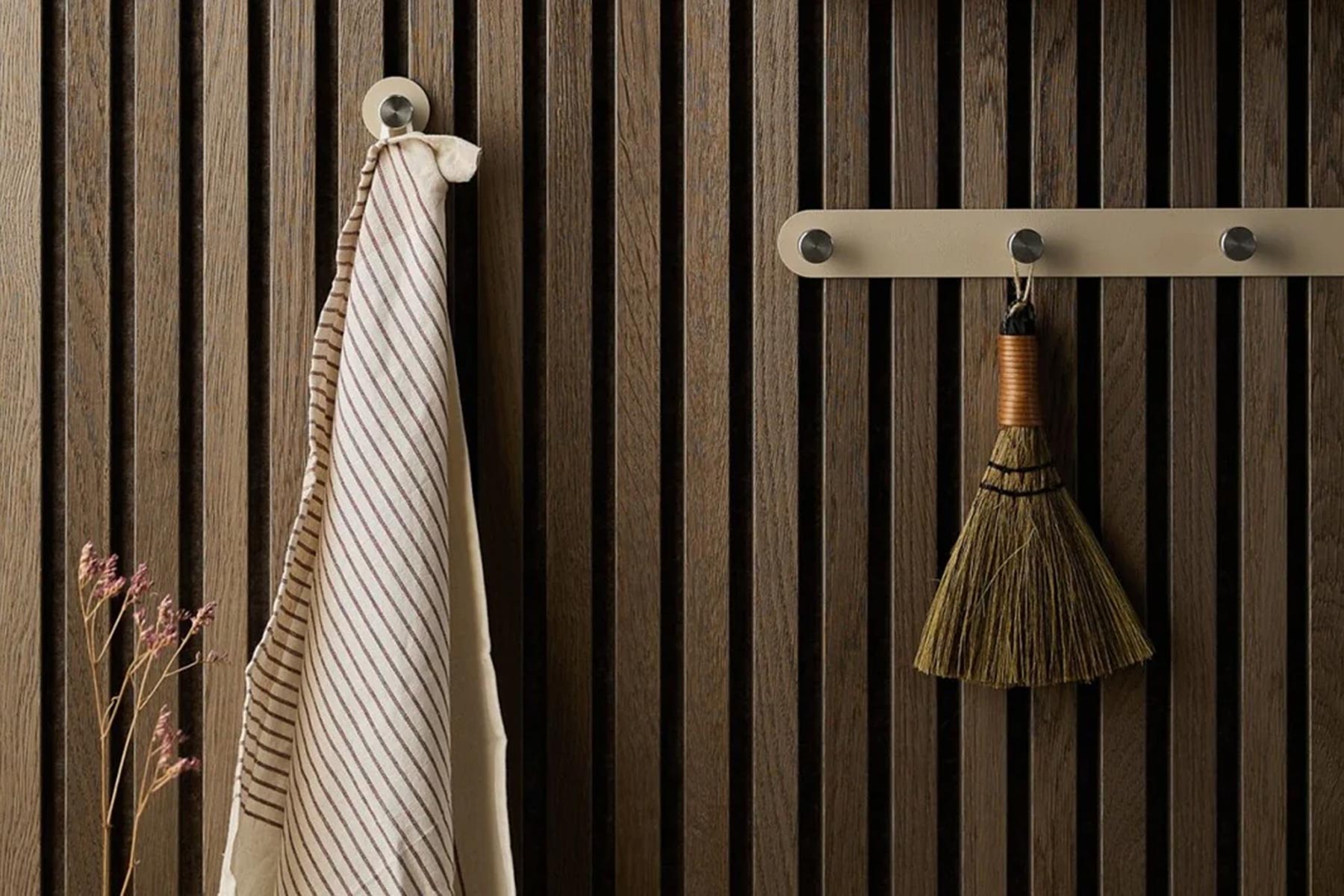
WoodUpp has helped popularize acoustic wood slat panels, allowing designers to introduce warmth, texture, and sound absorption through a finish material that feels at home in modern residential interiors.
Featured Manufacturer

WoodUpp

Mount Airy, North Carolina
Primacoustic provides ceiling clouds, baffles, and wall treatments that demonstrate how ceilings can become an active part of a home’s acoustic strategy rather than simply enclosing a room.
Featured Manufacturer

Primacoustic

Division of Radial Engineering

Port Coquitlam, British Columbia
Kirei produces architectural PET acoustic systems that blend sustainability, customization, and contemporary design. While often specified in commercial projects, its products illustrate how decorative acoustic surfaces are increasingly influencing high-end residential design.
Featured Manufacturer

Kirei

A Carnegie Company

San Diego, California

Better Acoustics Start with Collective Decisions

The quietest homes rely on dozens of coordinated decisions — from wall assemblies and glazing to doors, ceilings, and finish materials. As homeowners place greater value on wellness, privacy, and comfort, and as homes continue to be built closer together, residential acoustics are becoming another measure of thoughtful design.

For architects, builders, and designers, that creates new opportunities to work together in delivering homes that don’t just look beautiful — they sound better, too.

Is there a topic you’d like us to cover next?

Let us know what you’re looking for in your next design projects, and we’ll source more great products not found in mainstream stores. For more uniquely crafted, natural interior finishes that enhance wellbeing, comfort, and style, check out our online Product Guide or join Built for Home as a member today.

Become a Built for Home member.

It’s free and the best way to discover manufacturers with unique products that help you confidently deliver exceptional projects.

"*" indicates required fields

This field is for validation purposes and should be left unchanged.
First Name
  • Save
Share via
Copy link