Designing Homes That Use Less Energy: Products for the Envelope, Power, and Energy Management

Oct 26, 2026 | Building Materials, Doors & Windows, LEED & Green, Magazine, Tech & Smart Home

Find products that help architects and builders reduce energy demand, generate and store power, and manage consumption in new homes and renovations.
Modern home with solar panels and EV

Quick Links

Table Of Content

New construction, major renovations, and targeted upgrades offer different opportunities to improve a home’s energy performance. The project’s scope determines which products fit — and when to introduce them.

Four stages help organize those decisions:

  • Reduce
    Limit heating and cooling demand through the envelope. Framing and envelope connections are easiest to address during new construction or major renovation; window replacement, insulation, and air sealing can support targeted improvements. Jump to Section
  • Generate
    Produce electricity on-site, coordinating solar with a new-home design or evaluating an existing roof’s condition and exposure. Jump to Section
  • Store
    Retain energy for later use or outage support, either within a new system or as a compatible addition. Jump to Section
  • Manage
    Track consumption and coordinate electrical loads in new and existing homes. Jump to Section

Generation and storage can reduce grid purchases without reducing total consumption. Considering all four stages helps teams strengthen comfort, performance, and resilience at the scale each project allows.

Reduce

Build Performance into the Envelope

Insulation, framing, and glazing work collectively. Their connections deserve as much attention as individual ratings — particularly where windows interrupt continuous insulation and air barriers. JLC’s window-detailing guidance explains why those transitions matter.
  • Save
  • Save
  • Save
  • Save

High-performance windows, insulating window bucks, and thermally broken framing work together to limit heat transfer through the envelope, reducing heating and cooling demand while supporting year-round comfort.

  • Save
  • Save

Reduce — Featured Manufacturers

Featured Manufacturer

Alpen High Performance Products

Location: Louisville, Colorado

Products: Zenith fiberglass windows and doors.
Applications: High-performance new homes and window replacement.

Alpen’s Zenith improve thermal performance, daylight, and views with fiberglass windows that pair insulating frames with thin-glass glazing options.

For new homes and window replacement projects, the value extends to occupant comfort. Choose each window configuration by considering its whole-window insulating performance and solar heat gain, along with the direction it faces and the shading it receives. View product performance data

Specification Highlights:

  • Evaluate whole-window U-factor for the selected configuration.
  • Coordinate solar heat gain with climate, orientation, and shading.
Featured Manufacturer

BRINC Building Products / ThermalBuck

Location: New Bethlehem, Pennsylvania

Products: ThermalBuck insulating window and door bucks.
Applications: Walls with exterior insulation and rainscreens.

ThermalBuck addresses a practical challenge: mounting nail-flange windows when exterior insulation moves the cladding outward. Its insulating profile extends the mounting plane while limiting heat transfer around the opening.

 
Builders can coordinate buck depth with insulation and rainscreen thickness, then integrate flashing, attachment, and approved sealants into the opening detail.

Specification Highlights:

  • Match buck depth to insulation and rainscreen thickness.
  • Coordinate attachment, flashing, and approved sealants.
Featured Manufacturer

Thermal Studs / Tstud

Location: Duluth, Minnesota

Products: Un-Insulated Tstud and preinsulated R19 Tstud.
Applications: Thermally improved residential framing.

Tstud addresses the conductive path through conventional framing. The Un-Insulated version separates wood members while allowing builders to select insulation suited to the wall design.

The Un-Insulated Tstud lets crews use their selected cavity insulation, while R19 Tstud provides a preinsulated alternative. Both bring framing into the energy conversation during new construction or substantial wall reconstruction. View Un-Insulated Tstud

Specification Highlights:

  • Un-Insulated Tstud accommodates different cavity insulation materials.
  • Evaluate whole-wall performance, including headers, corners, and plates.

Generate

Coordinate Solar with the Architecture

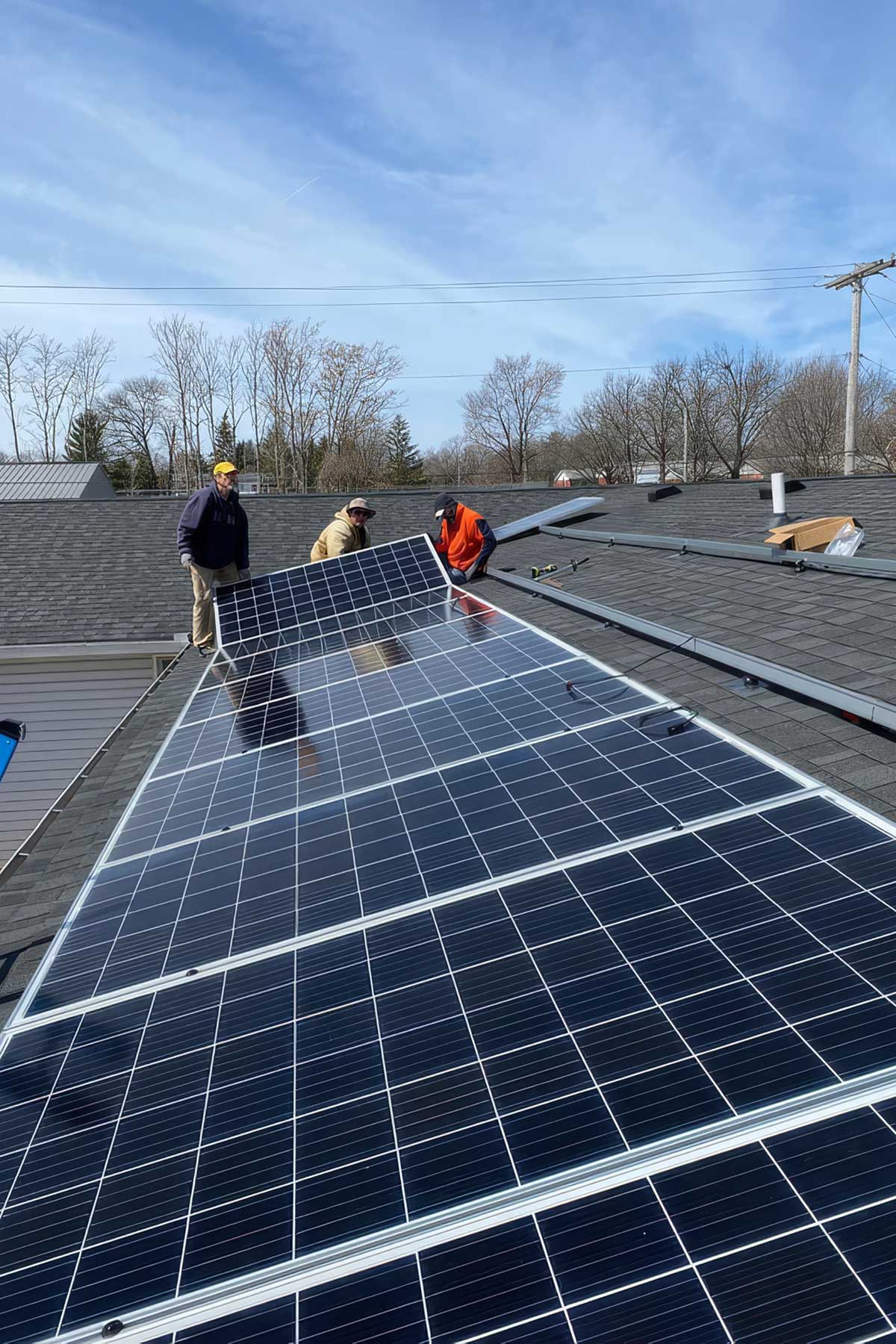
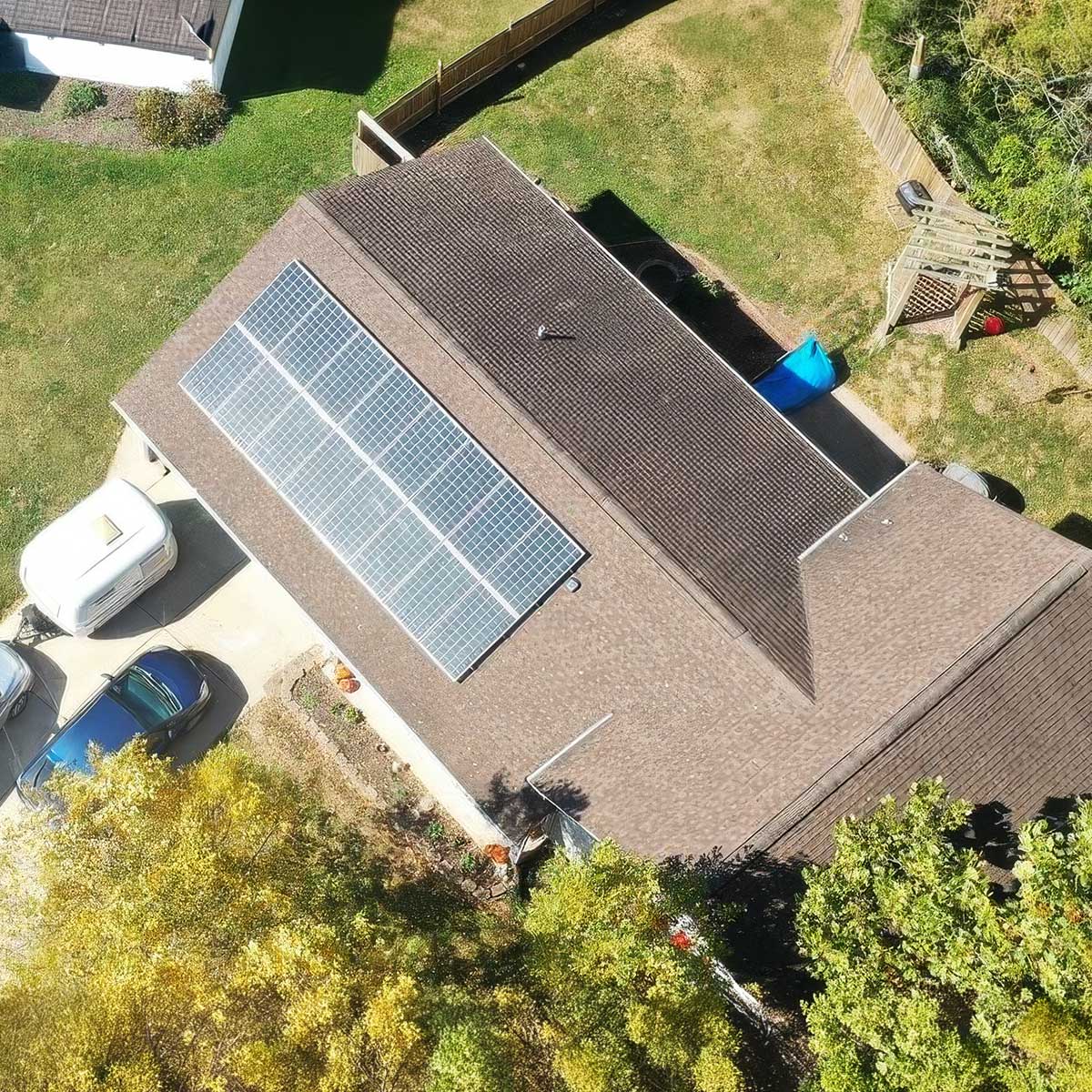
Projected electricity use, solar exposure, and available surface area should guide generation. Resolve roof layout, shading, wiring routes, and maintenance access while design choices remain flexible.
  • Save
  • Save
  • Save
  • Save

Rooftop panels and photovoltaic facades turn sun-exposed surfaces into sources of electricity, giving project teams options to coordinate energy generation with roof layout, exterior finishes, and architectural character.

  • Save
  • Save

Generate — Featured Manufacturers

Featured Manufacturer

Crossroads Solar

Location: South Bend, Indiana

Products: 325-series photovoltaic modules.
Applications: Residential rooftop solar arrays.

Crossroads Solar offers a conventional rooftop approach with a module designed specifically for residential installations. Its smaller 325-series format gives installers another option when fitting arrays around roof geometry and obstructions.

View Crossroads panels

Specification Highlights:

  • Black anodized frames.
  • Compare complete array layout and projected annual production.
Featured Manufacturer

Mitrex

Location: Toronto, Ontario

Products: Integrates architectural finishes and solar generation.
Applications: Coordinate exposure, cladding attachment, electrical design, and service access.

Mitrex expands generation beyond the roof by integrating photovoltaics into architectural facades. Its Braeburn residential retrofit demonstrates the approach at multifamily scale, combining exterior renewal with electricity generation.

Specification Highlights:

  • eFacade LITE photovoltaic cladding.
  • Multifamily facades and residential recladding projects.

Store

Define What Backup Must Deliver

Storage starts with the operating brief. Evening solar use, essential-circuit backup, and broader outage coverage require different capacities. Distinguish inverter output in kW from stored energy in kWh.
  • Save
  • Save
  • Save
  • Save
  • Save

Modular batteries and compatible inverters store electricity for later use and backup power, giving project teams options to match capacity, supported loads, and runtime to each home’s needs.

Store — Featured Manufacturers

Featured Manufacturer

Fortress Power

Location: Langhorne, Pennsylvania

Products: Avalon Energy Storage System.
Applications: Residential solar storage and backup power.

Fortress Power’s Avalon system combines a battery stack, inverter, and Smart Energy Panel for residential energy storage and backup. The integrated approach connects stored energy with decisions about which household loads remain powered.

Read about Avalon

Specification Highlights:

  • Configurable battery stack.
  • Load shedding helps preserve energy for priority equipment.
Featured Manufacturer

Humless

Location: Lindon, Utah

Products: Universal 6kW BESS.
Applications: Home backup and off-grid energy systems.

Humless pairs modular batteries with a hybrid inverter for residential grid-tied and off-grid applications. The approach makes intended loads and required runtime central selection decisions.

Specification Highlights:

  • Wall-mounted lithium iron phosphate battery modules.
  • Size storage around daily consumption and backup duration.

Manage

Connect Visibility with Control

Monitoring reveals operating patterns; controls can change how loads behave. Coordinating EV charging, HVAC, and cooking equipment becomes increasingly useful as homes electrify. Fine Homebuilding’s electrical-panel coverage explores that challenge.
  • Save
  • Save
  • Save
  • Save

Home energy monitors reveal consumption patterns, while managed EV charging adjusts to household demand—helping homeowners make informed energy decisions and coordinate growing electrical loads.

  • Save

Manage — Featured Manufacturers

Featured Manufacturer

Emporia Energy

Location: Littleton, Colorado

Products: Vue 3 monitor and Pro EV Charger.
Applications: Home monitoring and charging management.

Emporia Energy connects consumption monitoring with adjustable EV charging, helping teams accommodate a substantial flexible load.

Its Vue 3 monitor tracks electrical demand, while the Pro EV Charger’s PowerSmart feature adjusts charging within configured capacity limits as household use changes.
That makes it useful when adding EV charging to an existing home or coordinating electrical loads in new construction. With the appropriate sensors, circuit monitoring also gives homeowners visibility into where electricity is being used.

Specification Highlights:

  • Circuit monitoring requires the appropriate sensors.
  • PowerSmart adjusts charging within configured capacity limits.
Featured Manufacturer

Eyedro

Location: Waterloo, Ontario

Products: Home Energy Monitor.
Applications: Residential consumption and solar monitoring.

Eyedro’s Home Energy Monitor provides focused visibility into residential electricity use, helping homeowners understand operating patterns after move-in or renovation. With the appropriate configuration, it can also track solar generation.

That feedback gives builders and homeowners a practical starting point for investigating unexpected consumption or adjusting schedules. Monitoring supports informed decisions; the energy savings come from the actions that follow.

Specification Highlights:

  • Designed for North American 120/240V residential systems.
  • Solar monitoring requires the appropriate configuration.

Design for Changing Energy Demands, and Make the Value Clear

New technologies add electrical loads as utility pricing, grid conditions, and buyer expectations evolve. At a fixed selling price, every energy feature must earn its place in the budget.
Spend here, save there. Better insulation, glazing, and air sealing reduce heating and cooling loads, potentially allowing smaller HVAC equipment to offset some envelope costs. Recalculate loads before selecting equipment to capture that opportunity. PNNL’s guide explains the approach.
Make the benefits specific. Show buyers steadier comfort, projected utility savings, defined backup capability, and room for future electrical needs. Compare upfront and operating costs, stating assumptions about occupancy, rates, and system use.
Tell the story early. Bring those benefits into sales materials and model-home conversations. Manufacturing partners can help, supported by resources such as Fásnua, which helps home product manufacturers communicate product value.
Coordinated energy decisions help homes adapt and give buyers clear reasons to invest.

Become a Built for Home member.

It’s free and the best way to discover manufacturers with unique products that help you confidently deliver exceptional projects.

"*" indicates required fields

This field is for validation purposes and should be left unchanged.
First Name
  • Save
Share via
Copy link